
.svg)




Biosimilars
Bring your biosimilar to market faster by tapping into unparalleled data, technology, advanced analytics, and scientific expertise.













Spending on biologic medicines in the United States has grown rapidly, reaching $262 billion in 2024 and representing more than half of total medicine spending. As high-cost biologics lose patent protection, biosimilars offer an opportunity to enhance competition and generate savings while maintaining clinical outcomes. However, biosimilars reimbursed under the medical benefit operate within a complex and evolving reimbursement environment that may threaten their long-term viability. Without policy changes, these pressures could dampen future biosimilar investment, prompt market exits, reduce system-wide savings, and limit treatment options for patients and providers.
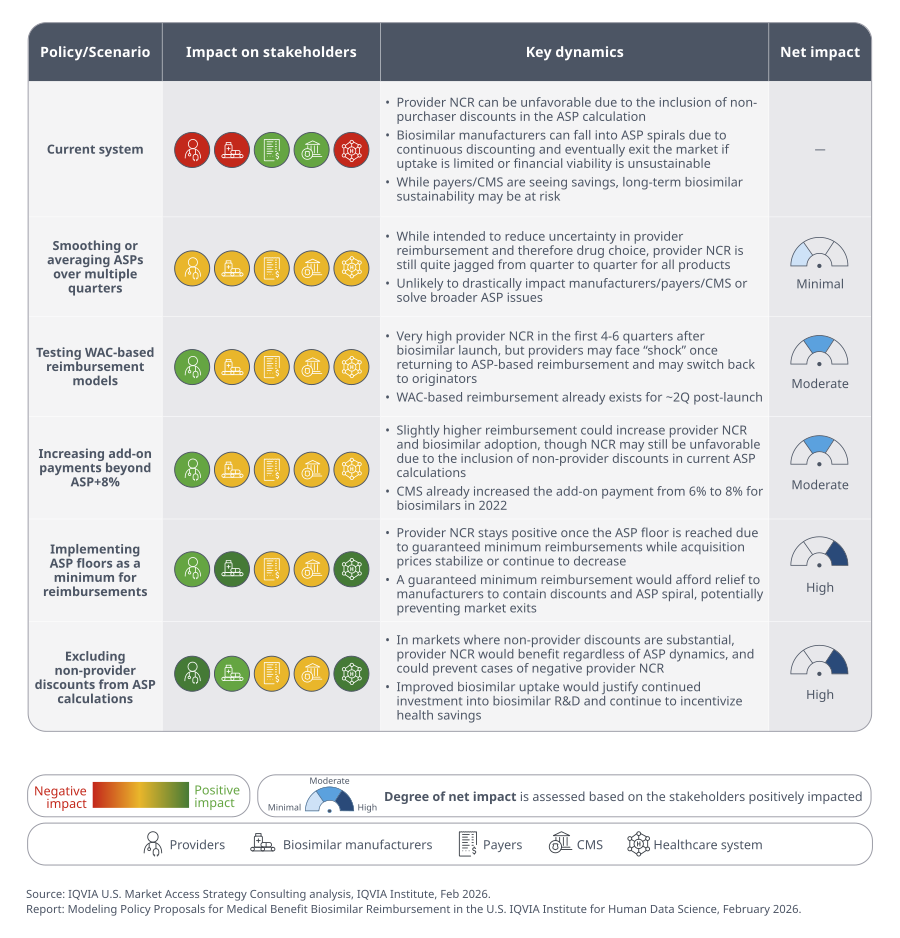
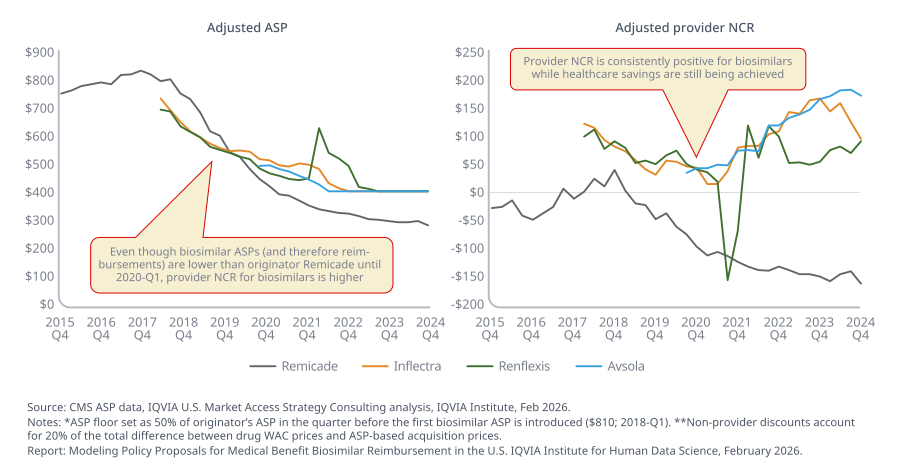
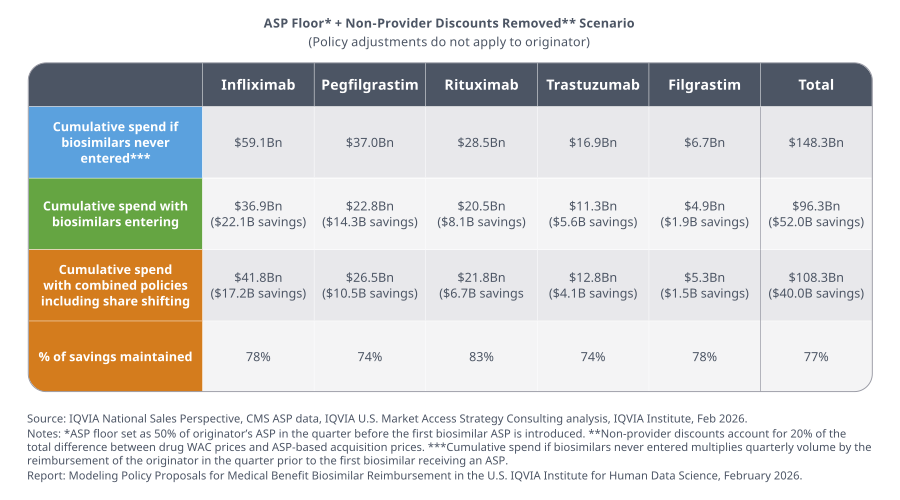
This report assesses five policy approaches designed to address these challenges through modifications to ASP-based reimbursement for medical benefit biosimilars, including smoothing ASP calculations across quarters, extending WAC-based reimbursement at launch, increasing add-on payment percentages, establishing minimum reimbursement floors, and redefining ASP to exclude certain discounts. Using historical ASP data and modeled estimates of provider cost recovery, the analysis evaluates how each proposal may affect providers, manufacturers, payers, and overall healthcare spending. The findings aim to inform industry stakeholders as well as policymakers as they weigh reforms that support near-term savings while sustaining a competitive and durable biosimilar market over time.
You may also be interested in
Related solutions
Bring your biosimilar to market faster by tapping into unparalleled data, technology, advanced analytics, and scientific expertise.