
.svg)




Biosimilars
Bring your biosimilar to market faster by tapping into unparalleled data, technology, advanced analytics, and scientific expertise.



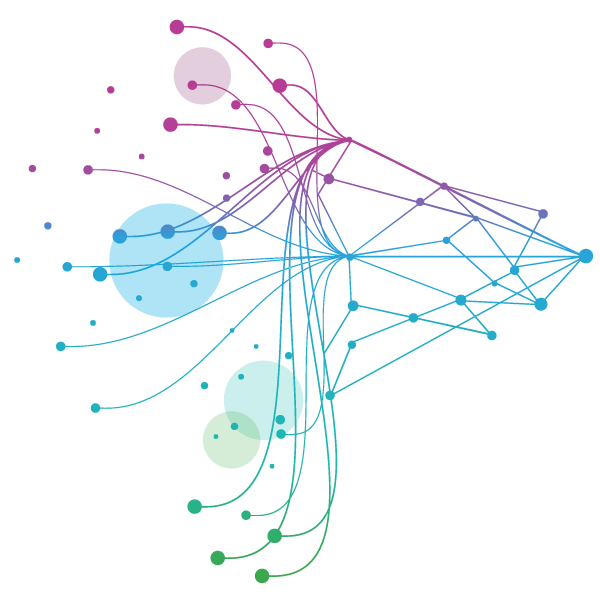










As biosimilars continue to play an expanding role in European healthcare systems, it is increasingly important to understand not only the savings and access gains they generate, but also the market conditions required to maintain those benefits over time. IQVIA Institute published scorecards on the sustainability of biosimilar markets in 2018. This report aims to review this sustainability and how health care systems have evolved over time highlighting the positive levers and areas of development to ensure market sustainability for Biosimilars.
This report highlights the value of biosimilars and evaluates the structural determinants of biosimilar market sustainability across a diverse set of European countries through a standardized, multi-dimensional assessment framework. It examines sixteen metrics across eight categories—including pricing rules and dynamics, incentives, purchasing mechanisms, dispensing and supply, clinical guidelines and prescribing practices, competitive structure, and healthcare system performance—to identify the policy configurations that support or hinder long-term biosimilar viability.
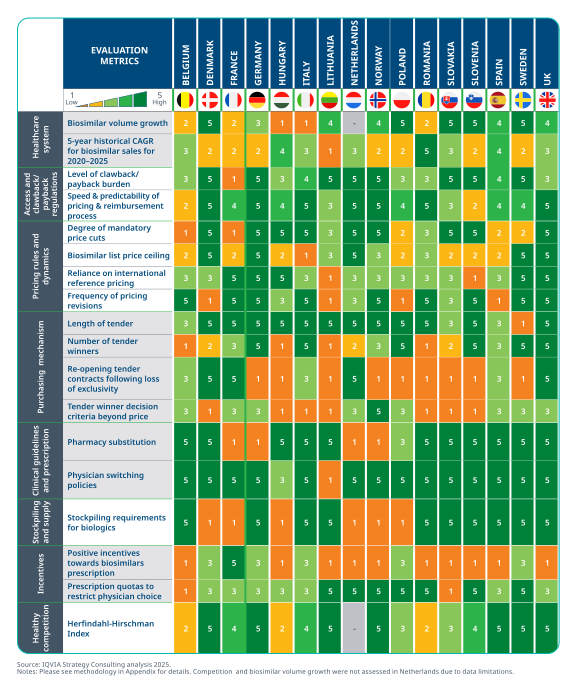
To get the most value, it is recommended to download the full report which has the methodology in the appendix along with the individual country scorecards.
To get the most value, it is recommended to download the full report which has the methodology in the appendix along with the individual country scorecards.
Bring your biosimilar to market faster by tapping into unparalleled data, technology, advanced analytics, and scientific expertise.