




As precision medicine continues to reshape healthcare, diagnostics are playing a growing role in helping clinicians identify the right treatments for the right patients. Bringing those innovations to market, however, requires more than scientific expertise. Success depends on thoughtful planning, strong clinical evidence, and a clear path to commercialization.
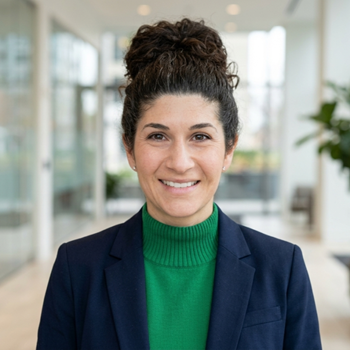
We spoke with Lisa Hoover about her career in diagnostics, the challenges sponsors face in IVD development, and why early planning remains one of the biggest predictors of success.
What drew you to a career in diagnostics?
I've always been passionate about the intersection of science and patient care, and diagnostics sits at the center of that connection. The ability of a diagnostic test to influence treatment decisions, improve outcomes, and support precision medicine is what initially drew me to the field. Over the course of my career, I've worked across multiple stages of diagnostic development, from biomarker research through clinical validation and regulatory submission. As personalized medicine advanced, I became increasingly involved in biomarker-driven programs and companion diagnostics, where diagnostics play a critical role in guiding treatment decisions. What continues to motivate me today is helping innovative diagnostic solutions reach patients.
You've worked across the full diagnostic development lifecycle. How does that help sponsors navigate complex programs?
Having worked across the full development continuum allows me to anticipate challenges before they become program risks. Decisions made during assay development or study design often have significant downstream implications for clinical validation, regulatory strategy, reimbursement, and commercialization. I encourage sponsors to think holistically about diagnostic development rather than viewing each phase in isolation. Clinical evidence requirements, patient population selection, sample collection strategies, regulatory expectations, and commercial objectives should all be considered early. When those elements are aligned from the outset, organizations can reduce rework and move more efficiently from concept to commercialization.
What separates successful IVD programs from those that encounter delays?
The most successful IVD programs typically share three characteristics: a clear clinical question, early strategic planning, and strong cross-functional alignment. Programs often encounter delays when assumptions around patient access, specimen availability, regulatory requirements, or market needs are not addressed early enough. My advice for emerging IVD companies is to engage stakeholders as early as possible. The evidence generated during development should support physician adoption, reimbursement, patient access, and long-term commercial success. Investing time upfront in planning almost always saves time and resources later.

What are the biggest challenges sponsors face when planning and executing IVD clinical studies?
One of the biggest challenges is ensuring access to the right patient populations and clinical samples. To mitigate risk, it's critical to begin feasibility assessments early and develop realistic enrollment and sample acquisition plans. Strong site qualification, proactive risk management, and early regulatory alignment can significantly improve execution. Ultimately, the organizations that move fastest are often those that invest the most effort in planning before study initiation.
How are clinical evidence expectations changing for diagnostic developers?
Precision medicine continues to be one of the most significant forces shaping diagnostic development. At the same time, regulators, healthcare providers, and payers are placing greater emphasis on demonstrating clinical utility, not simply analytical performance. Developers increasingly need evidence that shows how a test improves patient management, treatment selection, or clinical outcomes. Sponsors should think early about the evidence needed not only for approval, but also for reimbursement, physician confidence, market adoption, and patient access.
Looking ahead, what trends will have the greatest impact on IVD development?
I believe artificial intelligence and advanced data analytics will have a significant impact on both diagnostic development and clinical trial execution. We're also likely to see continued growth in real-world evidence, decentralized sample collection models, next-generation sequencing, and multi-omics approaches. From a commercialization perspective, success will increasingly depend on demonstrating not only analytical and clinical validity, but also clear clinical utility and health-economic value. Companies that can effectively connect scientific innovation with meaningful clinical outcomes will be best positioned to succeed in the evolving diagnostics landscape.
Related solutions
IQVIA MedTech delivers lifecycle-aligned clinical research solutions to help generate the right evidence from early feasibility through post-market studies.
Navigating change is a constant in the MedTech industry—and success requires a partner who truly understands your technology, your risk profile, and your path to market. IQVIA MedTech is a medical device–specialized partner, built specifically to support MedTech innovators as complexity increases and expectations evolve.
With IQVIA MedTech, you gain more than expertise—you gain a partner built for the medical device, diagnostics and digital health industry, dedicated to helping you thrive, every step of the way.