
.svg)




Omnichannel Engagement and Insights
Maximize the value of your brand with personalized, precise, and efficient communications.












In the previous article, “Introduction of Marketing Mix in the Pharmaceutical Industry”, we explored how Marketing Mix Modeling (MMM) driven by advances in statistical techniques, digital transformation, automation, and the integration of generative AI has evolved into a strategic capability for healthcare organizations. No longer confined to retrospective ROI analysis, MMM is rapidly becoming a forward-looking intelligence engine that empowers pharmaceutical companies to optimize resources, personalize engagement, and unlock new sources of commercial value.
Building on that foundation, this follow-up article, “The Hidden Growth Opportunities Behind MMM,” examines the unrealized potential of MMM across the pharmaceutical landscape. Drawing on deep industry expertise and real-world case studies, our multidisciplinary team analyzes emerging trends to uncover incremental growth opportunities and strategic realignments in marketing investment across the Middle East and the EU4+UK.
a. From Traditional Detailing to Strategic Alignment in the Middle East
The Middle East pharmaceutical market is advancing rapidly and is projected to reach USD 36 billion by 2028, growing at a 7.7% CAGR (2023–2028) [Source: IQVIA MIDAS ex-Mfg. sales]. This growth is fueled by government-led R&D initiatives, widespread adoption of digital health, and expanding manufacturing capabilities. Strategically positioned at the intersection of three continents and supported by innovation hubs and infrastructure investment, the region is on track to emerge as a global pharmaceutical hub.
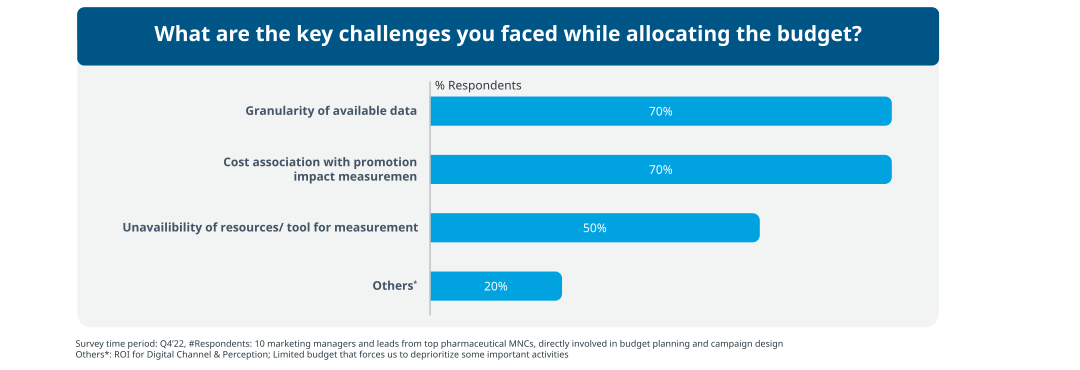
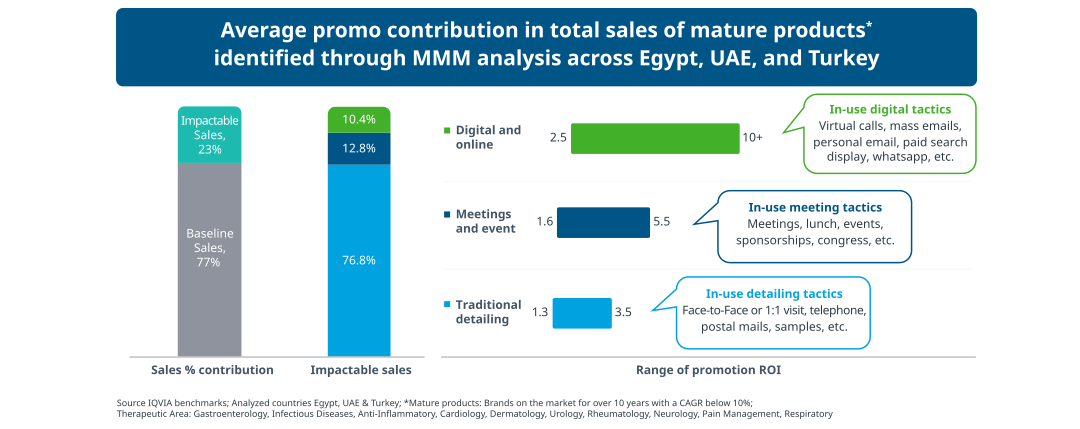
As the market evolves, marketers face increasing pressure to optimize promotional investments, measure ROI, and benchmark performance. According to a regional survey, 70% of the marketers cited limited data granularity and high measurement costs as key barriers to efficient budget allocation. Additionally, 50% of the respondents pointed to the lack of resources/tools for data-driven decision-making as a core challenge.
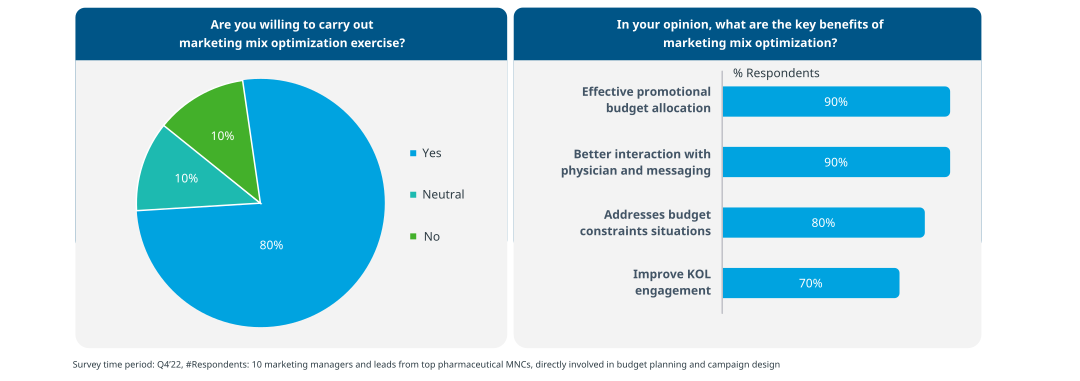
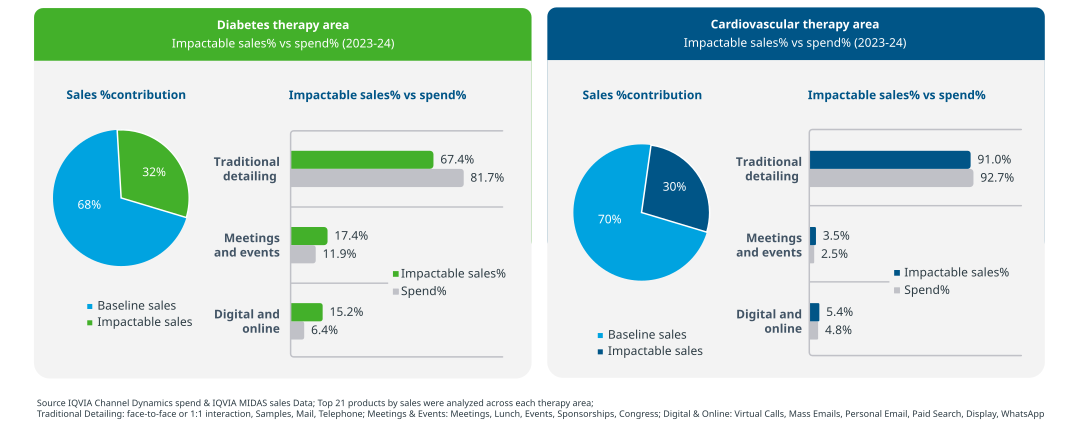
A separate analysis of 2023–2024 promotional activity across more than 20 products in Saudi Arabia’s Cardiovascular and Diabetes therapy areas uncovered a structural imbalance. Despite Saudi Arabia’s rapidly advancing digital health ecosystem, fueled by Saudi Vision 2030, pharmaceutical companies continue to allocate 80–90% of promotional budgets to traditional detailing [source: IQVIA Channel Dynamics].
Yet beneath this overarching trend, the underlying reality in these generic-dominated markets tells a more nuanced story. In Diabetes, digital and online channels account for nearly 15% of promotional‑impacted sales while representing just 6% of investment, signaling notable untapped efficiency. In contrast, Cardiovascular remains heavily anchored in traditional outreach, indicating a clear and underleveraged digital opportunity.
Saudi Arabia’s broader digitization reinforces this imperative. With near‑universal internet access, widespread smartphone penetration, and fully accessible open data, the population is increasingly receptive to digital engagement [Source: 2024 United Nations E-Government Development Index (EGDI)]. Saudi Arabia’s transformation is not merely infrastructural but behavioral, raising the stakes for marketers to navigate an increasingly data‑rich environment and optimize investments across both traditional and digital channels.
b. Bridging Promotion Gaps in the EU4+UK MarketThe EU4+UK region is widely recognized as a mature pharmaceutical market, characterized by sophisticated promotional ecosystems, rigorous compliance standards, and omnichannel engagement strategies. Yet even within this advanced environment, misalignments persist.
An analysis of more than 4,000 products across multiple therapy areas identified a consistent disconnect between the channels HCPs prefer and those through which they are engaged. This misalignment is particularly pronounced in Germany and the UK, where nearly 57% of promotional interactions fail to match stated HCP preferences. By specialty, the gap is most acute among hematologists and infectious disease specialists.
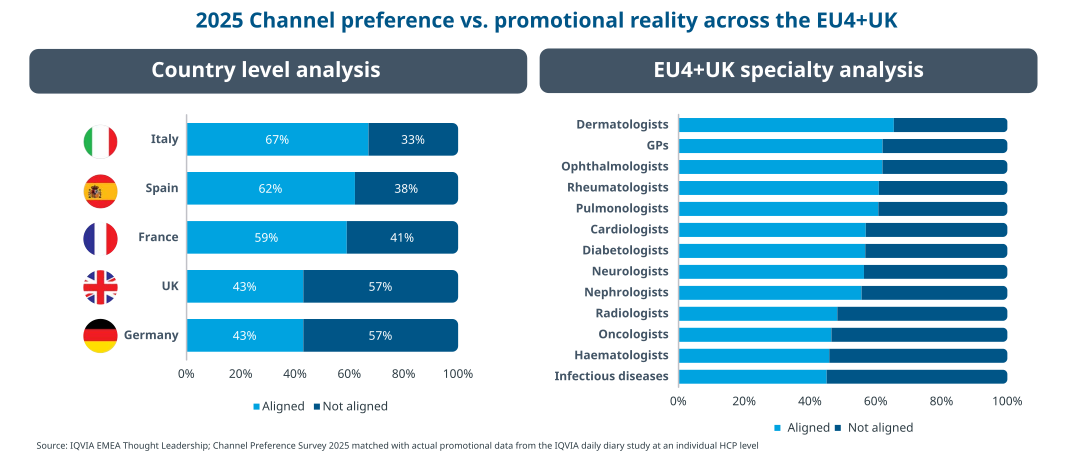
Further investigation reveals several drivers of this disconnect (cadence mismatch, content relevance, budget constraints, etc.), with two factors emerging as consistently dominant across geographies:
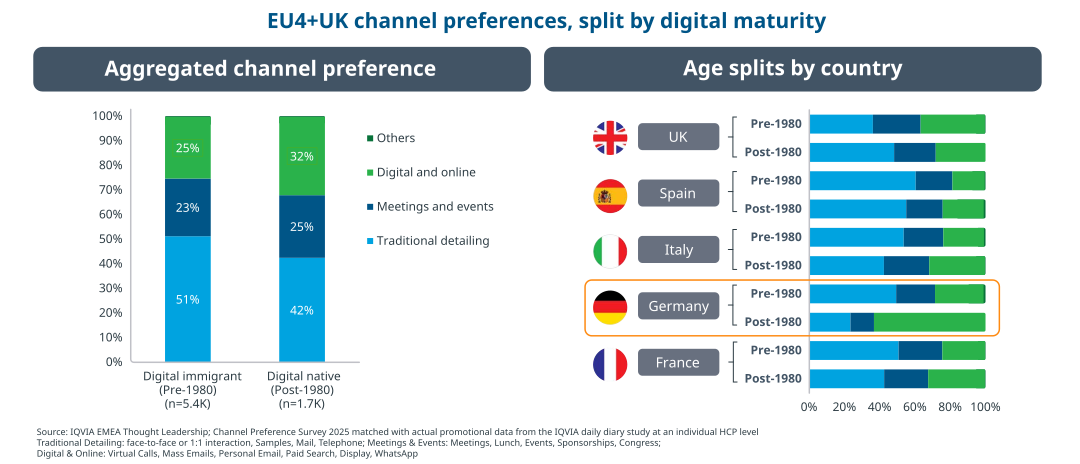
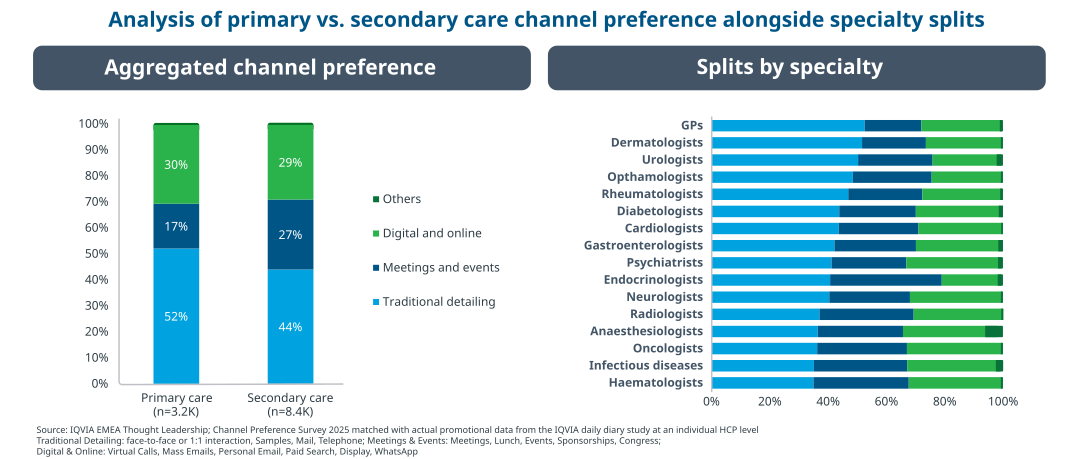
Together, these findings underscore the limitations of conventional ROI tracking and highlight the importance of evidence-based, granular promotional planning. Advanced MMM, particularly automated, AI‑enabled solutions, allows organizations to surface real‑time insights, refine channel effectiveness, and make more agile, data‑driven investment decisions.
Pharmaceutical companies operate in intensely competitive environments where breaking through promotional clutter is increasingly difficult. While focusing on a narrow set of channels may simplify planning, sustained success requires a more integrated, data‑rich approach capable of uncovering true causal relationships.
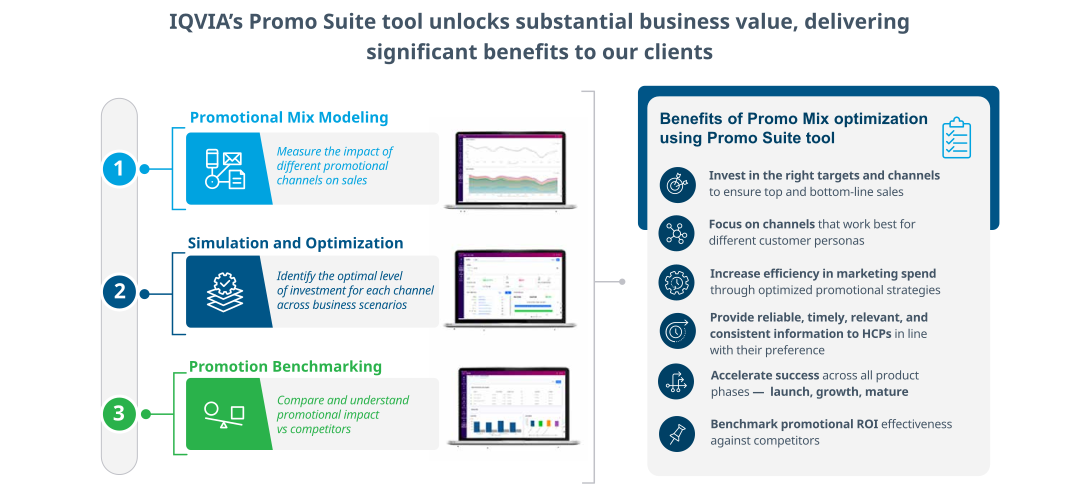
IQVIA addresses this need by combining proprietary assets such as MIDAS (sales data) and Channel Dynamics (promotional activity) with industry benchmarks built from more than 15 years of global experience. These inputs are powered by AI‑enabled tools such as IQVIA’s Promo Suite tool, delivering the analytical rigor required for robust MMM and translating insights into actionable, high‑impact strategies.
Background:
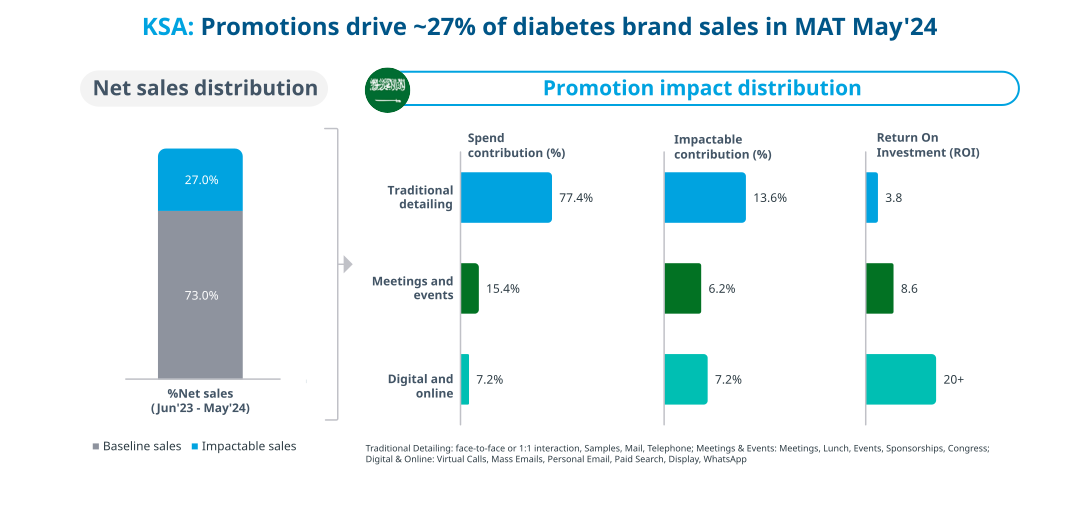
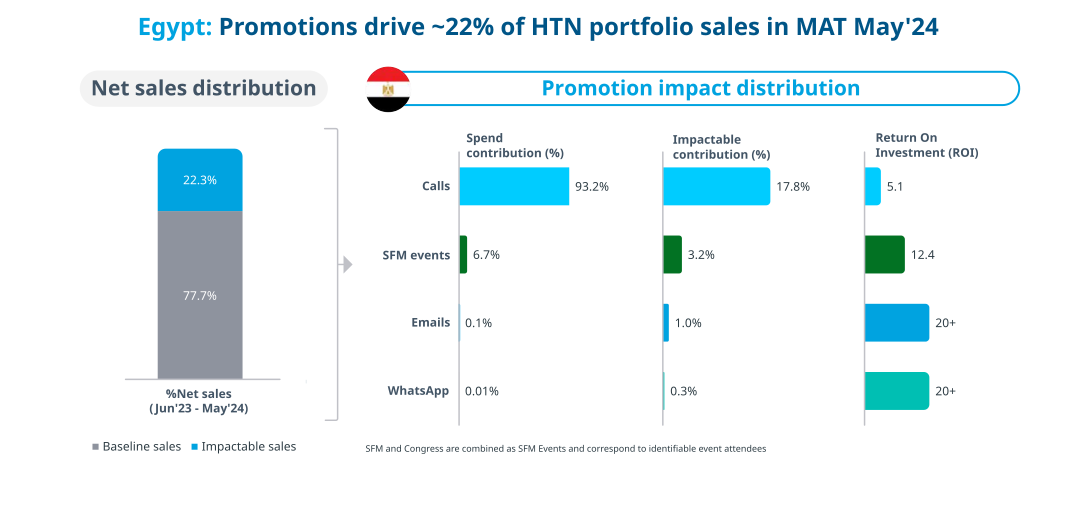
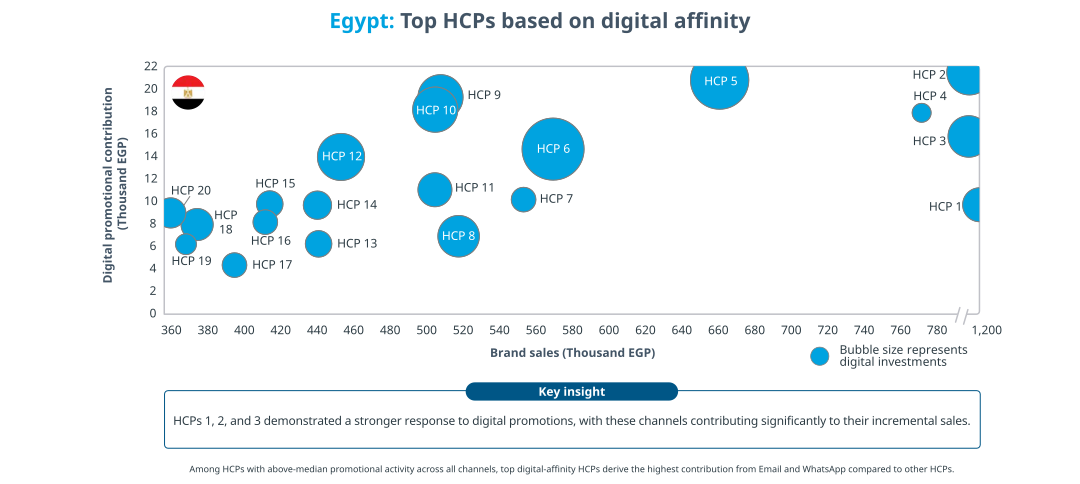
A leading global pharmaceutical company engaged IQVIA to optimize investment across a USD 40 million Hypertension portfolio in Egypt and to evaluate promotional effectiveness for a USD 3 million Diabetes brand in Saudi Arabia.
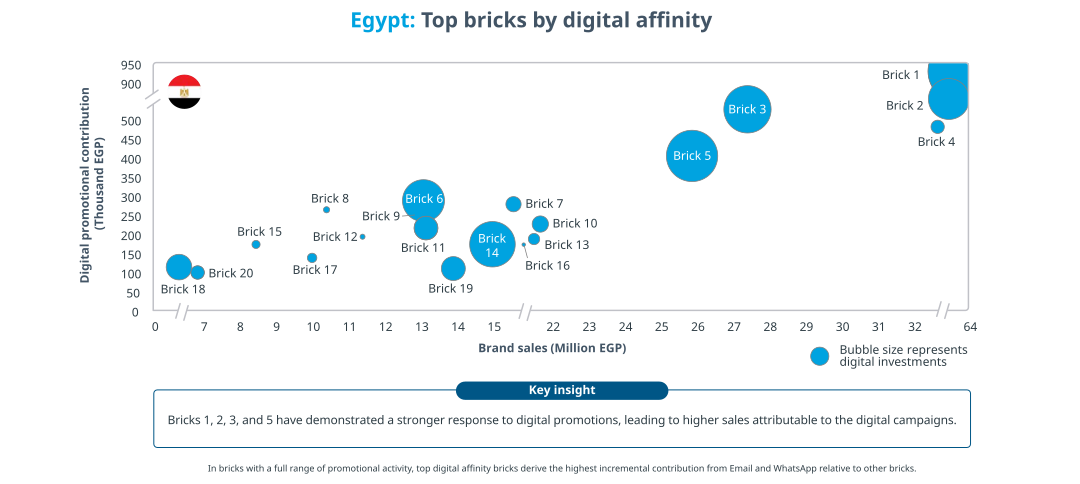
Historically, regional marketing decisions were driven largely by business instincts, with traditional strategies lacking the precision needed to scale effectively across therapeutic areas. To introduce analytical rigor, the Head of Global Commercial Analytics engaged IQVIA to implement a data-driven solution focused on measuring promotional impact, identifying optimal frequency, and developing market‑specific budget strategies. Another key objective was to increase digital touchpoints and reduce field force dependency in Egypt without sacrificing sales performance.
Approach:
The Middle East pharma market presented challenges of fragmented data, limited HCP visibility, and tight promotional budgets. To address these hurdles, IQVIA leveraged its OneKey HCP Database to map target specialists against monthly sales (MIDAS) and promotional activity/investment (Channel Dynamics).
Further, Promo Suite tool was leveraged to execute MMM and determine promotion impact with minimal data inputs applying integrated multi‑modeling techniques.
Impact:
Through MMM the optimal outreach across digital and traditional communication channels in both countries was determined. This insight guided a strategic shift toward channel-wise investment optimization, with frequency calibrated to each audience segment. Key outcomes included:
To sustain these gains, it was recommended to embed MMM into ongoing tactical planning. Even with limited data and spend, MMM unlocks scalable strategies, sharpens decision-making, and proves essential for brands seeking to grow reach without overspending.
Background:
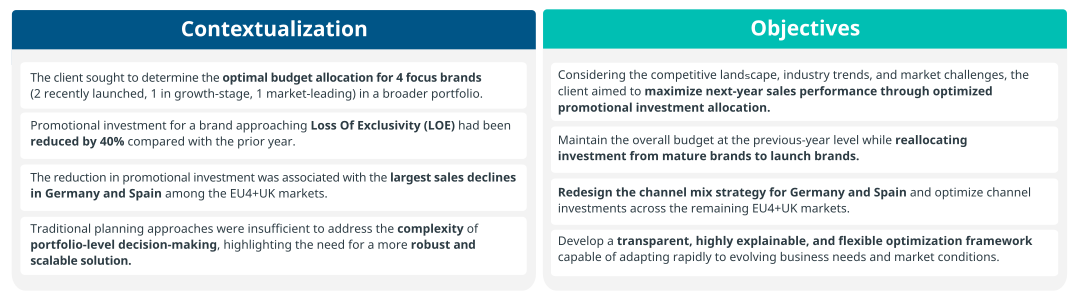
A global biopharmaceutical company with a USD 50 billion revenue base sought to optimize marketing investments across EU4+UK. To strengthen its country-level strategies, the client aimed to evaluate marketing impact across a diverse product portfolio spanning therapeutic areas such as oncology, anti-inflammatory, cardiology, and respiratory, with each product at a different stage of the life cycle, i.e., launch to maturity.
A core objective was to determine the optimal marketing investment across each EU4+UK market, balancing increased investment for launch and growth brands against reduced investment for mature and LOE products and ensuring promotional efforts remained both targeted and efficient.
Approach:
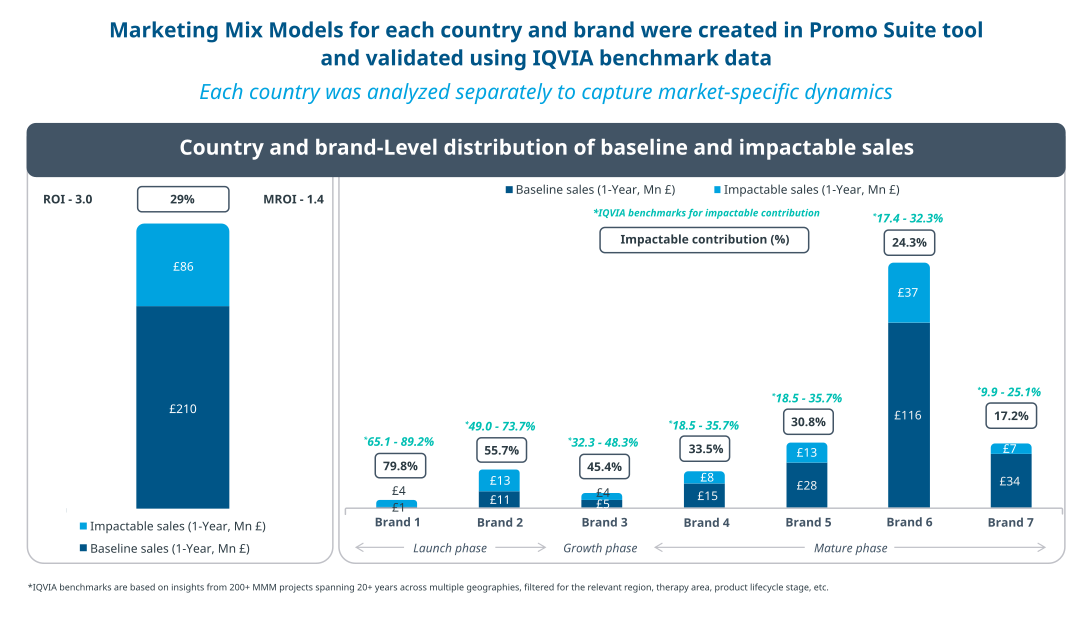
Traditional analytics proved insufficient for the complexity of a multi‑brand, multi‑country portfolio. IQVIA leveraged its AI-enabled cloud‑based Promo Suite tool to measure baseline versus promotional contributions for each brand‑country combination, validated against IQVIA benchmarks.
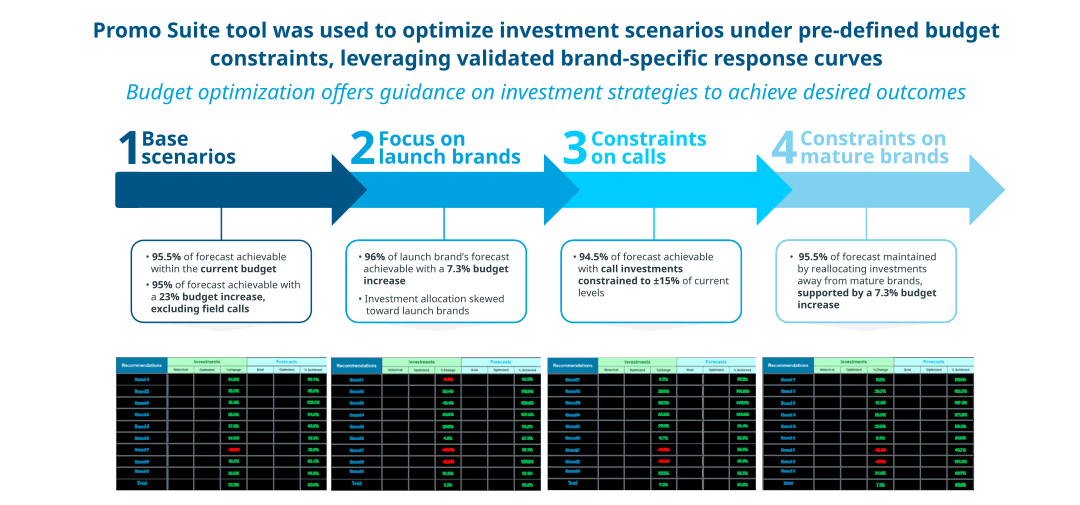
Furthermore, Promo Suite tool’s agile scenario simulation capabilities enabled rapid testing of multiple strategic options to uncover high-yield promotional tactics. These simulations supported scenario-based optimization and informed country-level budget allocations, laying the groundwork for future adaptability and self-serve refinement within the marketing planning process.
Impact:
Marketing Mix Modeling (MMM) and scenario simulations guided a 30% increase in spending for two launch brands and a 20% reduction for mature brands, effectively achieving 95.5% of forecast with just a 7.3% increase in overall budget. These data-driven recommendations contributed to measurable commercial outcomes over time, underscoring the efficiency of the optimized resource allocation.
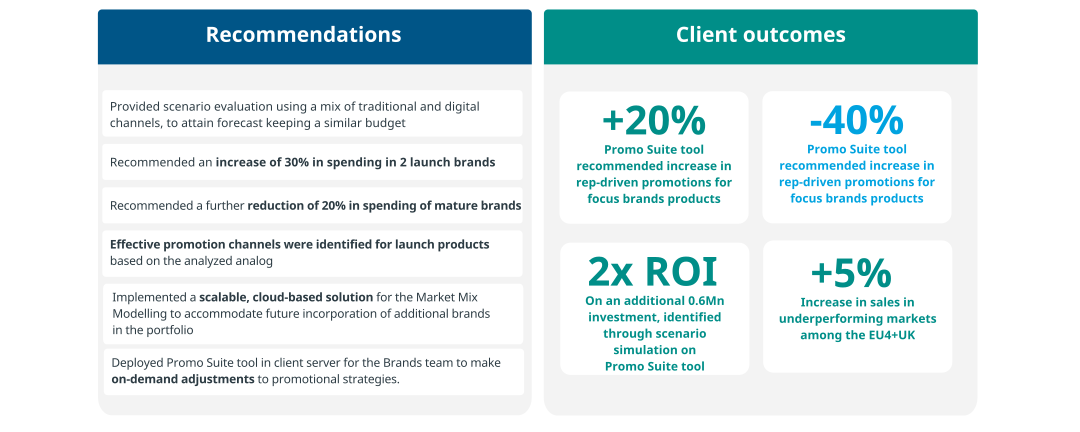
To maintain commercial excellence in the face of market saturation and therapeutic complexity, the client was advised to institutionalize portfolio-level modeling. Deploying the scalable, cloud-based Promo Suite tool on the client’s server enabled brand teams to make real-time, self-serve adjustments, ensuring future adaptability and precision in promotional strategy.
By leveraging AI-powered Marketing Mix Modeling (MMM), Promo Suite tool can efficiently surface predictive insights that go beyond traditional methods. This next-generation capability enables precision in feature selection, enhancement in modeling quality, and faster investment decisions all at once. Overall, AI-enablement ensures that all stakeholders are aligned on key objectives and metrics, fostering a unified approach to achieving promotional and business goals.
a. Unlocking the Power of Gen AI for Marketing Insights
GenAI offers predictive insights into promotional strategies, enabling businesses to make data-driven decisions with greater confidence. By leveraging GenAI’s large language models (LLMs), the platform also performs real-time Product Maturity Assessments using online search-driven analysis, classifying products across lifecycle stages to dynamically calibrate modelling expectations. This capability allows us to answer critical questions such as:
By delivering relevant messages and key insights, GenAI accelerates the decision-making process. Stakeholders can concentrate on the primary marketing trends rather than spending excessive time analyzing the data, allowing for more informed and rapid responses to market changes and business challenges.
b. Accelerating Decision-Making with Agentic AI
While GenAI excels at assisting with interpretation and communication, it has limitations. Agentic AI goes further operating as a digital coworker that can manage entire MMM workflows, make decisions within guardrails, and deliver outcomes with minimal intervention. It can autonomously run scenarios, recommend reallocations, and execute end-to-end processes, ensuring speed, consistency, and accountability.
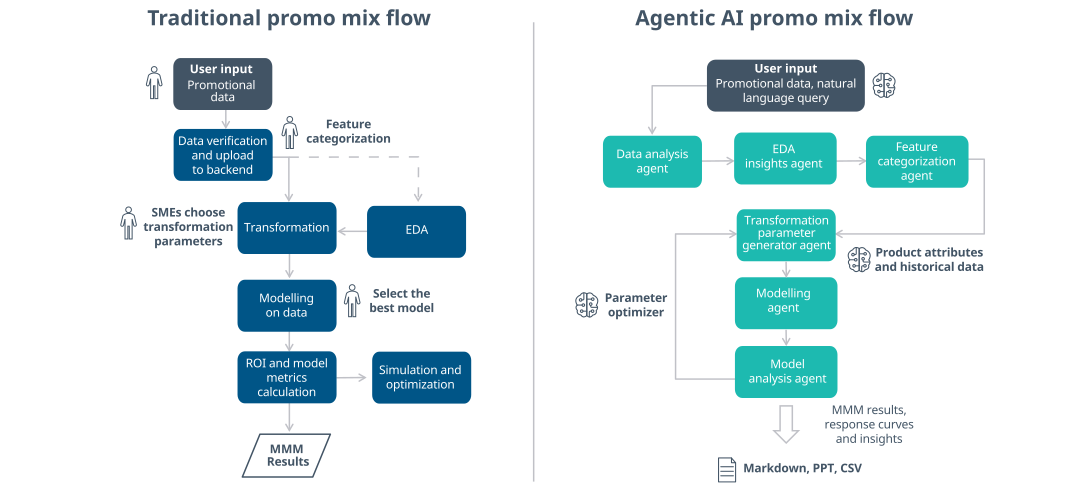
Agentic flow reimagines promotional analytics through intelligent orchestration, delivering smarter models, and scalable execution. With LLM-powered Marketing Mix Modeling (MMM), teams can automatically generate meaningful headers and key insights for each chart or slide, along with tailored executive summaries designed for specific business personas. Outputs such as promotional impact, ROI, and marginal ROI (mROI) are delivered seamlessly in PowerPoint format, enabling faster sharing of insights and accelerating the implementation of promotional actions.
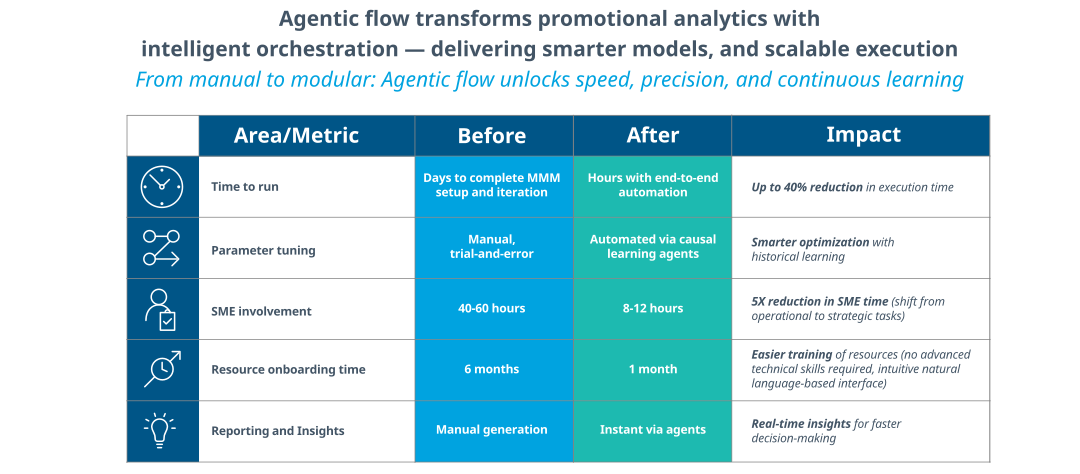
Integrated with AI capabilities, Promo Suite tool combines the assistant-like strengths of generative models with the autonomous execution power of agentic systems. This dual approach ensures marketers can not only uncover insights but also operationalize them seamlessly, causing measurable impact in competitive markets.
Related solutions
Maximize the value of your brand with personalized, precise, and efficient communications.