





.svg)











Stay ahead with the EMEA Thought Leadership insights: your source for industry-leading expertise and analysis
Blog
Respiratory reimagined with targeted immunotherapies
Driving innovation at the immunology-respiratory intersect
May 29, 2026
Introduction
Chronic respiratory diseases are major global causes of mortality and morbidity. In 2023, they accounted for 570 million cases, 4.2 million deaths and 109 million DALYs globally, with COPD the fourth leading cause of death [1,2].
Dysregulation of the immune system and/or its exaggerated response play a key role in driving the pathology of a range of chronic respiratory diseases, for example, asthma, COPD, chronic rhinosinusitis with/without nasal polyps, or lung conditions associated with connective tissue diseases, such as systemic sclerosis, rheumatoid arthritis, Sjögren’s or SLE.
Historically, the treatment of respiratory diseases has focused on alleviating symptoms, e.g., inhaled muscarinic antagonists, bronchodilators or corticosteroids as foundational therapies for asthma and COPD; anti-histamines, intranasal and oral corticosteroids for chronic rhinosinusitis; and high-dose oral corticosteroids or immunosuppressants such as methotrexate or azathioprine for interstitial lung diseases.
A deeper mechanistic understanding of the underlying biology of respiratory diseases enables the targeting of specific immune pathways with systemic pharmacotherapies, with the potential to achieve durable, steroid-free disease control, even in severe, refractory patients.
This blog explores the opportunity for targeted immunotherapy approaches with focus on inflammatory respiratory diseases.
Targeted respiratory immunotherapies on the rise
To date, biologics therapy has proven most successful in treating the type-2 inflammation endotype of chronic respiratory diseases.
The type 2 inflammatory response is characterised by specific cytokines, such as IL-4, IL-5, IL-9, IL-13 and IL-31, which are released by T-helper 2 cells (Th2) and group 2 innate lymphoid cells (ILC2) in response to pro-inflammatory, epithelial-derived alarmins, e.g., IL-25, IL-33 and thymic stromal lymphopoietin (TSLP). These type 2 cytokines initiate and sustain inflammation via T cells, eosinophils and ILC2s and promote isotype class switching of B cells to produce immunoglobulin E (IgE) [3].
Seven biologics targeting IgE, IL-4/IL-13, IL-5 and TSLP have been approved to date for the treatment of chronic respiratory diseases, including:
- Asthma: Xolair (IgE), Nucala (IL-5), Fasenra (IL-5), Cinqair (IL-5), Dupixent (IL-4/13), Tezspire (TSLP), Exdensur (ultra-long acting IL-5)
- COPD: Dupixent (IL-4/13), Nucala (IL-5)
- Chronic rhinosinusitis with nasal polyps (CRSwNP): Xolair (IgE), Nucala (IL-5), Dupixent (IL-4/13), Tezspire (TSLP)
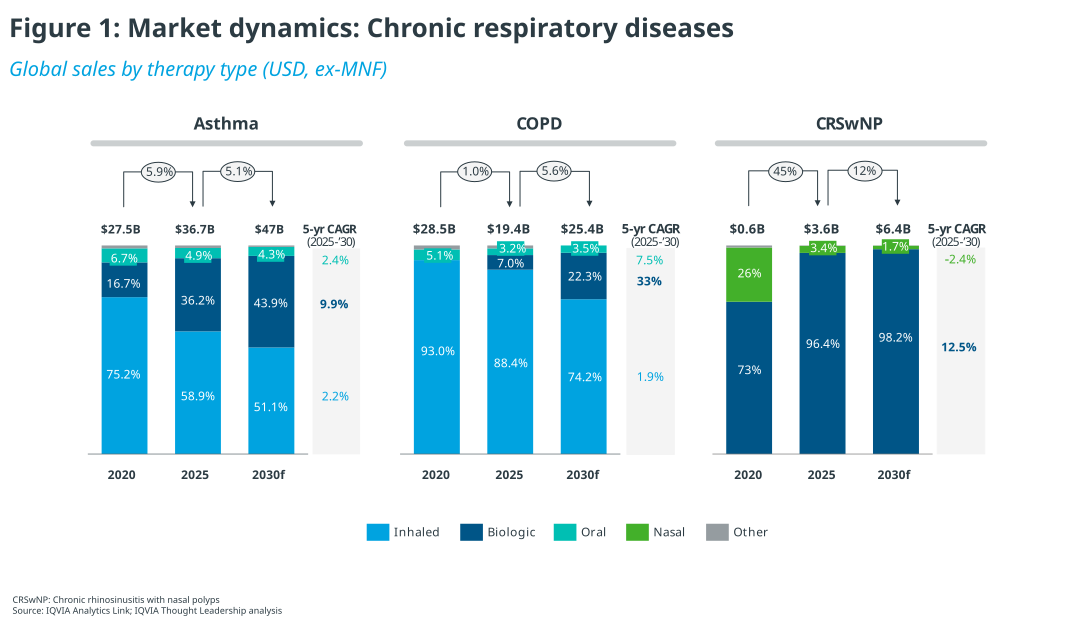
Biologics are the key value growth drivers of the respective markets for these respiratory diseases. Over the next 5 years, the biologics segment is expected to grow at twice and six times the rate of the overall global market for asthma and COPD, respectively, at ex-manufacturer prices, while accounting for all of the value growth in CRSwNP (see Figure 1).
Despite the recent expansion of respiratory immunotherapy options, unmet need remains high, for example:
- Asthma: Incomplete control; exacerbations reduced but not eliminated; oral corticosteroid dependence; limited options for non-type 2 asthma.
- COPD: Frequent exacerbations despite triple inhaler therapy, driving hospitalisations and highest mortality among respiratory diseases; no prevention or delay of irreversible lung damage and functional decline; benefit of biologic therapies limited to narrow sub-population (eosinophilic, asthma-COPD overlap).
- CRSwNP: High recurrence rates of polys post-surgery; persistent nasal obstruction despite treatment with intranasal/oral corticosteroids, loss of sense of smell, partial response to biologics, oral corticosteroid dependence; limited options for non-type 2 CRSwNP.
This presents an opportunity for innovators (i) to redefine the therapeutic frontier in type 2 respiratory diseases to achieve durable, steroid-free remission and (ii) to expand treatment options to non-type 2 endotypes characterised by low eosinophils and dominant innate or neutrophilic inflammation.
Deep dive I: Asthma
1. Current immunotherapy landscape
In 2003, the FDA approved IgE-targeting Xolair as the first respiratory biologic for the treatment of moderate-severe, persistent allergic asthma that is inadequately controlled with inhaled corticosteroids. It took over a decade until the next generation of asthma biologics entered the market:
IL-5 antagonists Nucala (2015), Cinqair (2016) and Fasenra (2017), followed by IL-4/13 inhibitor Dupixent (2018), TSLP inhibitor Tezspire (2021) and ultra-long-acting IL-5 inhibitor Exdensur (2025).
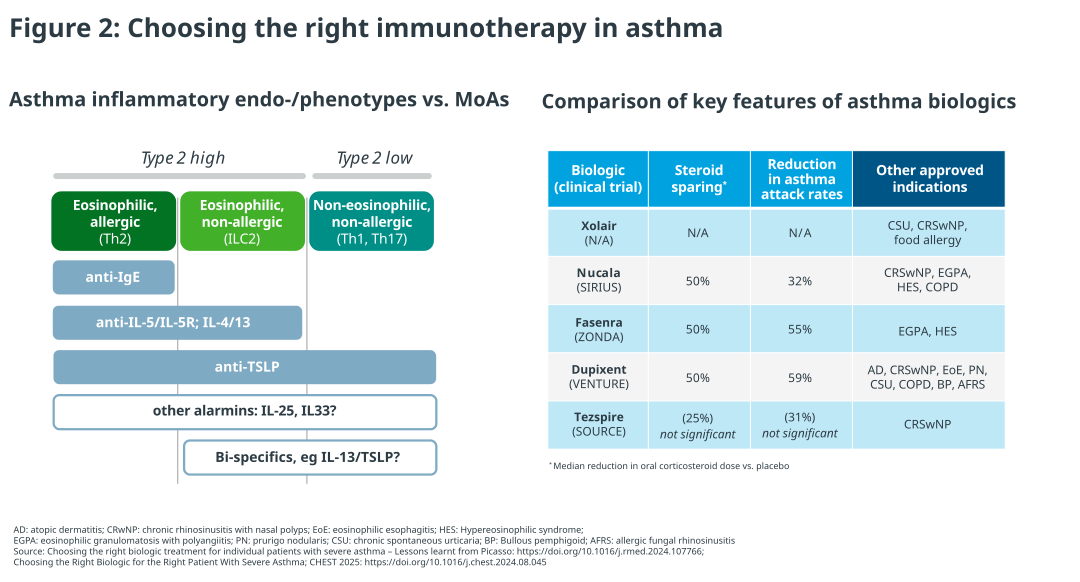
This increasingly crowded biologics landscape requires pragmatic stratification of the heterogeneous, moderate-to-severe asthma population, including endo- and phenotyping, to match individual patients with the best treatment option (see Figure 2).
Key considerations for informing treatment choices include [4,5]:
- Mechanistic rationale based on inflammatory endo-/phenotype, e.g., eosinophilic/allergic, eosinophilic/non-allergic, non-eosinophilic/non-allergic, determined via relevant biomarkers, e.g., blood eosinophil count, IgE, allergy confirmation, FeNO levels. In general, elevated blood eosinophil counts and FeNO levels are associated with greater efficacy across all approved asthma biologics.
- Steroid sparing: Enabling steroid-dependent patients to taper off OCS maintenance without losing disease control, with Nucala, Fasenra and Dupixent the only biologics that demonstrated significant reductions in daily OCS use in large, randomised controlled trials.
- Comorbidities: Ability to simultaneously treat asthma co-morbidities, such as CRSwNP, atopic dermatitis, eosinophilic granulomatosis with polyangiitis (EGPA) or hyper-eosinophilic syndrome (HES), with Dupixent, Nucala and Xolair approved for the largest number of indications beyond asthma.
- Convenience: An onerous drug administration burden may impact patient adherence. Maintenance dosing intervals vary considerably across approved asthma biologics: sub-Q injections every 2 weeks for Dupixent, 2-4 weeks for Xolair, 4 weeks for Nucala and Tezspire, 8 weeks for Fasenra, and 6 months for ultra-long acting Exdensur, while Cinqair requires an IV infusion every 4 weeks.
In the current, predominantly type 2-focused immunotherapy landscape, the prospects of asthma patients contrast dramatically between endotypes, with stark differences in available therapeutic options and achievable disease control for type 2 (~60% of patients) vs. non-type 2 (~40% of patients).
2. Asthma innovation highlights
Innovation efforts in asthma focus on two main objectives: (i) achieving deeper, durable disease control, (ii) expanding treatment options across endo- and phenotypes, especially for non-type 2 disease.
To this end, innovators are exploring a range of novel approaches, e.g., upstream inhibition of epithelial alarmins, simultaneously targeting multiple inflammatory pathways via bi-/tri-specifics or combination therapies, or targeting the obesity-inflammation axis.
- Upstream inhibition of epithelial alarmins, including TSLP, IL-33, and IL-25, intervenes at the top of innate and adaptive immune activation. This offers the potential for broader immune modulation, beyond type 2, than directly targeting downstream cytokines such as IL-4, IL-5, and IL-13. Apart from AstraZeneca’s marketed TSLP inhibitor Tezspire, there are over a dozen clinical-stage TSLP monotherapy assets in development, including inhaled TSLP antibody fragments, while several pre-clinical and phase 1 assets target IL-25, e.g., Sinomab’s SM17. Some IL-33 inhibitors have had mixed results in asthma, and IL-33 is now primarily explored as a target in COPD. Still, a few innovators continue to pursue IL-33 in asthma, e.g., AstraZeneca’s tozorakimab (phase 2).
- Bi-/tri-specifics: Given the complex pathogenesis of asthma involving multiple inflammatory pathways and diverse cellular responses, single-target monotherapies struggle to achieve comprehensive disease control. Numerous multi-specific antibodies seek to achieve a deeper, more durable response via a multi-pronged approach. Examples include Sanofi’s lunsekimig (IL13/TSLP, phase 2), RegeneCore’s RC1416 (IL-4R/IL-5, phase 2), Pfizer’s tri-specific tilrekimig (IL-4/13/TSLP, phase 2), Innovent’s IBI3002 (IL-4/TLSP, phase1), or Huabo’s HB0056 (IL-11/TSLP, phase 1). Of note, many of these multi-specifics simultaneously target upstream alarmins and downstream cytokines, while Roche’s RG6981 (IL-33/TSLP, phase1) and Helixon’s HXN-1013 (IL-33/TSLP, preclinical) double down on upstream alarmins.
- Combination therapies: Limited data exists from clinical case reports on the use of dual biologic therapy for managing asthma patients, typically with inflammatory comorbidities, such as CRSwNP, atopic dermatitis, urticaria, or EGPA. A number of combinations have been explored, including Xolair/Nucala, Xolair/Dupixent, Dupixent/Fasenra, or Dupixent/Tezspire. Meanwhile, Apogee Therapeutics is investigating preclinical asset APG273 in asthma, combining two biologics that collectively target IL-13 and TSLP.
- Oral therapies: Asthma lacks targeted oral immunotherapies. STAT6 is a key nodal transcription factor selectively mediating downstream signalling of IL-4 and IL-13, the signature cytokines of type 2 inflammation. Several oral STAT6 inhibitors and degraders are in development for asthma, e.g., Kymera’s KT-621 (phase 2), Recludix/Sanofi’s REX-8756/SAR448755 (phase 1), plus several preclinical assets, with the potential to transform management of type 2 disease by introducing an ‘oral Dupixent’ option. For non-type 2 asthma, IRAK4 is emerging as a target of interest, as a master regulator for innate immunity and scaffolding kinase at the interface of innate and adaptive immune responses. Kymera/Sanofi identify asthma as a potential indication for their preclinical oral IRAK4 degrader KT-485.
- Obesity-inflammation axis: Obesity is associated with low-grade systemic inflammation which possibly extends to the airways and contributes to worse asthma outcomes, while up to 70% of severe asthma patients are obese. Lilly is investigating GLP-1/GIP receptor agonist Brenipatide in a phase 2 trial as a potential asthma therapy.
The broad-based innovation momentum in asthma, spanning a diverse range of MoAs, modalities and therapeutic strategies, supports an optimistic outlook for managing this respiratory disease in the future.
However, as the therapeutic landscape for asthma becomes increasingly crowded, innovators will need to overcome payer challenges, including a ‘good enough’ mindset and budget impact concerns.
Commercial success therefore depends on generating evidence that demonstrates value against payer-relevant dimensions, in particular real-world healthcare resource utilisation. This translates into endpoints such as reduction in hospitalisations, emergency room visits, or eliminating steroid dependence to avoid expensive, downstream complications, e.g. infection risk, diabetes or osteoporosis.
As inter- and intra-class competition between asthma immunotherapies intensifies, comparative evidence including head-to head trials will also become more important, which is already the case in other crowded immunology indications [6].
Deep dive II: COPD
1. Current immunotherapy landscape
In September 2024, IL-4/13 inhibitor Dupixent became the first biologic therapy for COPD with its FDA approval as add-on maintenance treatment for adult patients with inadequately controlled COPD and an eosinophilic phenotype, as defined by a blood eosinophil count of ≥300 cells/µL in its pivotal phase 3 trials BOREAS and NOTUS.
In May 2025, IL-5 inhibitor Nucala followed with its FDA approval, also as add-on maintenance treatment for adult patients with inadequately controlled COPD and an eosinophilic phenotype. Unlike Dupixent, the blood eosinophil count threshold for Nucala was as low as ≥150 cells/µL.
However, unmet need in eosinophilic COPD still exists because typical exacerbation rate reductions achieved with these biologics are limited to 20-30%.
Furthermore, unlike asthma, the predominant form of COPD is driven by neutrophilic inflammation, while the eosinophilic phenotype represents a smaller segment, ~20-40% of patients, with only ~10-20% of COPD patients showing persistently high eosinophils of ≥300 cells/µL (see Figure 3).
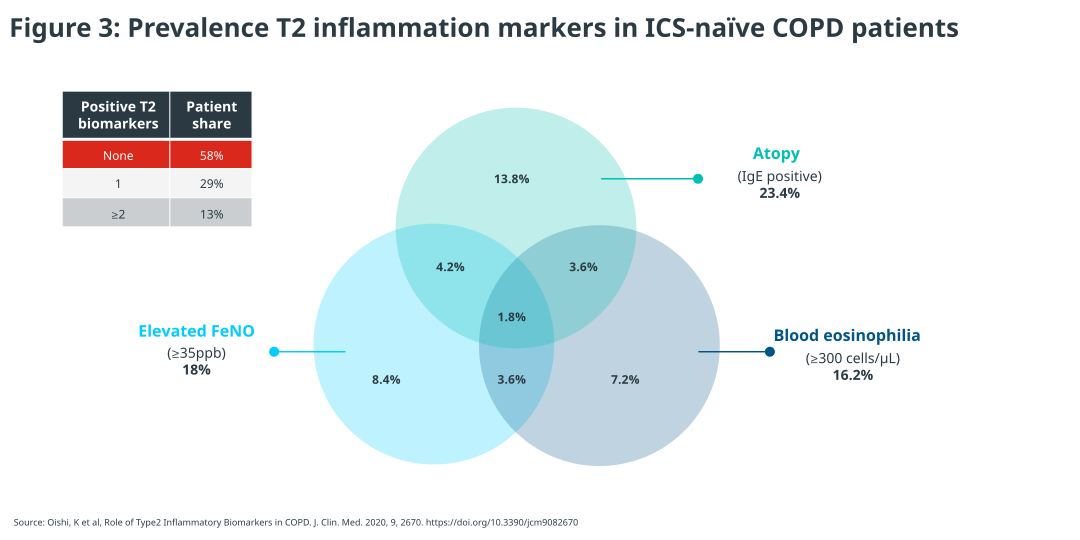
Overall unmet need therefore remains very high, as the majority of COPD patients do not benefit from the recently approved, eosinophilic phenotype-focused immunotherapies. Moreover, as the dominant, neutrophil-driven COPD endotype does not respond to inhaled corticosteroids, it correlates with worse clinical outcomes, such as accelerated lung function decline and recurrent infectious exacerbations.
2. COPD innovation highlights
Highly heterogeneous COPD is increasingly recognised as a collection of diverse conditions, as opposed to a single disease, driven by different biological pathways, clinical phenotypes and progression trajectories. This heterogeneity poses major challenges for the diagnosis and management of COPD, resulting in highly variable treatment response and patient outcomes.
The Treatable Traits approach reframes COPD as a collection of distinct disease drivers that can be independently modified, e.g., eosinophilic or neutrophilic inflammation, exacerbation risk, airflow limitation, chronic bronchitis, emphysema or infection risk [7-9]. As such, it facilitates more targeted management of COPD for improved patient outcomes and can also guide the development of new pharmacotherapies (see Table 1).
Table 1: COPD Treatable Traits vs. current and potential emerging therapeutic options
(not exhaustive; includes targeted and non-targeted therapies)
| Treatable trait |
Drivers | Current therapies | Potential emerging options / targets |
| Type-2 inflammation | IL-4/13, IL-5 | Dupixent, Nucala; ICS |
Next-gen type 2 therapies, incl. orals (eg STAT6), bi-specifics |
| Exacerbations | Innate, epithelial | ICS, PDE3/4 | IL-33, TSLP |
| Neutrophilic inflammation | Th1, Th17 | PDE3/4 | IL-33, IRAK4, MPO, macrophage-targeting |
| Chronic bronchitis | Mucus, infection | PDE3/4, macrolides | mucus targeting (eg CFTR modulation); IL-33 |
| Airflow limitation | Smooth muscle | LABA/LAMA, triple therapy, PDE3/4 |
ROCK, GPRC |
| Emphysema | Structural damage | Oxygen; (surgery) | Regenerative medicine (eg stem cells, progenitor cells) |
| Infection risk | Microbiome | Macrolides, vaccines | Sputum transplant, nebulized probiotics |
MPO: Myeloperoxidase; CFTR: Cystic fibrosis transmembrane regulator; ROCK: Rho kinase; GPCR: G protein-coupled receptor; ICS: Inhaled corticosteroids
Some noteworthy highlights of therapeutic innovation in COPD include:
- IL-33 inhibitors targeting this epithelial alarmin offer the potential to modulate both type 2 and non-type 2 Inflammation. As IL-33 is directly linked to the exacerbation biology and epithelial damage response, this MoA offers great potential in the exacerbation prone, innate immune-driven COPD patient population. AstraZeneca’s tozorakimab reduced COPD exacerbations rates in three phase 3 trials, while both Sanofi/Regeneron’s itepekimab and Roche’s astegolimab had mixed results, with each succeeding in only one of two phase 3 trials, but not the other.
- TSLP inhibitors, as another intervention targeting an upstream alarmin, in principle also hold the promise of broad utility across COPD inflammatory phenotypes. However, a phase 2 trial found the benefit of Tezspire may be limited to eosinophilic COPD patients. Two ongoing phase 3 trials evaluate Tezspire in COPD patients with blood eosinophil counts of ≥150 cells/μL, still lower than Dupixent’s threshold. Other examples of TSLP-targeting COPD assets in development include UpstreamBio’s verekitug (phase 2), Uniquity Bio’s solrikitug (phase 2) and Generate Biomedicine’s GB-0895 (phase 1).
- Oral therapies: Like asthma, COPD lacks targeted oral immunotherapy options. AstraZeneca has two novel oral therapies in development for COPD, small molecule myeloperoxidase inhibitor Mitiperstat and small molecule IRAK4 inhibitor AZD6793, both in phase 2, aiming to reduce neutrophilic inflammation. The oral STAT6 inhibitors and degraders we discussed earlier for type 2 asthma also hold promise for the eosinophilic phenotype of COPD as a potential ‘oral Dupixent’ option.
- Bi-specifics: Sanofi's lunsekimig (IL-13/TSLP, phase 2/3) could expand into an eosinophilic COPD population currently not served by Dupixent as its ongoing trials use a lower blood eosinophil count cut-off of 150 cells/μL.
- Ultra-long acting biologic: GSK’s IL-5 inhibitor depemokimab, approved in severe eosinophilic asthma as Exdensur, is in two ongoing phase 3 trials for COPD, seeking to match Nucala’s efficacy in eosinophilic COPD while offering a six-monthly dosing schedule.
Disconcertingly, unmet need remains very high for the majority of COPD patients. Given the heterogeneity of COPD, we should not hold out for that single therapeutic ‘silver bullet’, despite the emergence of a rich, diverse pipeline. Instead, innovation efforts must be guided by a clear mechanistic rationale, informed by phenotypes, endotypes and treatable traits, to tangibly address specific manifestations and the needs of distinct COPD patient populations.
Heterogeneity must therefore be the critical consideration for designing and conducting successful clinical trials in COPD that coherently align MoA, trial population, endpoints and operational feasibility:
- Starting with a clear, testable biological hypothesis, with a causal link to exacerbations or disease progression.
- Avoiding a broad ‘all comers’ design; instead matching the investigated therapy’s MoA to relevant COPD phenotype(s), including clinically meaningful biomarker cut offs, to define inclusion/exclusion criteria.
- Enriching the trial population with high‑cost sub-populations, e.g., high‑risk/frequent exacerbators, for greater statistical power and to demonstrate economic benefits, such as reduction in healthcare resource utilisation and cost offsets.
- Selecting payer-relevant endpoints that support a value story: Anchored on exacerbations as ultimate cost driver, not symptom improvements, with a clear endpoint hierarchy, e.g. exacerbations (primary); time to first exacerbation, hospitalisations, OCS use (secondary).
- Ensuring sufficiently long trial duration, ideally ≥52 weeks, that reflects realistic event rates, seasonality and can capture exacerbation cycles.
Achieving success in the development and commercialisation of COPD innovation undeniably represents an uphill struggle. However, innovators should feel emboldened by recent breakthroughs to stay the course and bring much needed hope to patients suffering from this devastating, and ultimately deadly condition.
Final thoughts
This blog has focused on two major, inflammation-driven, chronic respiratory diseases, asthma and COPD. However, the opportunity for immunotherapies in the respiratory space is much broader.
Firstly, the concept of an ‘airway disease continuum’ is gaining momentum [10]. It recognises the relationship between inflammatory disorders of the upper airways, such as allergic rhinitis, chronic rhinosinusitis with/without nasal polyps, and lower airway diseases, most notably asthma, which are interconnected via common immune pathways, similar inflammatory triggers and overlapping clinical features.
For example, the type 2 biology is shared across major segments of allergic rhinitis, CRSwNP, asthma, and eosinophilic COPD, while both chronic bronchitis and most of COPD are driven by innate immunity triggered by epithelial damage.
The ‘atopic march’ expands this concept beyond respiratory to other type 2 comorbidities, e.g., atopic dermatitis and food allergies, with particular unmet need in paediatric populations [11], and by extension to other eosinophilic conditions such as EGPA (eosinophilic granulomatosis with polyangiitis) and HES (hyper-eosinophilic syndrome) .
This realisation enables multi-indication immunotherapy strategies for an integrated treatment approach across different, interrelated inflammatory diseases, with an opportunity for market expansion, especially in type 2 disease, and possibly beyond, e.g., via upstream immune modulation.
Finally, the spectrum of respiratory conditions directly or indirectly caused by dysregulation of the immune system extends beyond inflammation of the airways.
It includes primary autoimmune or immune‑mediated respiratory diseases, such as antineutrophil cytoplasmic antibody (ANCA)-associated vasculitis, and pulmonary sarcoidosis, but also systemic autoimmune diseases with lung involvement as a major complication, not the primary manifestation; for example, connective tissue disease (CTD)-associated interstitial lung disease, with systemic sclerosis, rheumatoid arthritis, idiopathic inflammatory myositis, and Sjögren's syndrome the most common autoimmune CTDs that present with pulmonary involvement.
Collectively, and individually, these respiratory diseases are major contributors to the global disease burden as drivers of morbidity and mortality, while advanced immunotherapy options remain limited.
Innovators will therefore continue to find fertile ground at the immunology-respiratory intersect.
References
1. Oh, J., Kim, S et al. Global, regional, and national burden of chronic respiratory diseases and impact of the COVID-19 pandemic, 1990–2023: a Global Burden of Disease study. Nat Med 32, 197–223 (2026). https://doi.org/10.1038/s41591-025-04077-9
2. WHO factsheet: Chronic obstructive pulmonary disease (COPD); https://www.who.int/news-room/fact-sheets/detail/chronic-obstructive-pulmonary-disease.
3. Ogulur, I., Mitamura, Y., Yazici, D. et al. Type 2 immunity in allergic diseases. Cell Mol Immunol 22, 211–242 (2025). https://doi.org/10.1038/s41423-025-01261-2
4. Couillard S et al, Choosing the Right Biologic for the Right Patient With Severe Asthma, CHEST, 2024; 167, 330-342, https://doi.org/10.1016/j.chest.2024.08.045
5. Milan Terl et al, Choosing the right biologic treatment for individual patients with severe asthma – Lessons learnt from Picasso, Respiratory Medicine, Vol 234, 2024, 107766, https://doi.org/10.1016/j.rmed.2024.107766.
6. Going head-to-head: Comparative evidence in immunology on the rise; IQVIA blog, 2025: https://www.iqvia.com/locations/emea/blogs/2025/11/going-head-to-head-comparative-evidence-in-immunology-on-the-rise
7. Chen et al, Type 2 inflammation in chronic obstructive pulmonary disease: A promising treatable trait and practice recommendations, Chinese Medical Journal Pulmonary and Critical Care Medicine, Vol 3, 2025, 225-245, https://doi.org/10.1016/j.pccm.2025.11.004
8. Cazzola, M., McDonald, V.M., Stolz, D. et al. Emerging Therapeutics in COPD: Mapping Innovation to Treatable Traits. Lung 203, 92 (2025). https://doi.org/10.1007/s00408-025-00844-0
9. Xie, C., Wang, K., Yang, K. et al. Toward precision medicine in COPD: phenotypes, endotypes, biomarkers, and treatable traits. Respir Res 26, 274 (2025). https://doi.org/10.1186/s12931-025-03356-w
10. Bondi B, Buscema M, Di Marco F et at. Connecting the Airways: Current Trends in United Airway Diseases. J Pers Med. 2026 Jan 4;16(1):21. https://doi.org/10.3390/jpm16010021
11. The Allergic or Atopic March, Asthma and Allergy Foundation of America: https://aafa.org/allergies/prevent-allergies/allergic-march/