
.svg)




Oncology & Hematology
Focus oncology development on the patient, manage trial complexity, and increase predictability and speed.













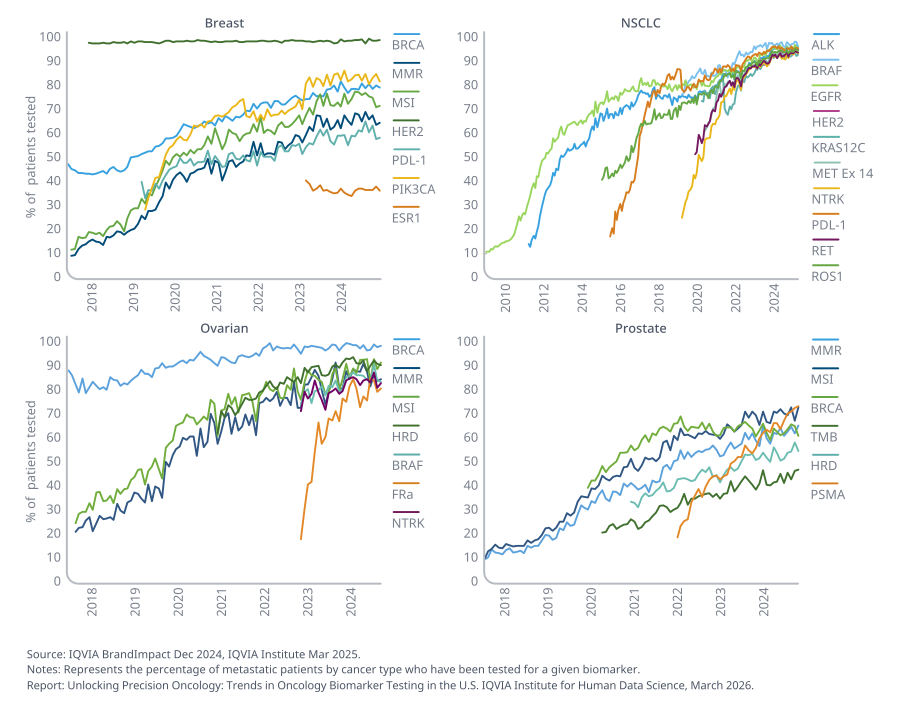
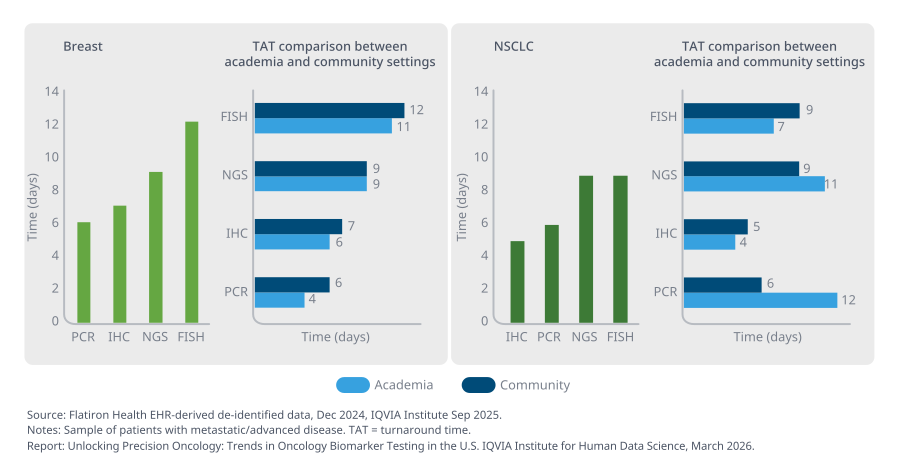
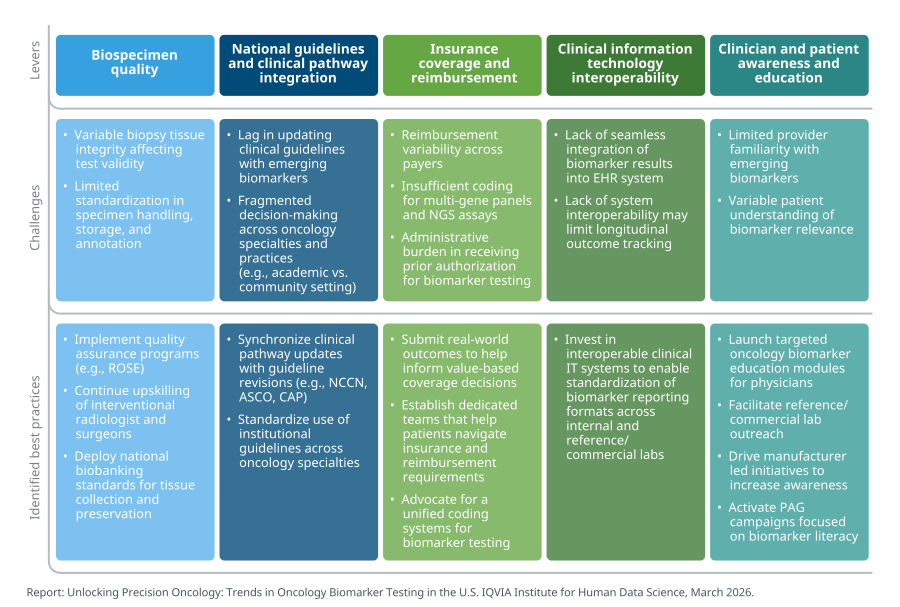
Advances in cellular and molecular oncology have accelerated the adoption of precision medicine, positioning biomarker testing as a cornerstone for delivering targeted therapies across multiple tumor types. Since the previous IQVIA Institute report in 2020, the biomarker testing landscape has evolved, marked by increased testing rates, expanded clinical evidence enabling the identification of novel biomarkers, and broader integration of into national guidelines. However, persistent gaps remain, leaving some eligible patients without timely access to personalized treatments.
Prior IQVIA Institute research published in 2020 identified major barriers that limit biomarker testing for solid tumors in the U.S. The research assessed biomarker testing evolution over time and offered solutions to help reduce the identified testing barriers in oncology.
The purpose of this report is to understand how the biomarker testing landscape has changed since that publication. In addition to NSCLC - which was the primary tumor of focus for the 2020 report - testing rates in breast, ovarian, and prostate cancers are included. Insights obtained from oncologists treating these cancers, pathologists, and lab directors are also discussed.
Focus oncology development on the patient, manage trial complexity, and increase predictability and speed.
Oncology Expertise that Fuels Your Development Success
Access a dedicated network of European cancer hospitals to capture real world data that reflects the latest clinical practice and perform oncology studies faster.