














Thought Leadership & Innovation
Leapfrog the competition by proving the value of your products
This blog is part of an ongoing series, A Brave New World: Therapeutic Area Deep Dives.
As CAR-T therapies and bispecific antibodies expand into overlapping diseases and treatment settings, stakeholders face a more complex challenge than just determining which modality delivers the strongest clinical outcomes. They must navigate where each therapy fits in the treatment pathway while accounting for differences in clinical eligibility, treatment timing, operational requirements, evidence needs, and subsequent therapeutic options. A choice that improves access or accelerates treatment in one setting may carry different implications for sequencing and long-term value in another.
Together, these modalities have redefined expectations for patients with relapsed or refractory blood cancers, producing meaningful clinical advances where conventional therapies have often fallen short. CAR-T therapies have demonstrated the potential for deep and durable responses in heavily pretreated patients, while bispecific antibodies have expanded access to T-cell redirection through a more readily deployable treatment approach. Those distinct value propositions increasingly intersect as approvals extend across hematologic malignancies and lines of therapy.
What began as two distinct innovation pathways is evolving into a shared treatment landscape. For manufacturers, providers, and payers, the relevant decisions increasingly concern how each option is positioned, sequenced, supported, and delivered when both may address similar patient populations.
That overlap shifts differentiation towards how each therapy is used in practice, including patient access, speed to treatment, evidentiary support, and the downstream implications of earlier treatment choices. These considerations are shaped by differences in manufacturing, treatment timing, administration, and site of care.
CAR-T and bispecifics entered the market with distinct clinical and operating profiles. CAR-T therapies introduced an engineered cell therapy approach that harnesses a patient's own T-cells to target cancer, demonstrating deeper and more durable responses. However, their individualized treatment model introduced significant operational complexity, including cell collection, manufacturing, specialized treatment centers, and infusion-based administration. Bispecific antibodies offered an off-the-shelf approach that redirects T-cells without the need for cell collection or genetic modification, enabling broader use of T-cell redirection across treatment settings and reducing many of the logistical barriers associated with CAR-T therapy. In practice, selection between the two treatment options may therefore involve a tradeoff among response depth and durability, treatment timing, safety, access, and operational complexity.
Over time, both modalities expanded beyond their initial footholds. CAR-T therapies secured approvals across additional hematologic malignancies, including chronic lymphocytic leukemia/small lymphocytic lymphoma (CLL/SLL) where bispecific antibodies have yet to establish a comparable presence. Meanwhile, bispecific development has been concentrated within B-cell malignancies and multiple myeloma (MM).
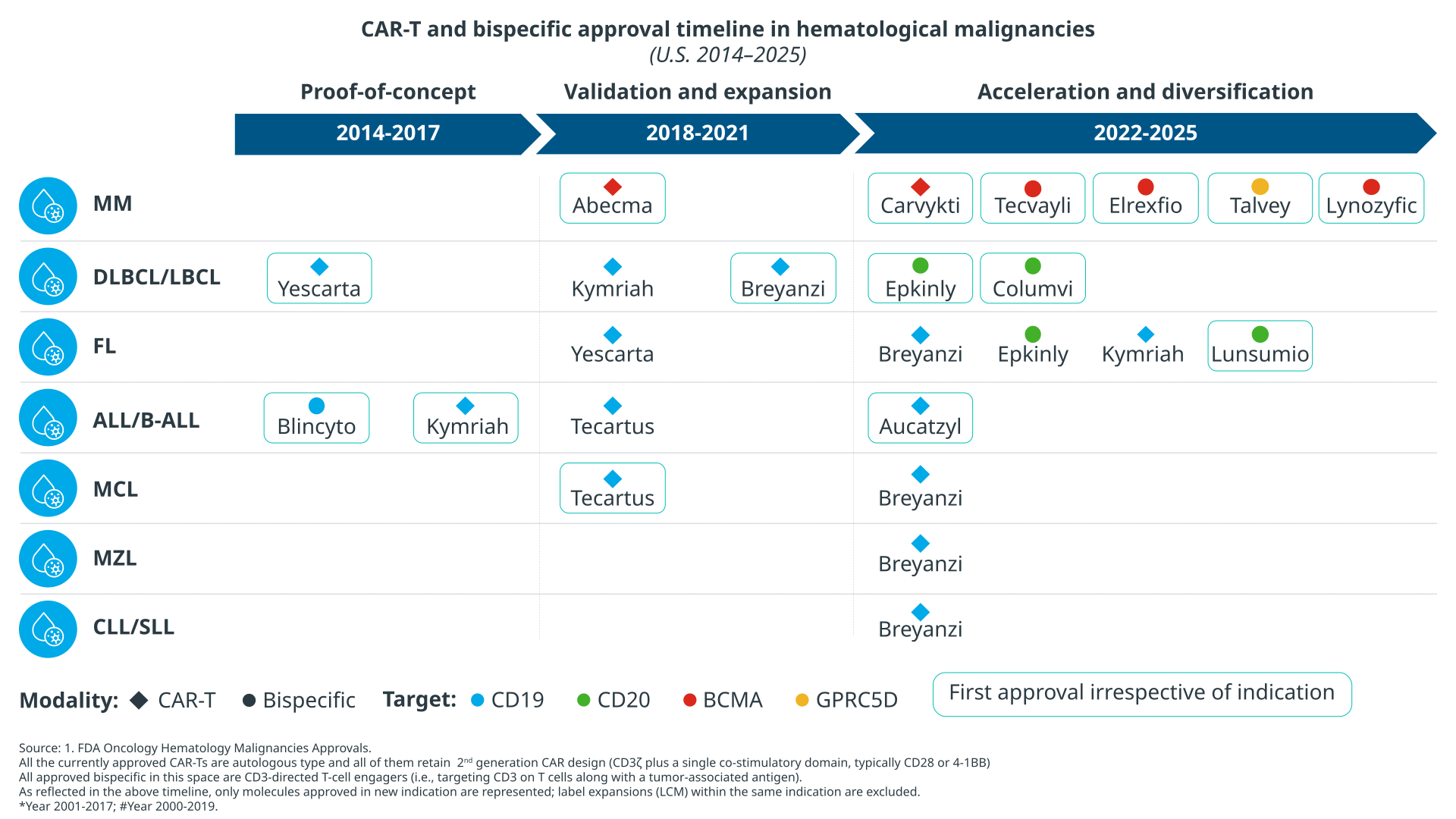
Once both modalities are available within the same disease and treatment setting, their different operating profiles become part of the same treatment pathway decision. Providers may need to weigh the potential benefit of CAR-T against practical implementation considerations and the availability of a bispecific option. Where the modalities are used sequentially rather than concurrently, an earlier choice may also affect the role available to the other later in treatment.
These dynamics are already influencing clinical practice. In diseases such as diffuse large B-cell lymphoma (DLBCL) and MM, where treatment pathways were once relatively limited, clinicians now have multiple T-cell redirecting therapies available for similar patient populations. In MM, for example, both CAR-T therapies and bispecific antibodies are approved in overlapping relapsed/refractory settings, creating multiple pathways to achieve similar treatment goals. Recent guidance from both the National Comprehensive Cancer Network (NCCN) and the American Society of Clinical Oncology (ASCO) includes both modalities as recommended options, while generally positioning CAR-T therapy earlier for certain eligible patients. The presence of both modalities leaves providers weighing disease characteristics, patient eligibility, treatment timing, and access when determining where each therapy fits. In practice, clinical suitability and the ability to deliver treatment can shape pathway position together.
As CAR-T and bispecific antibody markets mature, both modalities are advancing across indications and treatment lines. Expansion into additional indications and earlier treatment lines can extend patient reach, but it also places each product into pathways with different comparators, evidence expectations, and delivery constraints. Lifecycle decisions therefore affect more than label breadth; they determine where an asset can participate in an increasingly connected treatment continuum.
Among approved CAR-T therapies, several products have expanded beyond their original indications, establishing a broader presence across hematologic cancers. At the same time, a growing number of bispecific antibodies are securing approvals across multiple hematologic indications, increasing the availability of T-cell redirecting treatment options for providers and patients alike. As both modalities expand, expansion strategy depends in part on whether a therapy can be supported in the settings where eligible patients receive care.
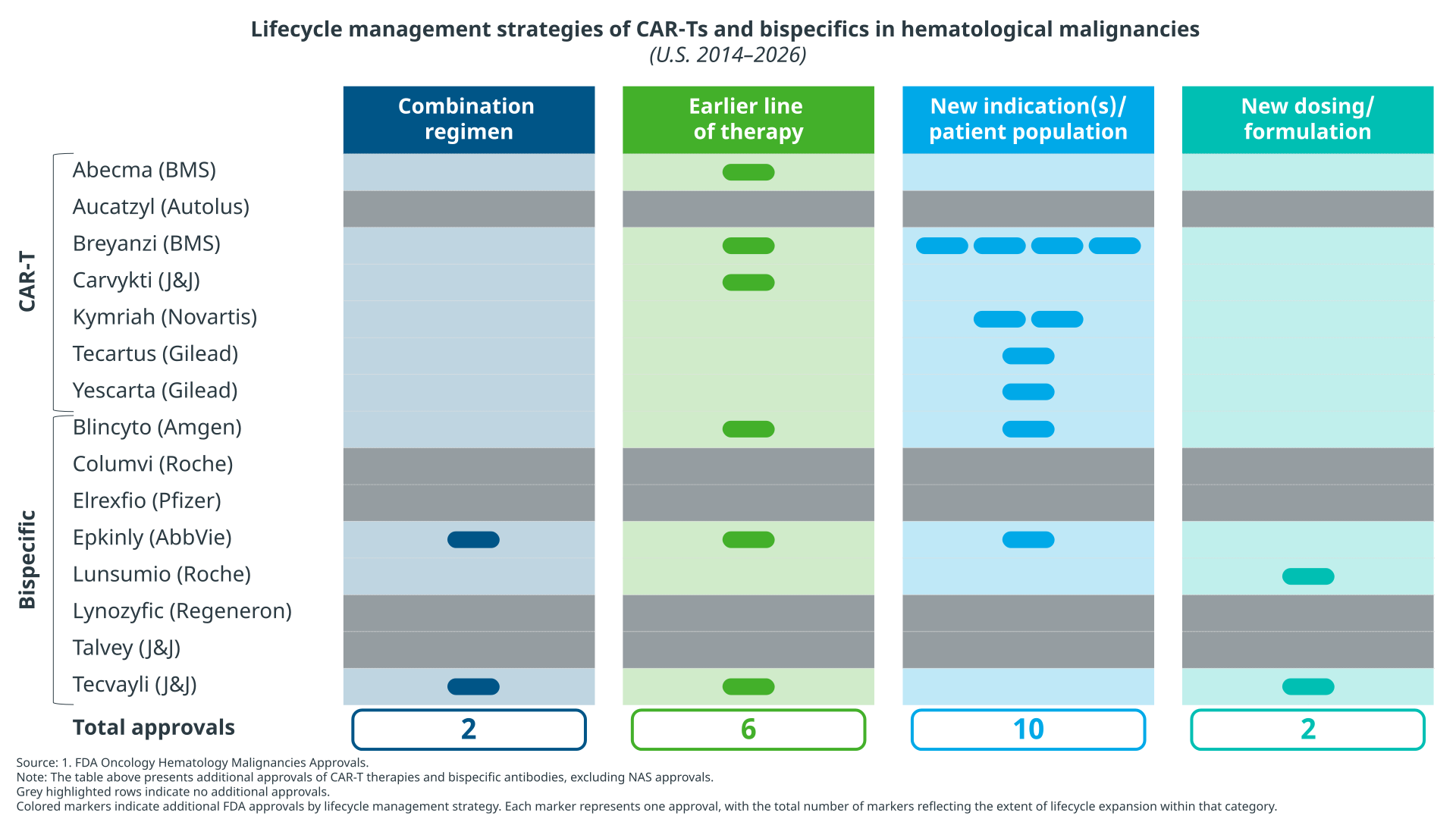
As a result, manufacturers are looking beyond individual products and evaluating how broader portfolios participate across the treatment continuum. Some are building portfolios that span CAR-Ts and bispecifics, which may allow them to participate across more disease stages and treatment decisions. Portfolio breadth alone does not establish an advantage; however, its value depends on whether the assets occupy distinct, evidence-supported roles rather than competing for the same place in the pathway.
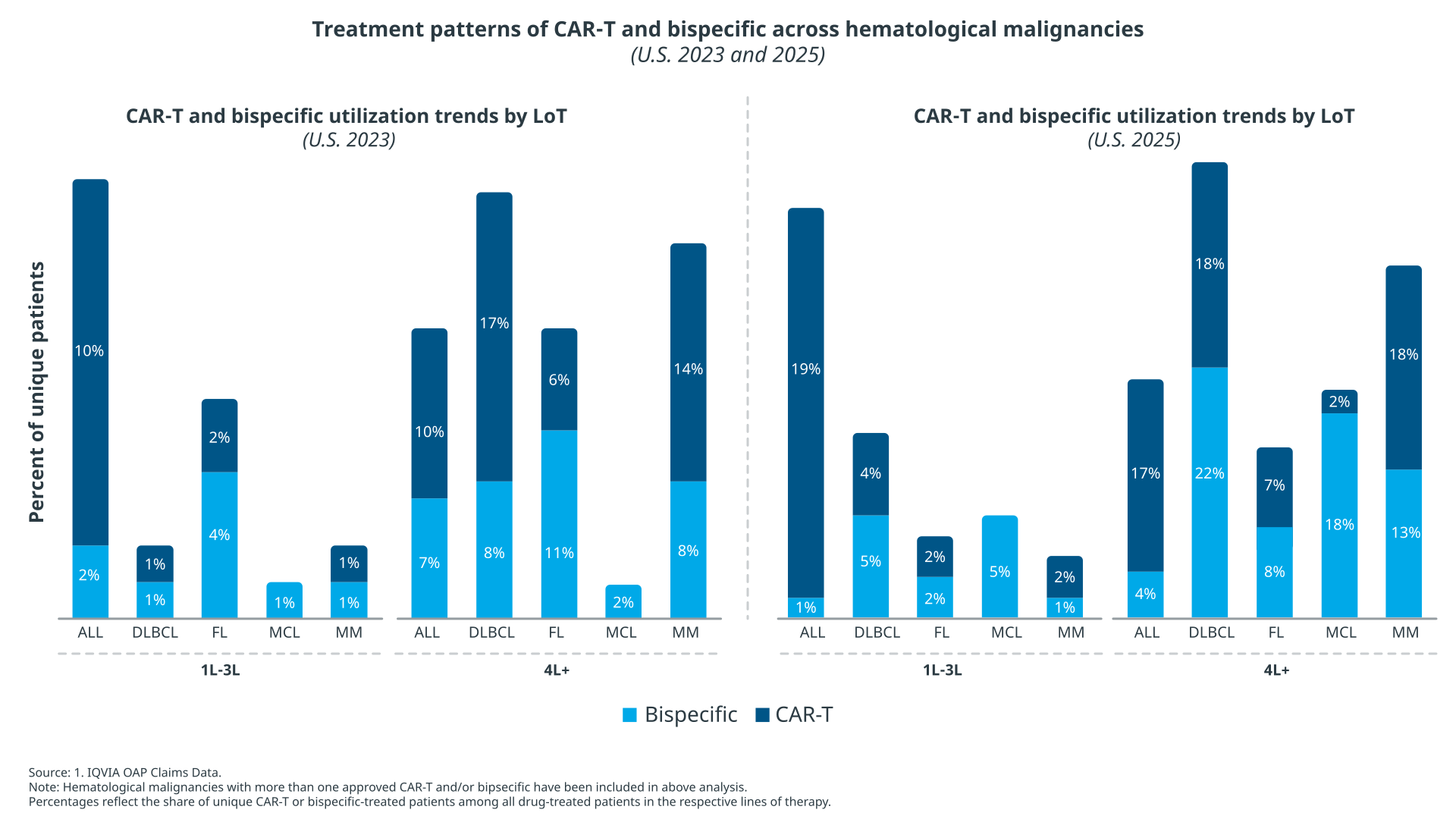
CAR-T and bispecific manufacturers are increasingly competing for the same patients, providers, and lines of therapy. Where providers have multiple T-cell redirecting options, clinical outcomes remain central, but they are considered alongside whether an eligible patient can reach treatment, how quickly therapy can begin, what resources delivery consumes, and how the treatment choice may affect options later in the pathway. Manufacturers may therefore need evidence and operating models that support adoption in practice, not simply differentiation within an individual trial or indication.
Expanding Access from Specialized Centers to Scalable Care
For CAR-T therapies, personalized manufacturing, vein-to-vein timelines, and specialized treatment requirements continue to influence how quickly adoption can expand. Recent regulatory changes, including the FDA's removal of REMS requirements for approved autologous CAR-T, may help reduce administrative complexity, but manufacturing capacity, treatment-center availability, and workforce readiness remain constraints on how many eligible patient can move through the treatment process and how quickly they can begin therapy.
Bispecific antibodies have benefited from a more flexible treatment model. Their off-the-shelf availability supports faster treatment initiation and broader use across community oncology settings where most patients receive care, extending access beyond the academic centers that initially led adoption of T-cell redirecting therapies. This flexibility may broaden access, although adoption still depends on whether a given care setting can support treatment delivery. As both modalities expand into new care environments, delivery performance becomes part of the value assessment.
The Evolving Value Equation
As both modalities move into earlier lines of therapy, their value may be assessed across a longer portion of the patient journey. Providers and payers are placing more importance on durability, toxicity management, healthcare resource utilization, and site-of-care economics alongside clinical outcomes. This is particularly relevant for high-cost therapies such as CAR-Ts, where a significant portion of value may be realized through long-term disease control, reduced retreatment, and avoidance of downstream medical costs. Real-world evidence suggests operational or economic advantages may therefore play a growing role in treatment decision making, particularly as competing therapies target similar patient populations.
Clinical trials establish efficacy and safety under defined conditions, but they may not answer every question created by broader use. Real-world outcomes, economic analyses, and treatment-burden data can help clarify how therapies perform across sites of care, what resources they consume, and where their clinical and economic value is most evident. These questions become more consequential when an earlier treatment choice may influence the options available later.
Sequencing in a Converging Market
Overlap around diseases and targets such as B-Cell Maturation Antigen (BCMA) makes sequencing an evidence question as well as a clinical decision. Providers need evidence that clarifies when each modality may be appropriate and how an earlier treatment choice may influence the options available later. The appropriate sequence is likely to depend on the clinical and operating circumstances in which the decision is made.
For manufacturers, the practical task is to generate evidence that defines an asset’s placement without assuming one sequence will apply across all patients or settings. Comparative outcomes, treatment burden, resource use, and the effect of prior therapy may each inform that placement. This evidence needs to carry into the pipeline, where programs are pursuing improvements in durability, resistance, and delivery.
Pipeline development shows different areas of emphasis across the two modalities. CAR-T programs are focused on multi-antigen approaches intended to address resistance and antigen escape, as well as allogeneic platforms intended to reduce constraints associated with individualized manufacturing. Meanwhile, bispecific and trispecific programs are expanding across both established and novel targets, with some next-generation approaches seeking to improve efficacy or address resistance mechanisms. The clinical and operating profiles that emerge will help determine how these therapies may fit into future treatment pathways.
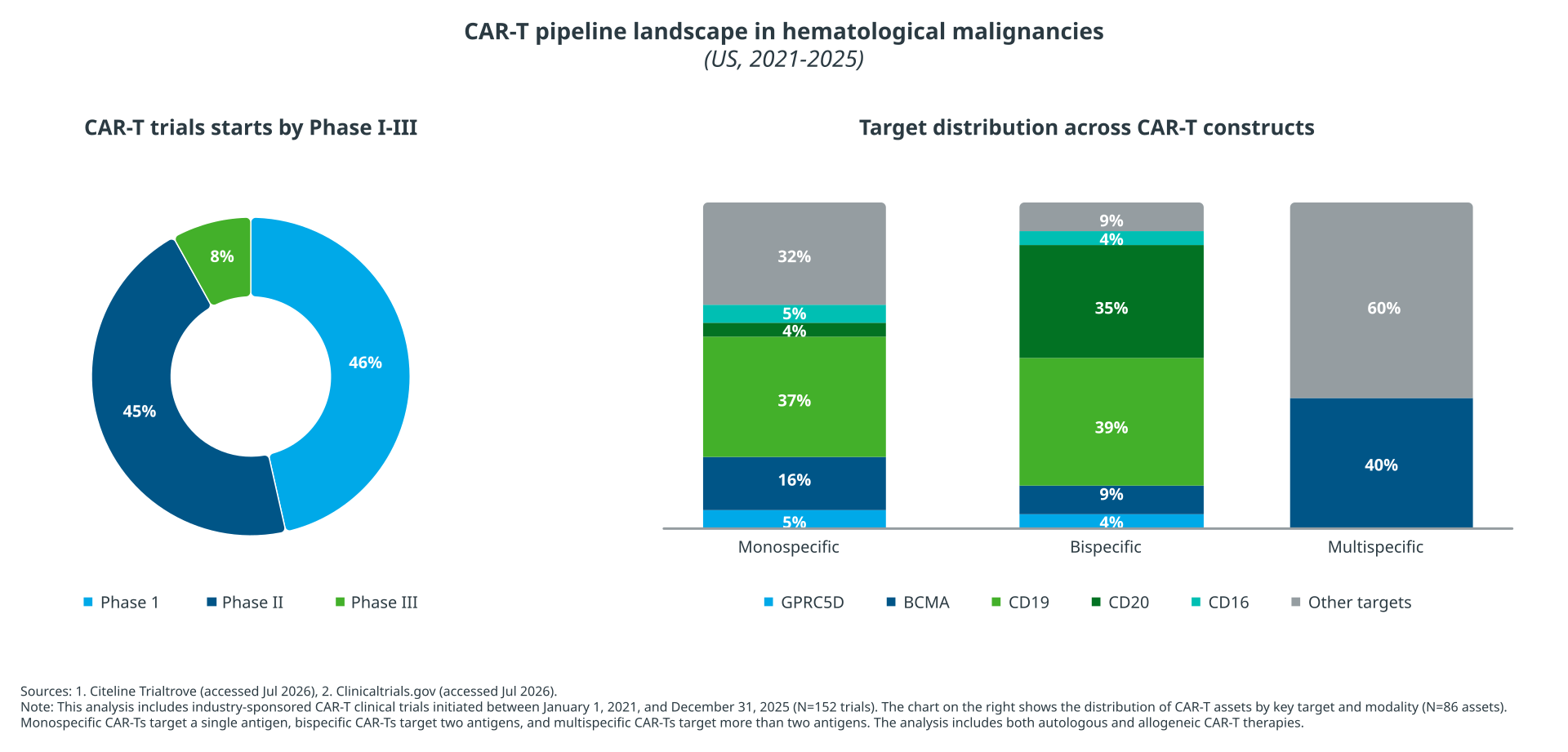
CAR-T pipeline innovation is centered on multi-antigen targeting strategies designed to overcome antigen escape and improve response durability. While monospecific constructs continue to represent the largest share of development activity, development of dual-target and multispecific approaches are gaining momentum, intending to address resistance and extend treatment benefit in diseases such as MM and lymphoma. At the same time, allogeneic platforms are being developed as a potential alternative to individualized manufacturing, with the aim of reducing some of its operational constraints and improving treatment accessibility.
The bispecific landscape is undergoing a similar evolution. Although established targets such as BCMA, CD19, and CD20 continue to anchor development activity, next-generation constructs are incorporating multi-target approaches aimed at improving efficacy and addressing resistance mechanisms. If these approaches produce more durable responses, they may strengthen the role of bispecifics in overlapping disease settings. Whether they create meaningful differentiation will depend on the resulting efficacy, safety, treatment burden, and delivery profile.
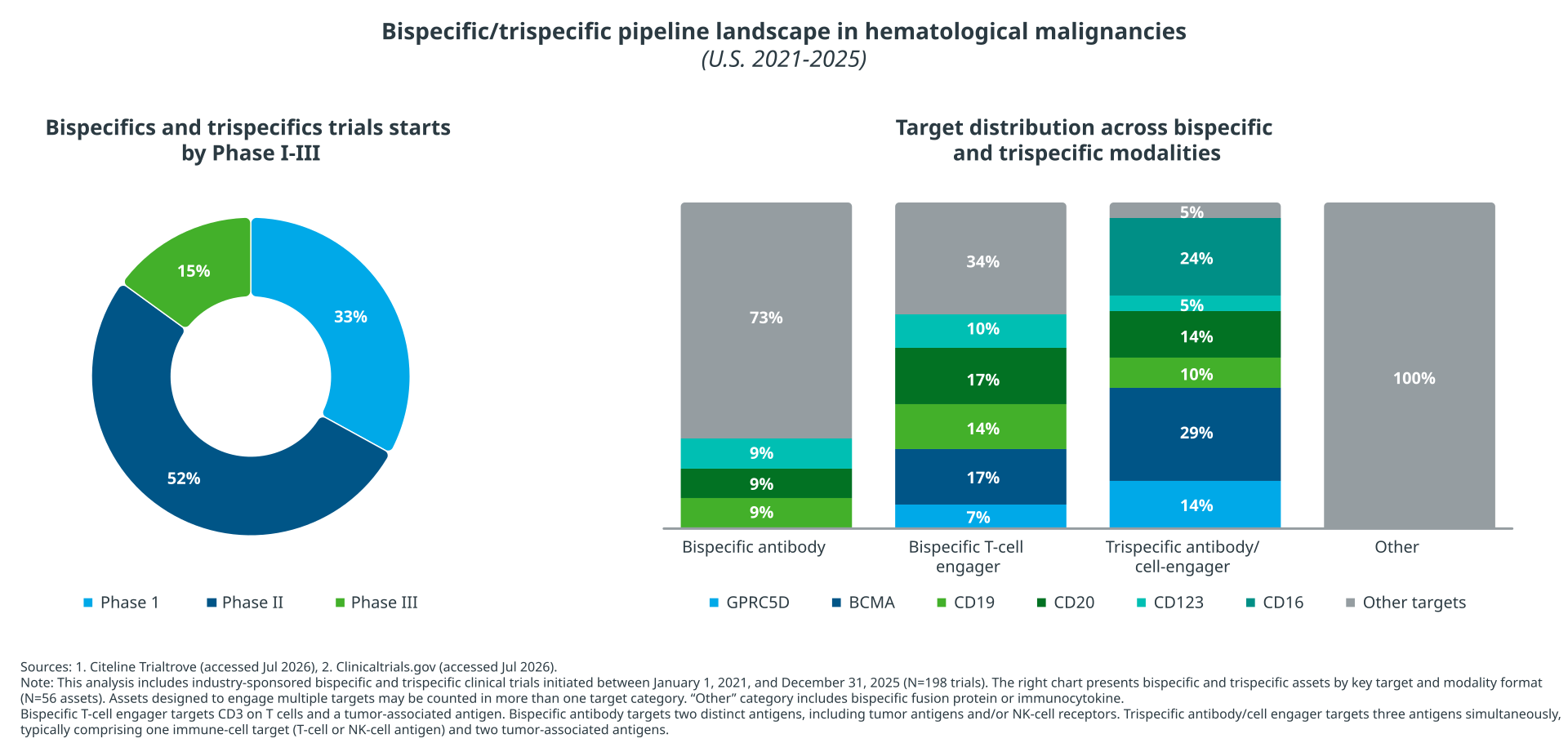
Beyond established targets, late-stage development activity includes programs directed at additional hematologic malignancies. Novel targets such as FcRH5 and CD7 are being studied in resistant disease and areas of unmet need, including T-cell malignancies. The relevance of these programs will depend on whether they produce clinically meaningful results in populations for which current T-cell redirecting options are limited.
Taken together, pipeline innovation is pursuing improvements both in clinical performance and treatment delivery. The value of these approaches will become clearer as evidence shows whether their intended benefits translate into a distinct role within the treatment pathway.
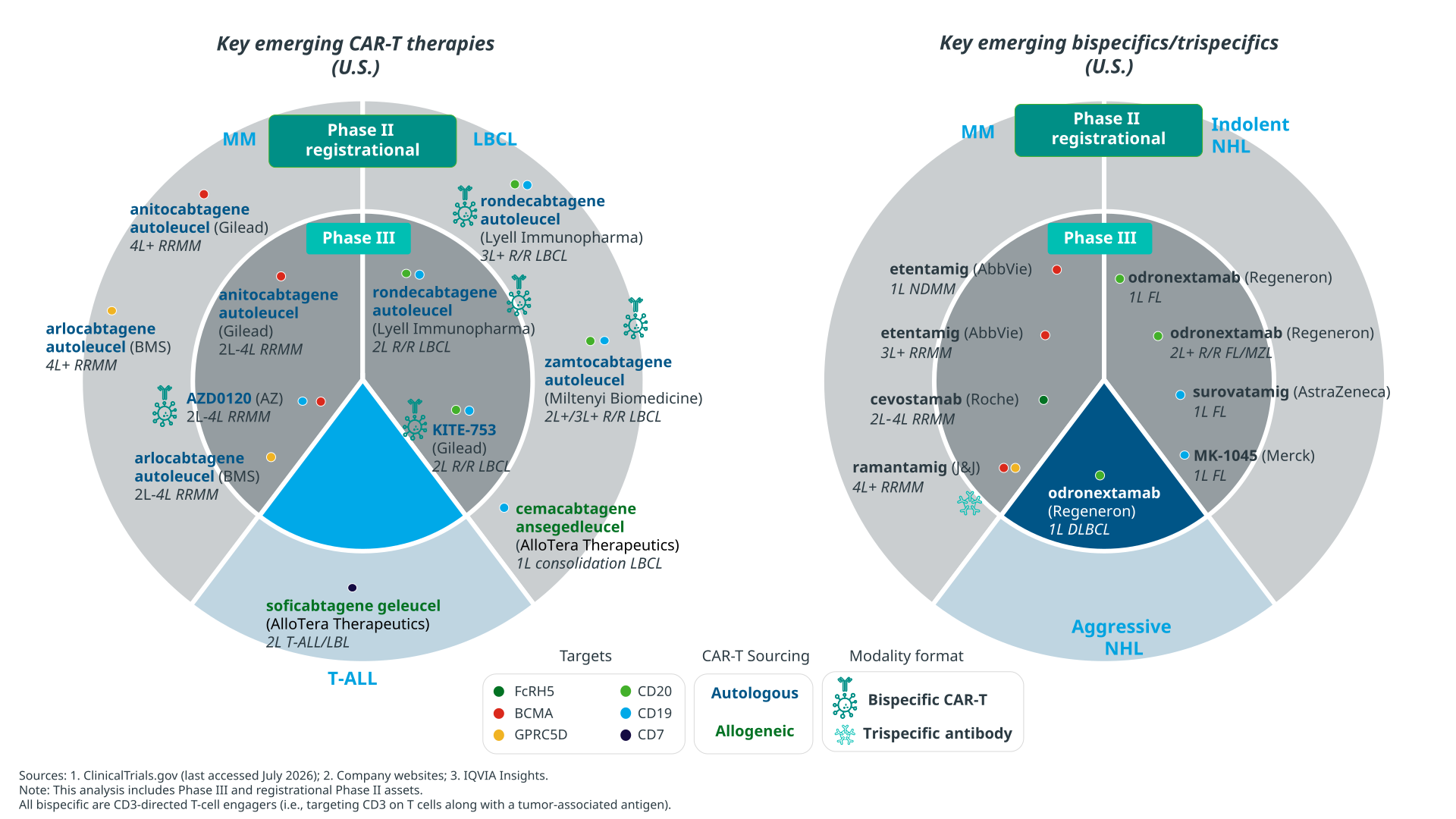
As CAR-Ts and bispecifics move into overlapping diseases, treatment lines, and care settings, their clinical profiles increasingly need to be considered alongside the conditions under which patients reach and receive treatment. The relevant strategic decisions concern where an asset fits in the pathway, what evidence can support that role, which delivery constraints may limit adoption, and whether pipeline investment addresses a consequential unmet need.
The balance will vary by disease, patient population, and treatment setting. CAR-Ts may offer the potential for deep and durable response while carrying manufacturing and site-capacity constraints. Bispecifics may offer faster availability and broader delivery while carrying their own administration, monitoring, and treatment-burden considerations. Evidence that clarifies those tradeoffs can support more credible decisions about access, sequencing, and investment.
For manufacturers, portfolio breadth may create more opportunities to participate across the treatment continuum, but it does not resolve where each asset belongs. Clinical development, evidence generation, access planning, and delivery strategy need to support a distinct role for each therapy within the pathway.
Contact IQVIA to discuss how evidence generation, access planning, and commercialization strategy can support a clearer role for CAR-T and bispecific assets within evolving treatment pathways.
List of abbreviations used:
CAR-T: Chimeric Antigen Receptor T-cell Therapy
BCMA: B-Cell Maturation Antigen
CLL: Chronic Lymphocytic Leukemia
DLBCL: Diffuse Large B-Cell Lymphoma
SLL: Small Lymphocytic Lymphoma
MM: Multiple Myeloma
LBCL: Large B-Cell Lymphoma
FL: Follicular Lymphoma
ALL: Acute Lymphoblastic Leukemia
B-ALL: B-Cell Acute Lymphoblastic Leukemia
MCL: Mantle Cell Lymphoma
MZL: Marginal Zone Lymphoma
REMS: Risk Evaluation and Mitigation Strategy
RRMM: Relapsed/Refractory Multiple Myeloma
R/R: Relapsed/Refractory
NHL: Non-Hodgkin Lymphoma

This blog is part of an ongoing Brave New World series focused on how oncology is evolving and what that means for clinical and commercial strategy. Topics include the modern oncology landscape, the shifting roles of community vs. academic organizations, post ASCO perspectives, tumor specific deep dives, the growing impact of advanced modalities (CAR T and bispecifics), and what’s next in oncology innovation. You can find all Brave New World content in the U.S. Insights Library.
Leapfrog the competition by proving the value of your products