






.svg)











Stay ahead with the EMEA Thought Leadership insights: your source for industry-leading expertise and analysis
Blog
Mastering the Messaging: Engaging with HCPs on Obesity
Feb 27, 2026
Introduction
The global obesity market has completely transformed in recent years with the launches of Novo Nordisk’s Wegovy (semaglutide) and Eli Lilly’s Zepbound/Mounjaro (tirzepatide, as branded for obesity in the US and Europe respectively) – highly effective medications which can lead to 15–25% weight loss. These products made history as the fastest ever prescription medicine launches in the US1 and continue to attract unprecedented demand. For example, an estimated 2 million patients in the UK currently take them.2 The landscape will continue to evolve significantly in the coming years: notable new launches in 2026 include the first oral agents, as well as the first off-patent semaglutide products in some markets. Soon after, Novo Nordisk and Lilly will be joined by other players launching innovative obesity therapies.3
Here, we analyse the messages that healthcare professionals (HCPs) recall from over 14,000 real-world interactive engagements with sales representatives for these two obesity brands, using IQVIA’s ChannelDynamics® data. We focus specifically on the EU4, UK and US, and explore key questions such as: what messages do HCPs most frequently recall from these engagements, which themes are associated with increased intent to prescribe, how does messaging vary by country, and how is it evolving over time? Whilst individual HCPs may not comprehensively record all content covered in an interaction, large-scale analysis enables us to develop a deep understanding of the messaging and draw comparisons across brands, countries and specialties (see Methodology for more detail). These insights are critical for the companies behind the 192 assets currently in the obesity pipeline, in order to optimally position and launch into what will become a highly complex, competitive and fragmented market.
Early conversations were dominated by class-level education; differentiation was secondary
HCPs’ verbatim comments about their interactions with sales representatives indicate that up to August 2025, Novo Nordisk and Eli Lilly primarily focused on educating HCPs about the new levels of weight loss achieved by these agents. For example, Figure 1 shows that the top messages recalled by HCPs include obesity/weight loss (mentioned or alluded to in over 50% of comments for each brand) and efficacy in weight loss. Many HCPs quoted a weight loss statistic: for example, one general practitioner (GP) in Spain summarised the information they received on Wegovy as “weight loss of up to 17%; decreased appetite.”
This messaging has been important because of the step change that Wegovy and Mounjaro/Zepbound have brought to pharmacotherapy-based obesity treatment, delivering levels of weight loss not previously seen alongside broadly favourable safety and tolerability profiles. Some previous weight loss drugs were even withdrawn from the market following serious safety issues, such as Fen-Phen, withdrawn by the FDA in 1997.4 As a result, educating HCPs about these new, highly efficacious obesity agents, including their safety profiles and broader health benefits, is critical. In addition, practicalities have been a key area of focus for both brands: HCPs frequently record details about dose, route of administration and reimbursement. Together, these patterns suggest that early market leaders invested heavily in shaping an understanding of the benefits of these products for obesity.
Figure 1: Most common themes in messages to HCPs, according to verbatim comments
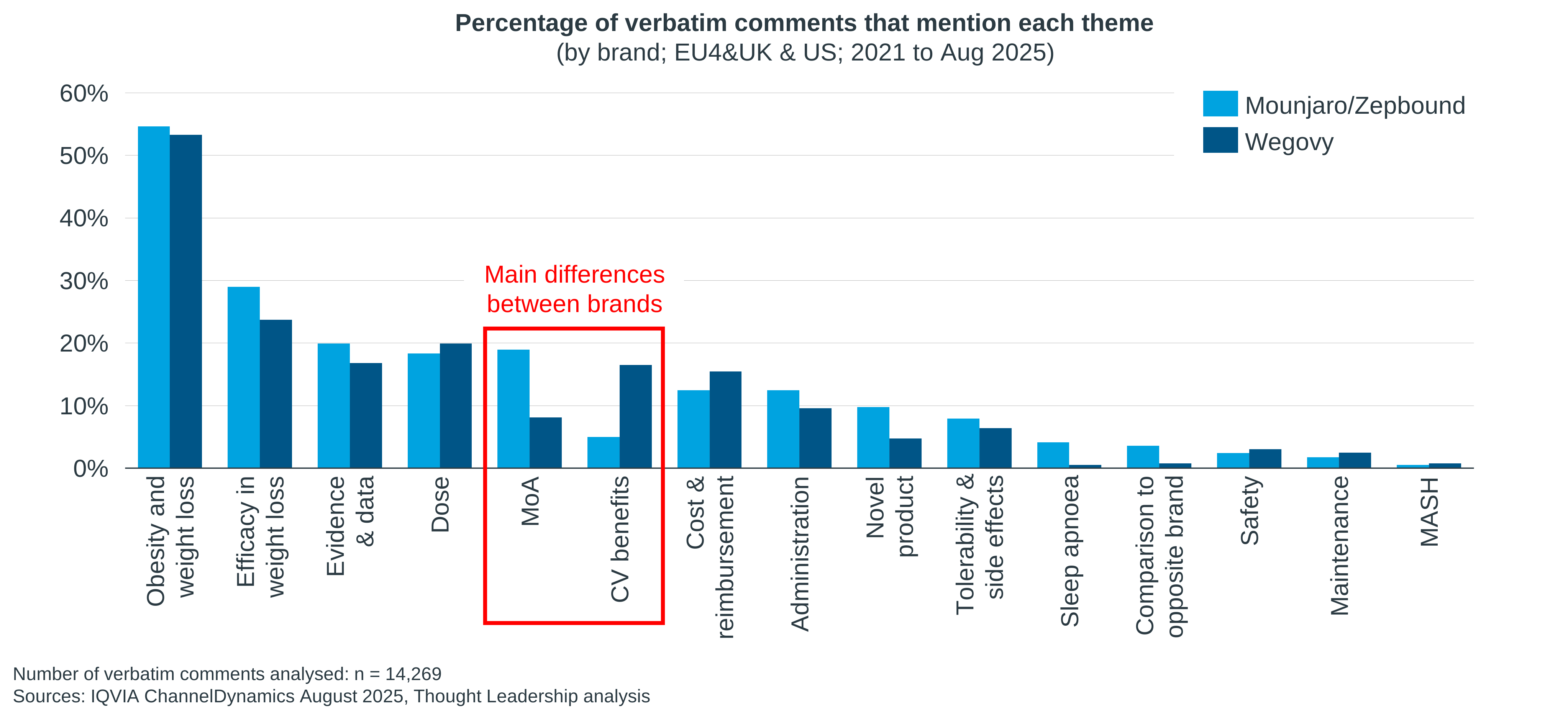
There are also differences between the brands’ messaging, especially relating to their labels. Verbatim comments indicate that cardiovascular benefits are emphasised particularly for Wegovy. For example, a diabetologist/endocrinologist in Italy noted that “in addition to weight, the SELECT study demonstrates the benefits on cardiovascular protection.” For Mounjaro/Zepbound, the mechanism of action (MoA) is a greater area of focus, with one GP in Germany recording that Mounjaro is a “dual agonist (GIP and GLP-1) for more effective HbA1c reduction and weight reduction.” Obstructive sleep apnoea (OSA) is also frequently mentioned by HCPs in the US, corresponding to FDA approval of Zepbound for OSA in December 2024.
Differentiating messages are becoming more important
As HCPs become more familiar with these agents, their unique points of differentiation will undoubtedly need to become more central to customer engagement strategy. This will be even more critical when new obesity agents launch and the market begins to fragment.
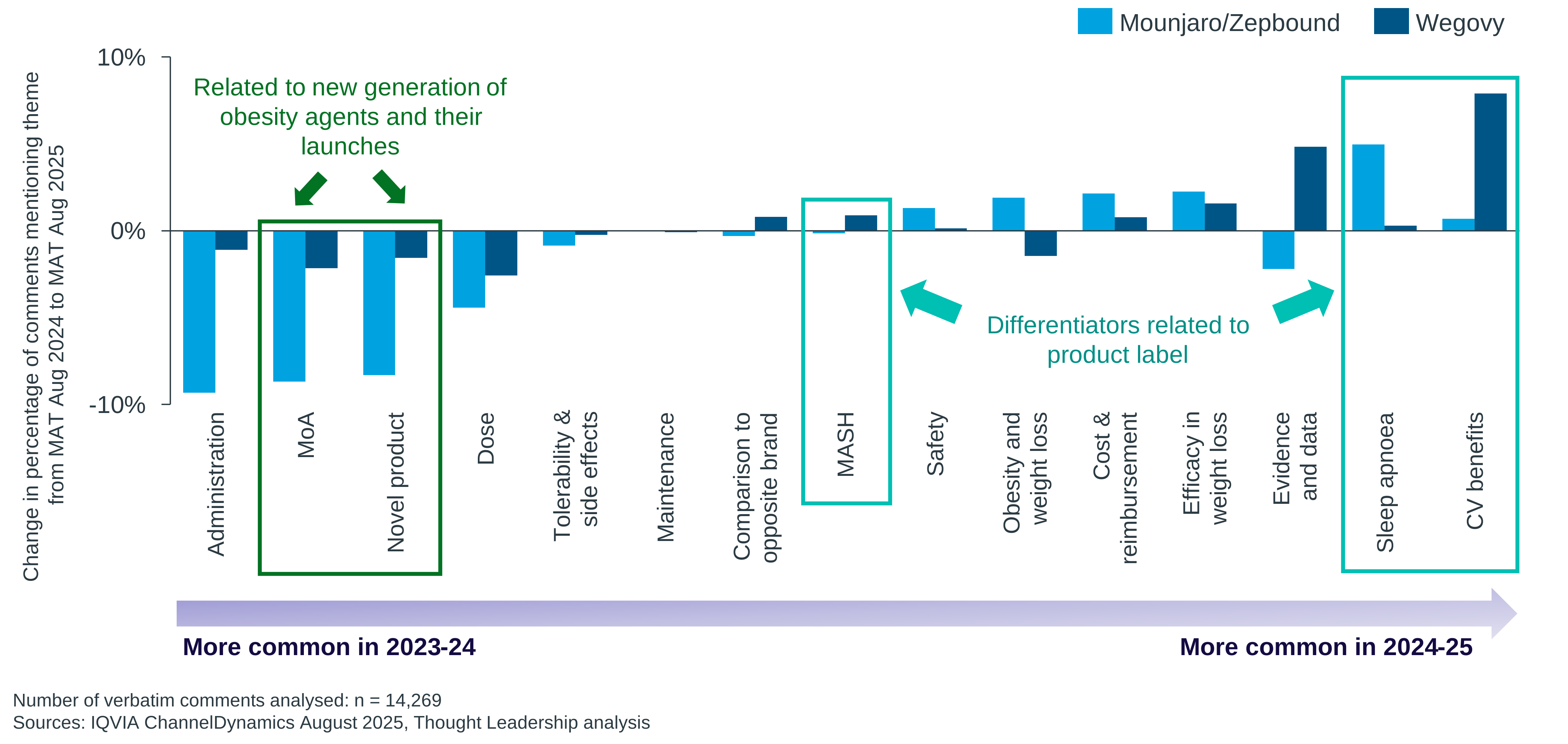
Already, both Novo Nordisk and Lilly are shifting their focus towards differentiation, as illustrated in Figure 2. According to HCPs’ verbatim comments, messages on route of administration, mechanism of action, novelty and dose were far less common in the year to August 2025 than the previous year, especially for Mounjaro/Zepbound. Instead, there is growing emphasis on specific benefits and label expansions, including OSA for Zepbound, and cardiovascular benefits for Wegovy (corresponding to labels for cardiovascular risk reduction in 2024). MASH and related liver conditions are already emerging as a new theme for Wegovy, corresponding to FDA label expansion in August 2025. These products could transform treatment for a number of conditions beyond obesity, and may start to replace the standard of care in some indications: an HCP in the US recorded that Zepbound is “indicated for the treatment [of] OSA, which can be tried before initiating CPAP therapy.”
Figure 2: The focus is already shifting towards unique differentiators
Going forwards, evidence will also play a significant role in brand differentiation, including real-world evidence on the impact in diverse populations and everyday care settings. In addition, new launches will cause further message themes to emerge in 2026, including on orals versus injectables, as well as treatment portfolios, as both companies will have an oral and a new injectable with increased efficacy (CagriSema and retatrutide) in addition to their original product. These discussions will undoubtedly include weight maintenance – an issue which is becoming relevant to a growing number of patients and already has widespread media coverage.
Which messages are most impactful?
In order to infer which messages lead HCPs to prescribe these products frequently, we have defined two cohorts of HCPs and compared their respective verbatim comments. One cohort comprises HCPs who state that they intend to continue prescribing the product frequently or increase their prescribing (“converted” HCPs), whilst HCPs in the other cohort state that they do not.
As shown in Figure 3, the themes that differentiate these cohorts are very similar across the two brands. For both Wegovy and Mounjaro/Zepbound, efficacy in weight loss was mentioned more frequently by the cohort of HCPs who were converted, which suggests this message is associated with high intent to prescribe. This underscores the value that HCPs attribute to this simple message, and perhaps in some cases HCPs are also influenced by their prior beliefs about the role of medication in weight management. For Wegovy, cardiovascular benefits follow closely as the second most prominent theme associated with high conversion.
Figure 3: Messages that are/are not associated with high intent to prescribe
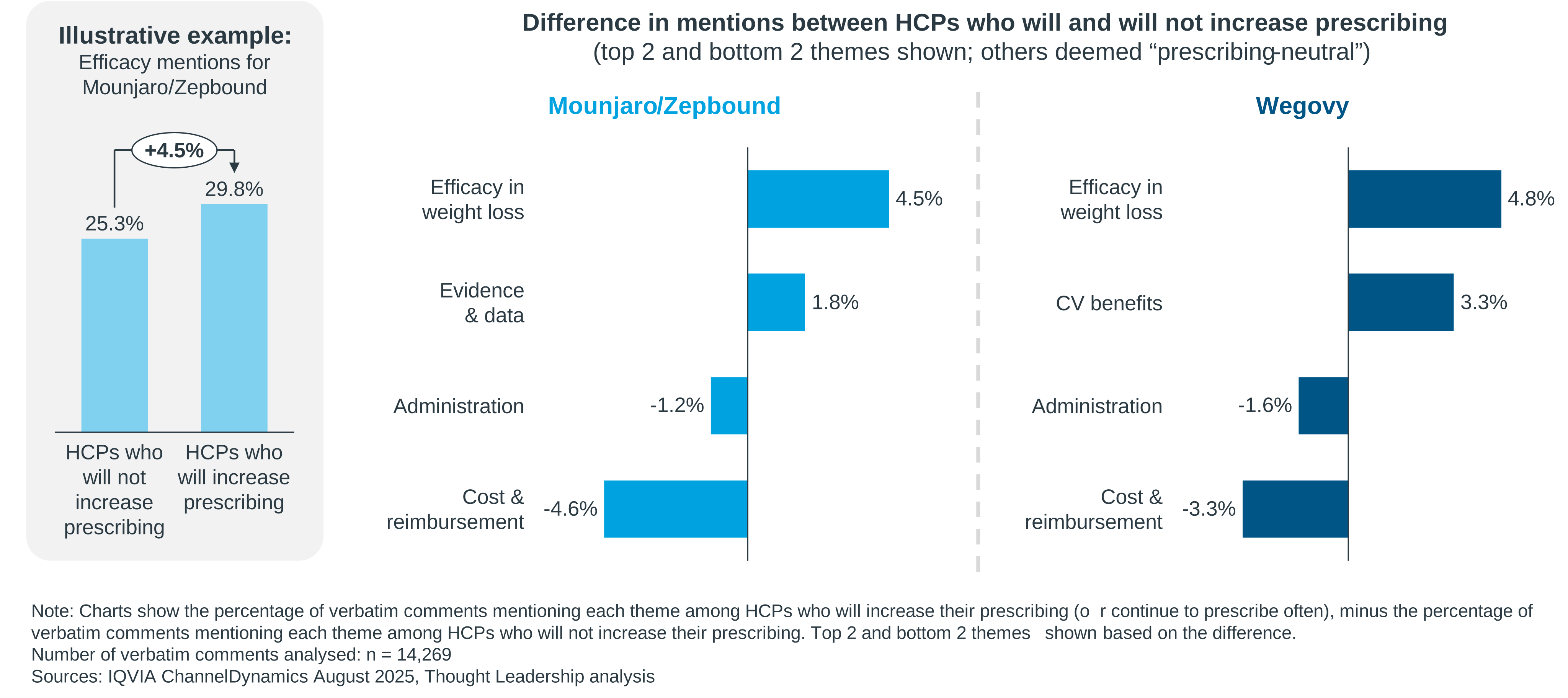
Similarly, the two themes that are most strongly associated with low intent to prescribe are also consistent across both brands: these are cost/reimbursement, and route of administration. These features may not be deemed attractive (e.g. HCPs often mention the lack of public reimbursement coverage, and for many patients an injectable may be inconvenient). They are also practical points which are not directly linked to patient benefits. However, this sentiment may be dramatically different for the first oral agents – oral Wegovy and orforglipron – expected to enter these markets in the coming months. Oral Wegovy has already launched in the US and early uptake has been rapid.
How does messaging differ by market and specialty?
High-level analysis reveals distinct heterogeneity in messaging across both specialties and countries. Strikingly, cardiologists are the only specialty to consistently recall cardiovascular benefits as a key message theme: 21% of cardiologists’ comments reference cardiovascular benefits or related trial data, in contrast to under 10% for GPs/internal medicine doctors/family physicians and diabetologists/endocrinologists. This may reflect targeted messaging, but perhaps cardiologists are also more likely to mention cardiovascular benefits when summarising the key points discussed.
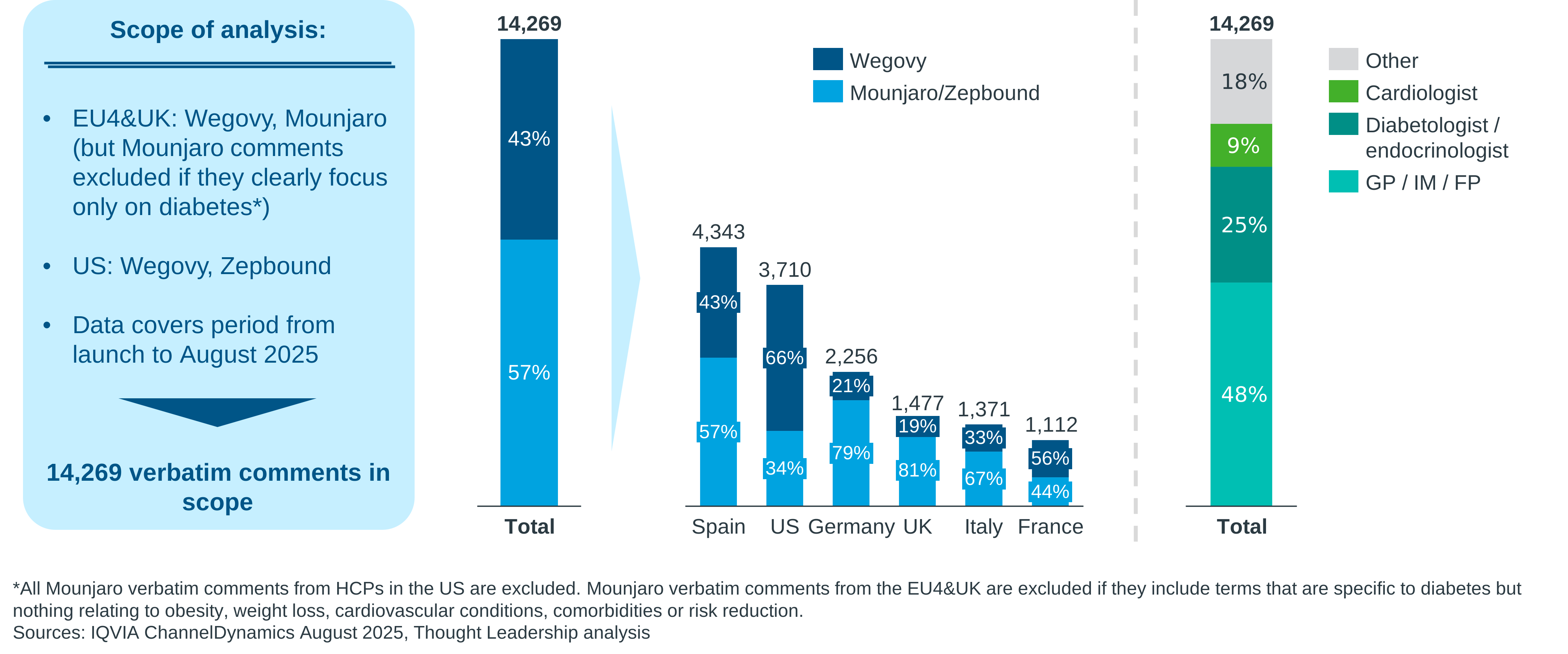
Across the EU4, UK and US, efficacy in weight loss and dosing information are consistently recalled as key messages (Figure 4). There is generally an emphasis on clinical evidence, whilst cardiovascular benefits do not appear to be prioritised in any country. However, there are also some major differences between countries, and these partly reflect the unique mixture of specialties and brands represented in the data. For example, Italy has a relatively high proportion of comments from diabetologists/endocrinologists, whilst in the UK, there are far more comments relating to Mounjaro than Wegovy (Figure 5). Figure 4 therefore reflects the conversations taking place in each country.
Figure 4: The substantial variation in messaging across countries
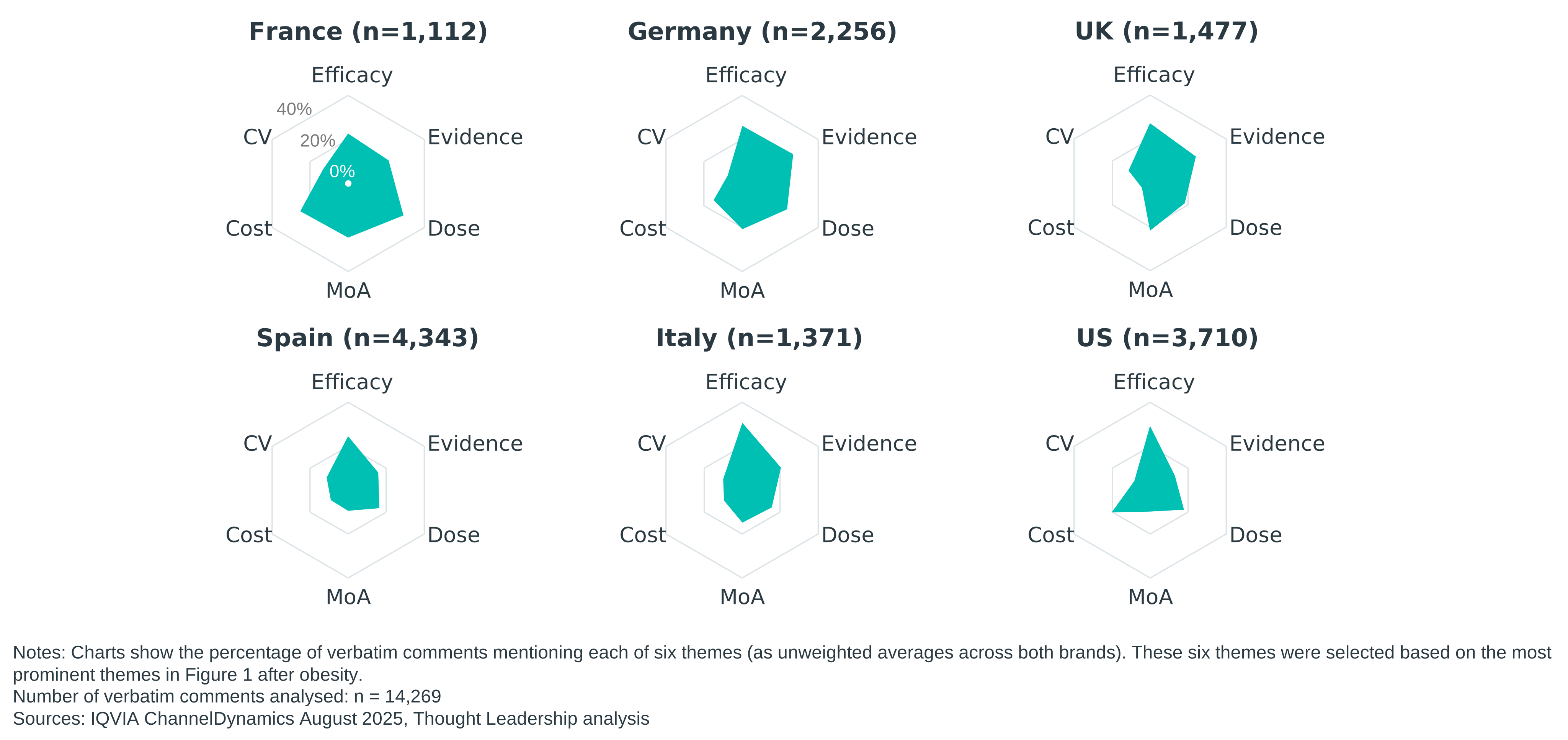
Each of these countries has unique dynamics, including differing levels of obesity market maturity. The US stands out as having a unique and arguably simple combination of key messages, despite its relatively mature obesity market, focusing on efficacy in weight loss and practical considerations. In France, the most prominent themes in Figure 4 include MoA and dose – themes associated with early-stage obesity discussions and education. This reflects the relative immaturity of the obesity market in France: Wegovy and Mounjaro launched later in France than in any of these other countries, and uptake has been relatively slow for several reasons, including that GPs have only been able to initiate treatment since June 2025.5
The variation between countries underlines the importance of maintaining a deep understanding of each market, including HCP experience and awareness, so that the messaging can be appropriately tailored. This is especially true of a therapy area that is evolving at such pace.
Conclusion
The key themes that emerge from HCPs’ verbatim comments about Wegovy and Mounjaro/Zepbound reflect both manufacturers’ messaging and HCPs’ recall, providing valuable insight into the issues that are front-of-mind following sales interactions. The findings suggest that the market leaders have invested considerable time and effort in educating HCPs about this new generation of obesity therapies.
Despite this, there are signs that the messaging has been shifting to focus more on brand-specific differentiation, especially new labels. This will become increasingly important as these agents continue to expand into new indications and accumulate real-world evidence, but also as new competitors enter the market. Both Lilly and Novo Nordisk will soon enter a phase where they have portfolios rather than single products, creating new challenges around co-positioning and customer communication. With treatment choices becoming more complex, HCPs will increasingly need support in understanding how to select the most appropriate therapy for individual patients, many of whom have multiple comorbidities. Customer-facing teams therefore have an important role in educating HCPs about each brand’s unique areas of value.
As the treatment landscape for obesity continues to develop at great pace, it is critical for innovators to understand how conversations with HCPs are evolving and which messages resonate most strongly. With many HCPs now turning to AI for up-to-date information on prescription medicines, the time sales representatives spend with HCPs is becoming ever more valuable. Making best possible use of this time requires a carefully tailored customer engagement strategy built around the most relevant and compelling messages.
Methodology
The data used for this analysis is from IQVIA’s ChannelDynamics® database, which captures spontaneous HCP recall of messages communicated during interactions with customer engagement teams. HCPs responded to one of the following two prompts, depending on the type of interaction:
- “Please describe, in as much detail as possible, all of the points communicated by the representative during the product presentation. NB: please do not mention any adverse events or personal information”
- “Regarding this product, what type of information was brought to your attention? NB: please do not mention any adverse events or personal information.”
The scope of this analysis is limited to verbatim comments about interactive engagements, specifically: traditional face-to-face detailing, traditional meetings, telephone-based detailing, remote digital detailing with a representative, and live digital meetings. The brands in scope are Wegovy, Mounjaro (outside the US), and Zepbound (US only). However, we excluded any Mounjaro comments that focused only on diabetes, because Mounjaro has EMA and MHRA labels for both diabetes and weight management, and our intention was to focus on use in obesity.
The timeframe spans from product launch to August 2025. In total, 14,269 verbatim comments are in scope, illustrated in Figure 5.
Figure 5: Over 14,000 HCP verbatim comments analysed for Wegovy and Mounjaro/Zepbound, across multiple countries and specialties
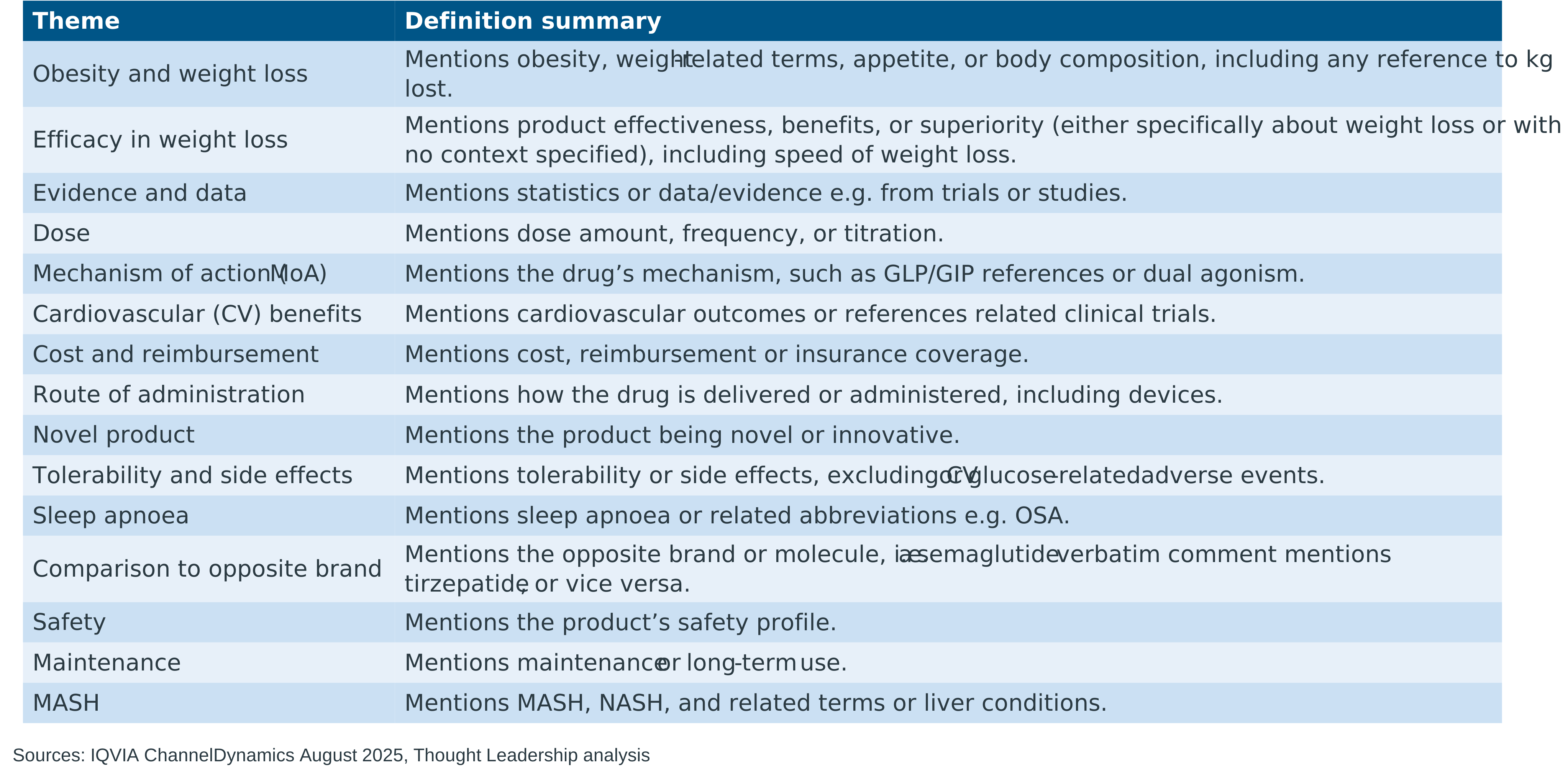
The verbatim comments were translated into English where applicable, and then the themes in Figure 6 were identified as either present in or absent from each comment. These message themes were defined in detail using a combination of key words, context requirements, and exclusion criteria. It should be noted that HCPs provided varying levels of detail in their comments, which led to some country-level differences. For example, the median word count of the translated comments was lowest for Spain, followed by the US and Italy, and similar for the remaining three countries.
Figure 6: High-level definition of each theme
To learn more about IQVIA's ChannelDynamics data, click here.
References
1How Data and AI Transform Brand Strategy, IQVIA blog, October 2025:
https://www.iqvia.com/locations/united-states/blogs/2025/10/how-data-and-ai-transform-brand-strategy
2IQVIA data
3Outlook for Obesity in 2026: From Consolidation to Acceleration, IQVIA blog, January 2026:
https://www.iqvia.com/locations/emea/blogs/2026/01/outlook-for-obesity-in-2026
42024: The obesity market’s inflection point?, IQVIA blog, February 2024:
https://www.iqvia.com/locations/emea/blogs/2024/10/2024-the-obesity-markets-inflection-point
5The Potential for the Private Prescription Market in Europe, IQVIA white paper, October 2025:
https://www.iqvia.com/locations/emea/library/white-papers/the-potential-for-the-private-prescription-market-in-europe