














Patient Engagement and Support
Effectively engage with patients to help improve adherence, drive better disease understanding, and deliver treatment value.
This blog is part of the series, A Brave New World: State of the Industry, on modern market dynamics influencing the life sciences industry.
For those living in rural communities, maintaining optimal health can require navigating obstacles at every step of the care continuum, from preventive services to acute treatment. Routine care may be available nearby, but the recommended specialist could be hours away. A virtual appointment may seem like an alternative until unreliable broadband makes connecting difficult. If a condition suddenly worsens, the nearest hospital may not have the beds, clinicians, or critical care services needed to provide treatment. Care may exist, but distance, infrastructure, and limited local capacity can place it out of practical reach.
Behind each of these measures of rural access is a patient calculating whether an appointment is possible. The decision may require arranging transportation, taking time away from work, finding coverage for family responsibilities, or determining whether another long trip can be managed. These burdens do not occur in isolation. They accumulate as patients move from routine disease management to specialty and acute care, shaping whether care is received promptly, delayed, or missed altogether. Harnessing real world data to understand both the access and quality of care is essential to identifying where interventions are most needed and if innovation is reaching those that need it most.
The ability to access consistent chronic disease care is particularly important in rural communities, where high disease burden increases the need for sustained monitoring, medication management, preventive services, and timely intervention. A single appointment does not address these needs because chronic conditions require continuity across months and years, making the availability and capacity of the local healthcare workforce central to outcomes.
Nurse practitioners and physician associates (NP/PAs) play an especially important role in maintaining that continuity. In rural areas, their impact continues to grow year over year, reaching nearly 40% of providers in 2025 and prescribing 1 in 2 prescriptions. Their rising role helps preserve access in many communities where physician availability is limited and shrinking. However, sustaining chronic disease care across large geographic areas requires more than expanding the workforce. Rural care teams also need tools that extend their reach beyond the walls of a clinic and help patients remain connected to care between visits.
Remote patient monitoring (RPM) is one such tool that allows clinical teams to track physiologic measures between visits, making it important for chronic disease management. By giving patients visibility into their own clinical values, RPM can also reinforce healthy behaviors and help patients see how actions such as medication adherence affect their health. This greater awareness can strengthen adherence and support more active participation in care.
At the same time, RPM transmits patient data to providers, enabling them to evaluate treatment response, identify concerning changes, and adjust care when needed, including escalating treatment. This continuous connection can strengthen patient-provider communication and help reduce avoidable hospitalizations. These capabilities are especially valuable in rural communities, where distance and workforce constraints make frequent in-person follow-up difficult. However, data shows that while total utilization of RPM increased substantially, from 1.6 million in 2020 to 14.5 million in 2025, the expansion has primarily been concentrated in metro areas. Growth in rural and small-town areas remained much lower, leveling out over the last five years with limited growth.
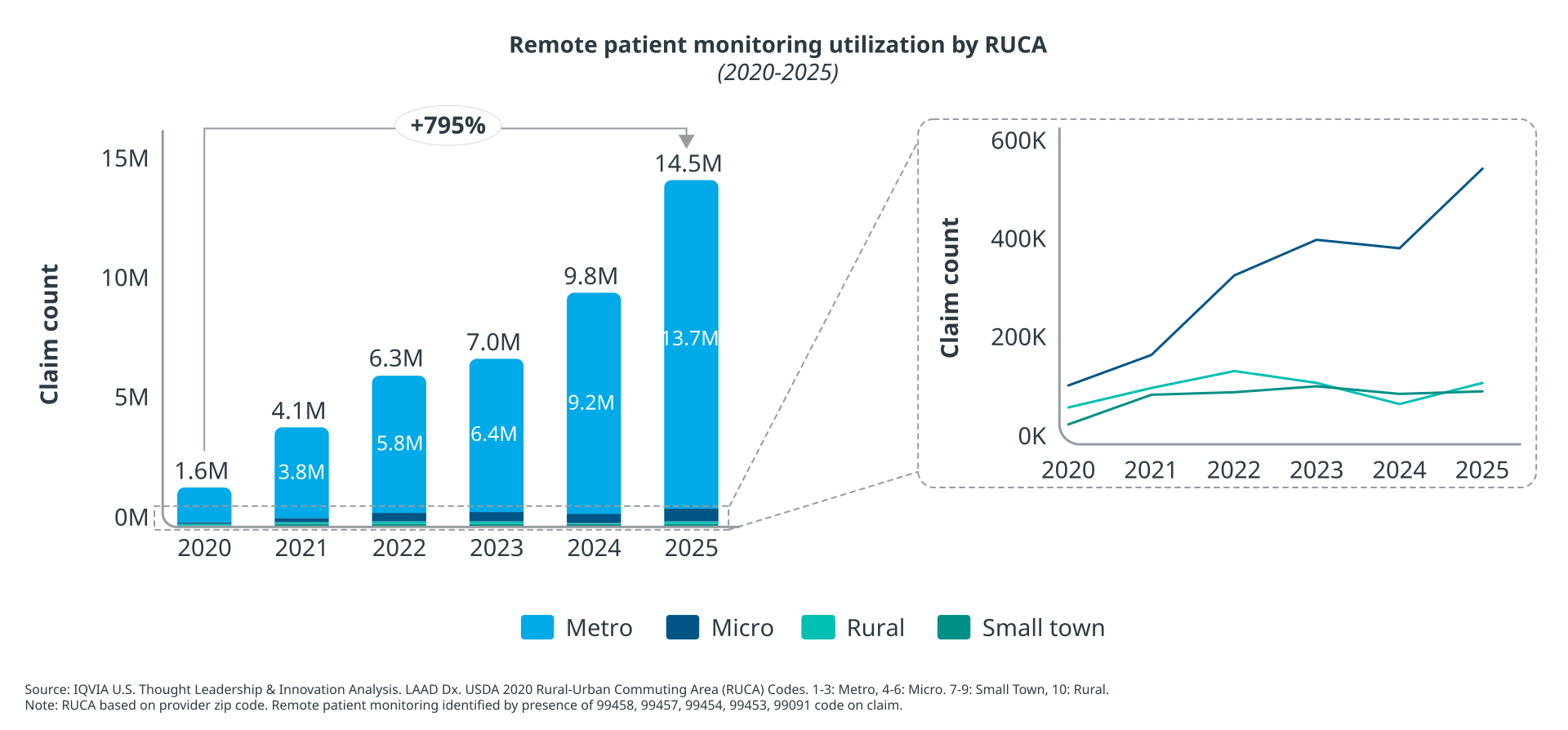
This divergence illustrates a recurring challenge in healthcare innovation. Technologies with the potential to overcome rural access barriers do not automatically reach rural patients. Successful implementation depends on whether practices have the staffing, infrastructure, workflows, reimbursement, training, and technical capacity needed to integrate those technologies into care.
Monitoring adoption by geography is therefore essential. National growth can create the appearance of broad progress while concealing rural and small-town communities who remain largely untouched by innovation. More granular evidence can help identify where adoption is lagging, determine whether the barriers are technological, financial, operational, or workforce-related, and guide interventions that reflect local conditions. This visibility will become even more important as value-based care models increasingly depend on continuous data, coordinated care, and earlier intervention. If rural providers cannot adopt the tools that support those capabilities, the transition could unintentionally widen existing differences in access and quality.
The challenge becomes even more pronounced when a patient needs specialty care. Rural primary care clinicians may recognize a condition, begin treatment, and make an appropriate referral, but the next stage of care is frequently located far outside the community.
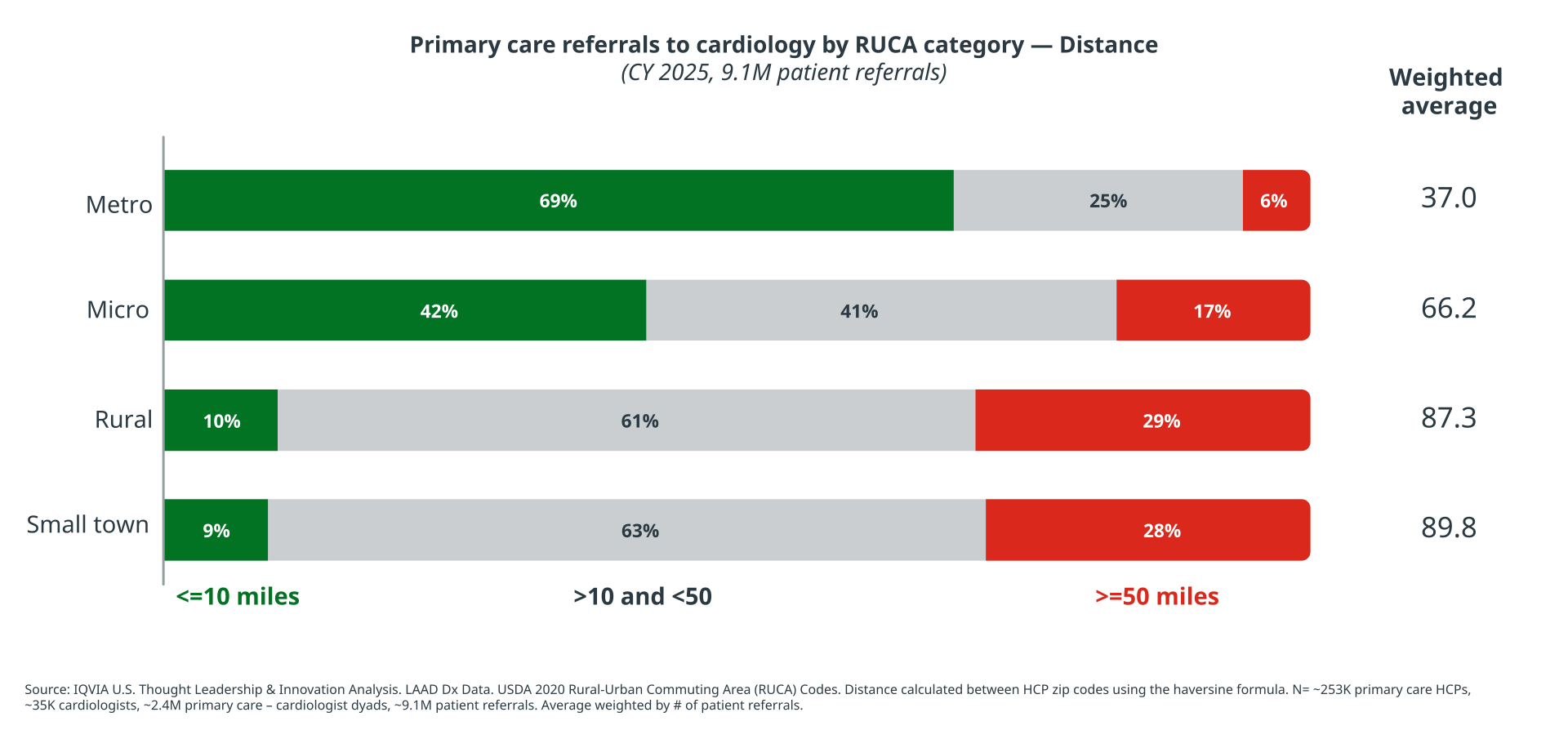
Cardiology referrals demonstrate the scale of this divide. Approximately two-thirds of patients referred from metro primary care settings travel 10 miles or less to the cardiologist who ultimately provides their care. Rural patients experience a fundamentally different journey. Only 10% travel 10 miles or less, while most travel between 10 and 50 miles and nearly 3 in 10 travel more than 50 miles. The weighted average distance rises from 37 miles for metro referrals to 87.3 miles for rural referrals.
An 87-mile average referral distance can translate into a two-hour one-way trip that requires significant planning to accommodate. Depending on the route and local conditions, a long-distance specialty visit becomes a significant burden for patients including time away from work, transportation planning, and coverage for caregiving or other responsibilities. Additional appointments for diagnostic testing, treatment adjustment, or follow-up can multiply that burden. Distance can consequently affect more than convenience. It may influence whether a referral is completed, how quickly a patient is evaluated, and whether follow-up care remains sustainable. The primary care clinician may open the door to specialty treatment, but the patient must still be able to reach it.
Telehealth offers a way to reduce some of the distance inherent to rural care. Virtual encounters can connect patients with providers without requiring every interaction to involve extensive travel, making telehealth an important component of a more flexible rural delivery system.
Yet, telehealth is not independent of physical infrastructure. Analysis of telehealth encounters and broadband usage shows that higher levels of telehealth utilization are concentrated primarily in more urban geographies that have access to stronger broadband. Conversely, rural areas are more heavily represented where broadband usage and telehealth encounter rates remain lower (bottom left quadrant in chart below).
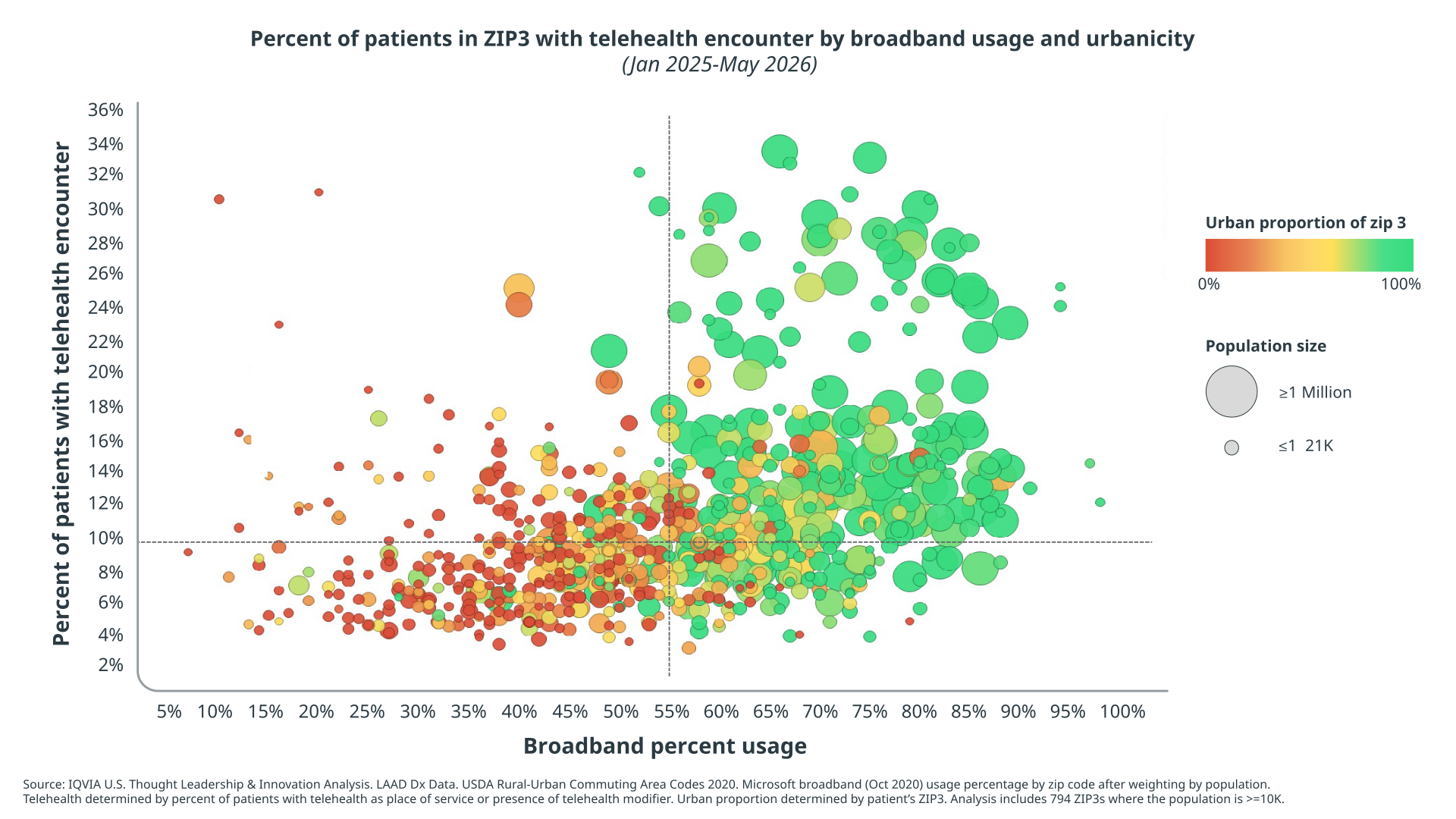
This pattern illustrates why virtual care cannot be treated as a universal solution without accounting for the conditions required to use it. A telehealth service may be available, but access still depends on reliable connectivity and the ability of patients and providers to participate effectively. Infrastructure investment is therefore inseparable from healthcare access. Reliable broadband is necessary for virtual specialty care, remote monitoring, and other emerging models that could reduce the consequences of distance.
When routine or specialty care is delayed, patients may eventually require acute services. At that point, reaching a facility is only part of the challenge. The facility must also have the services, capacity, and clinical workforce needed to respond. The average metro county has nearly nine hospitals, compared with approximately one in the most rural counties, with similar disparities in access to emergency departments and intensive care units. Approximately half of rural counties have no ICU, leaving many patients without local access to critical care when timely treatment matters most.
Facility counts, however, tell only part of the story. Rural hospitals serve populations distributed across broad geographic areas, and nominal availability does not necessarily reflect the capacity available to residents. Examining acute care resources per 100,000 people reveals that staffed beds and affiliated providers all decline as rurality increases. The provider difference is especially notable because physical beds alone cannot deliver care without the workforce required to support them.
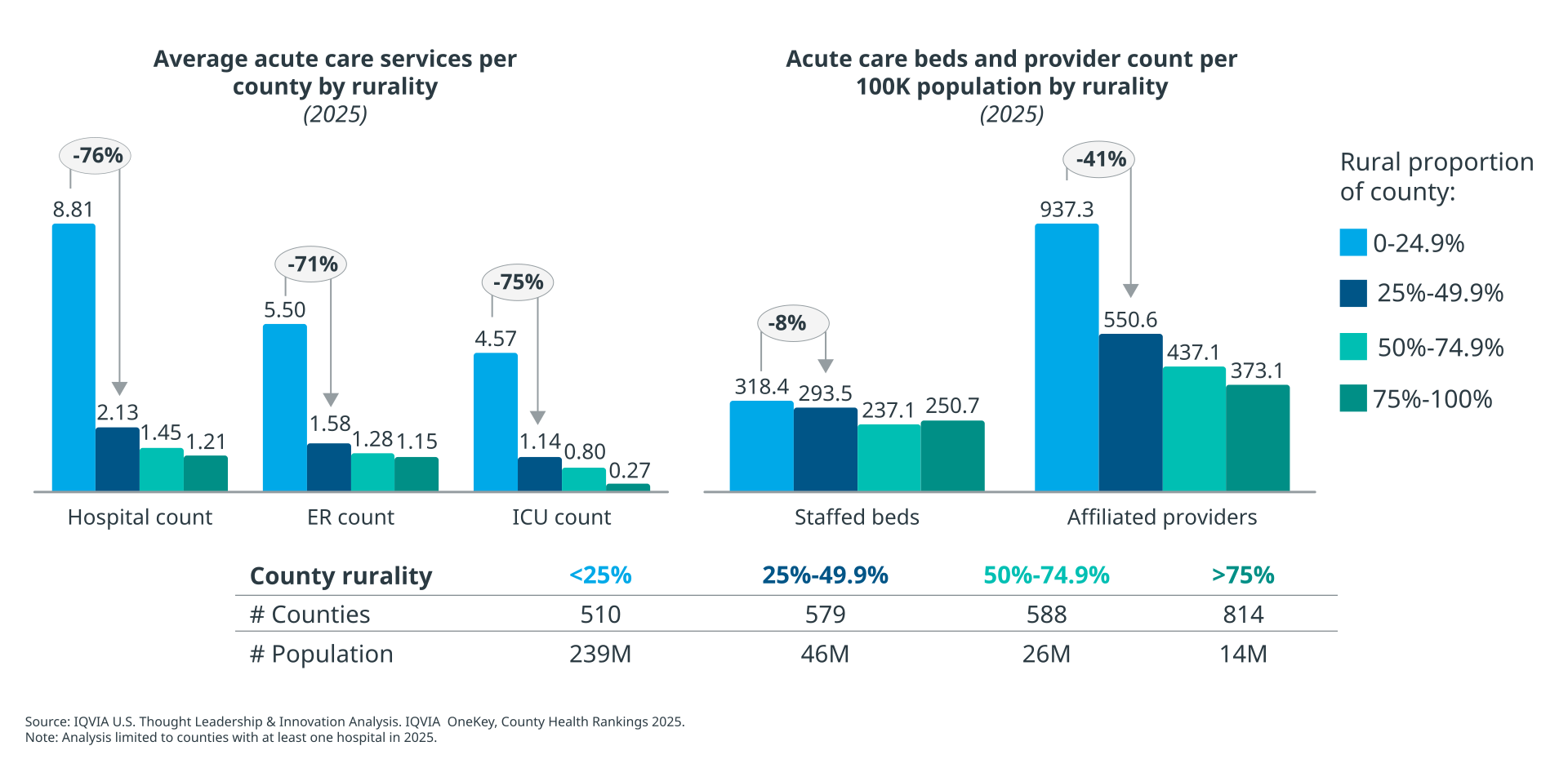
These findings demonstrate the importance of evaluating both presence and capacity. A county may contain a hospital, but that alone does not indicate whether the facility has an ICU, sufficient staffed beds, or enough affiliated clinicians to meet local needs. Measures that account for population and operational resources provide a more realistic view of the care patients can actually receive.
Taken together, patients living in rural geographies do not face an isolated access problem at one point in the healthcare system. They encounter a sequence of constraints. The technologies that could strengthen chronic disease management have not achieved the same uptake in rural areas. Specialty referrals frequently direct patients to providers many miles from the communities in which they receive primary care. Telehealth offers an alternative, but its reach remains closely connected to broadband infrastructure. If a condition progresses to the point of requiring acute or critical care, rural communities have fewer facilities and substantially less capacity.
Each gap increases the importance of the next part of the system functioning well. When remote monitoring is unavailable, timely in-person follow-up becomes more important. When specialty care requires extensive travel, virtual access becomes more valuable. When both outpatient and virtual pathways are difficult to navigate, local acute care capacity becomes even more consequential. This interconnectedness is why rural access should be evaluated across the full patient journey rather than through individual programs or isolated measures.
Public and private initiatives are increasingly recognizing that improving outcomes requires strengthening access across the care continuum. Programs such as the CMS ACCESS (Advancing Chronic Care with Effective, Scalable Solutions) Model seek to enhance care coordination, specialty access, and accountability for underserved populations by supporting providers in delivering more connected care with telehealth, wearables, and digital coaches. As these models evolve, robust real-world evidence will be essential to evaluate whether improvements are reaching rural communities and reducing geographic access challenges.
Real-world data can provide the visibility needed to determine not only where healthcare resources are located, but whether patients can successfully move through the system. Geographic analysis of technology adoption, referral patterns, telehealth utilization, facility capacity, and care delivery can uncover success stories as well as the points where access weakens and helps to distinguish national progress from locally realized improvement.
That distinction will become increasingly important as AI and other advanced technologies promise to reshape healthcare delivery. Innovation alone will not close rural access gaps. Without deliberate implementation strategies, sufficient infrastructure, and measurement by geography, new capabilities may scale most rapidly in areas that already have the greatest capacity to adopt them.
Rural communities should not have to wait for innovation to diffuse gradually from metropolitan health systems. Strategies should assess rural readiness from the beginning, account for the clinicians serving as the local front door to care, and measure whether technologies are reaching areas and patients with the greatest need.
The central question must shift from whether care or technology exists to whether a rural patient can reach it, use it, and remain connected to it across the entire care journey. Answering that question with precision is essential to building a healthcare system strengthened by innovation and in which geography does not determine the practical limits of access.

This blog is part of a series providing evidence-driven insights into the factors shaping health outcomes, access, and quality in rural communities in the U.S. It explores how stakeholders across the healthcare ecosystem, including providers, payers, life sciences companies, and governmental agencies, can advance change to improve rural health. Other blogs in this series will analyze care delivery, patient dynamics, and disease burden along with strategies for sustainable improvement. Follow the series for applied analyses that connect rural landscape metrics, provider and patient dynamics, and therapeutic outcomes to measurable strategies that improve access.
Effectively engage with patients to help improve adherence, drive better disease understanding, and deliver treatment value.
Gain high value access and increase the profitability of your brands