







.svg)











As 2026 dawns, the global healthcare and life science sectors face a year of change. Global policy shifts and breakthrough innovation are reshaping familiar territory, challenging established norms and opening new possibilities. IQVIA’s “Nine for 2026” spotlights our perspectives on some of the most significant new and trend-breaking issues poised to influence prescription medicine markets and global healthcare in 2026 and beyond. In the first blog of our Nine for 2026 series, we set the scene by reflecting on the defining developments of 2025, and dive into the first two macroenvironmental and policy issues that will shape the landscape in 2026.
Setting the stage
2025 was a year of transformation for global healthcare and the pharmaceutical industry:
- Political turbulence has been at the fore in 2025, as dramatic US policy reforms redraw the competitive map and impact far beyond the US, prompting responses from companies and governments across the globe. Where multilateralism once guided globalisation and global health funding, the landscape has fragmented into bilateral deals tied to trade and security, signalling a new era in governance.
- Innovation surged despite policy upheaval. Cardiometabolic innovation has been centre stage, and the obesity landscape continued its exciting evolution. Despite no new obesity launches except in China, we saw strong clinical results, dramatically rising patient demand, and price negotiations in the US which set the stage for the anticipated launch of oral GLP-1 agents in 2026. Importantly, we also saw the introduction of bi-annual HIV treatments, an early signal in a new era of long-acting therapies that enhance patient quality of life.
- Business momentum was equally striking. Since Trump’s inauguration, during 2025, we have seen pharmaceutical giants make announcements pledging over $500 billion to US investment, both within deals and in response to threats of tariffs by the US administration. Whilst in some cases these pledges may simply re-state already planned investment, this long term trend embeds localisation as a key strategy and could fragment the global manufacturing and supply model into regional blocs. M&A activity also rebounded under a more permissive regulatory stance, with deals exceeding $90 billion by October and projections of $130 billion by year-end.
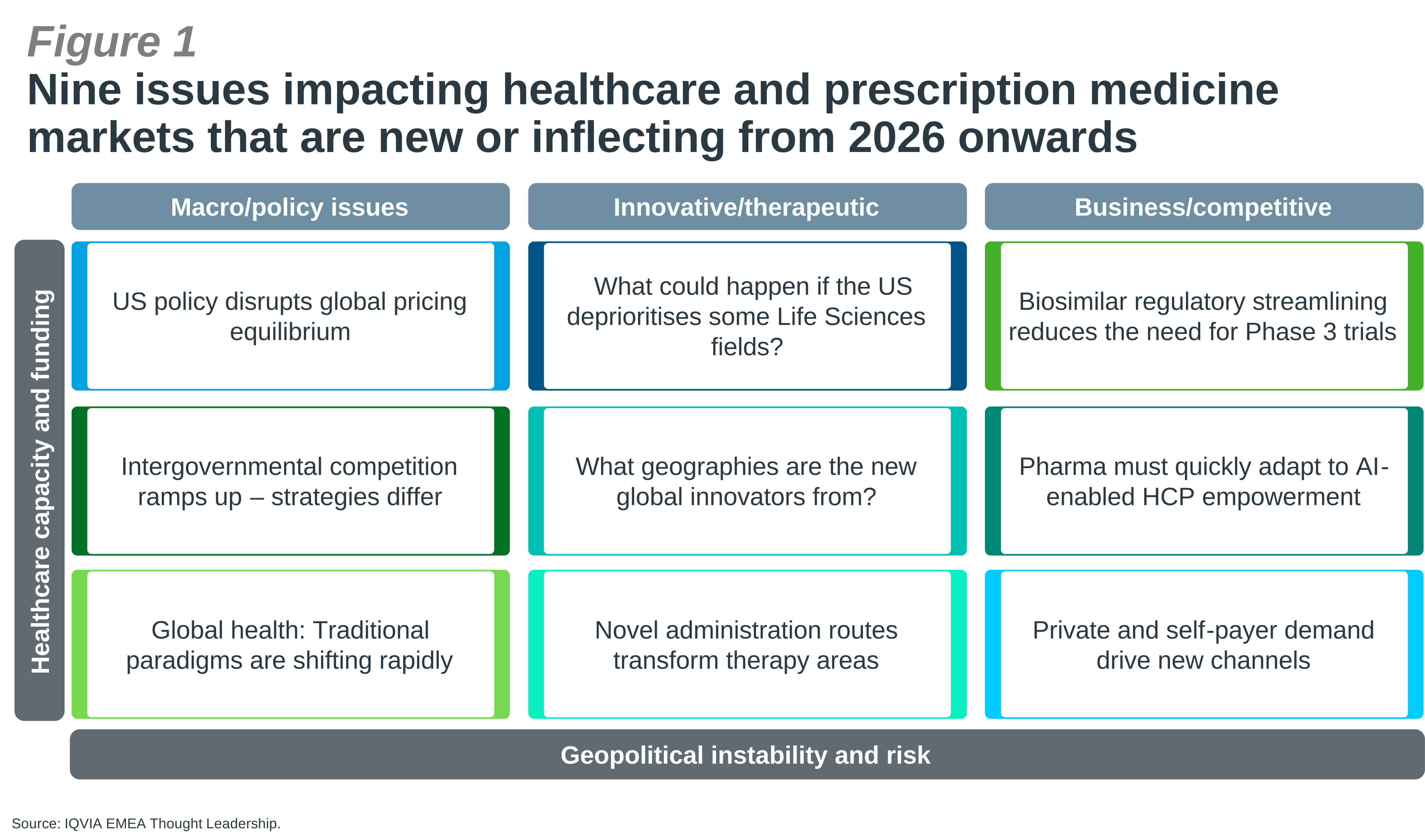
Against this backdrop, nine trend-breaking issues stand out for 2026 (Figure 1), shaped by persistent challenges: capacity constraints, funding pressures, geopolitical instability, and risk. In this blog, we focus on macro and policy forces that will define the global landscape for years to come.
US policy has potential to disrupt global pricing equilibrium
One of the most significant policy challenges the industry will need to grapple with in 2026 is the disruption of global pricing and spend. This is driven by the United States’ exploration of a suite of policies with the goal of lowering innovative medicine prices for US patients and balancing that by seeking increased prices and medicine spend for target countries elsewhere (Figure 2).
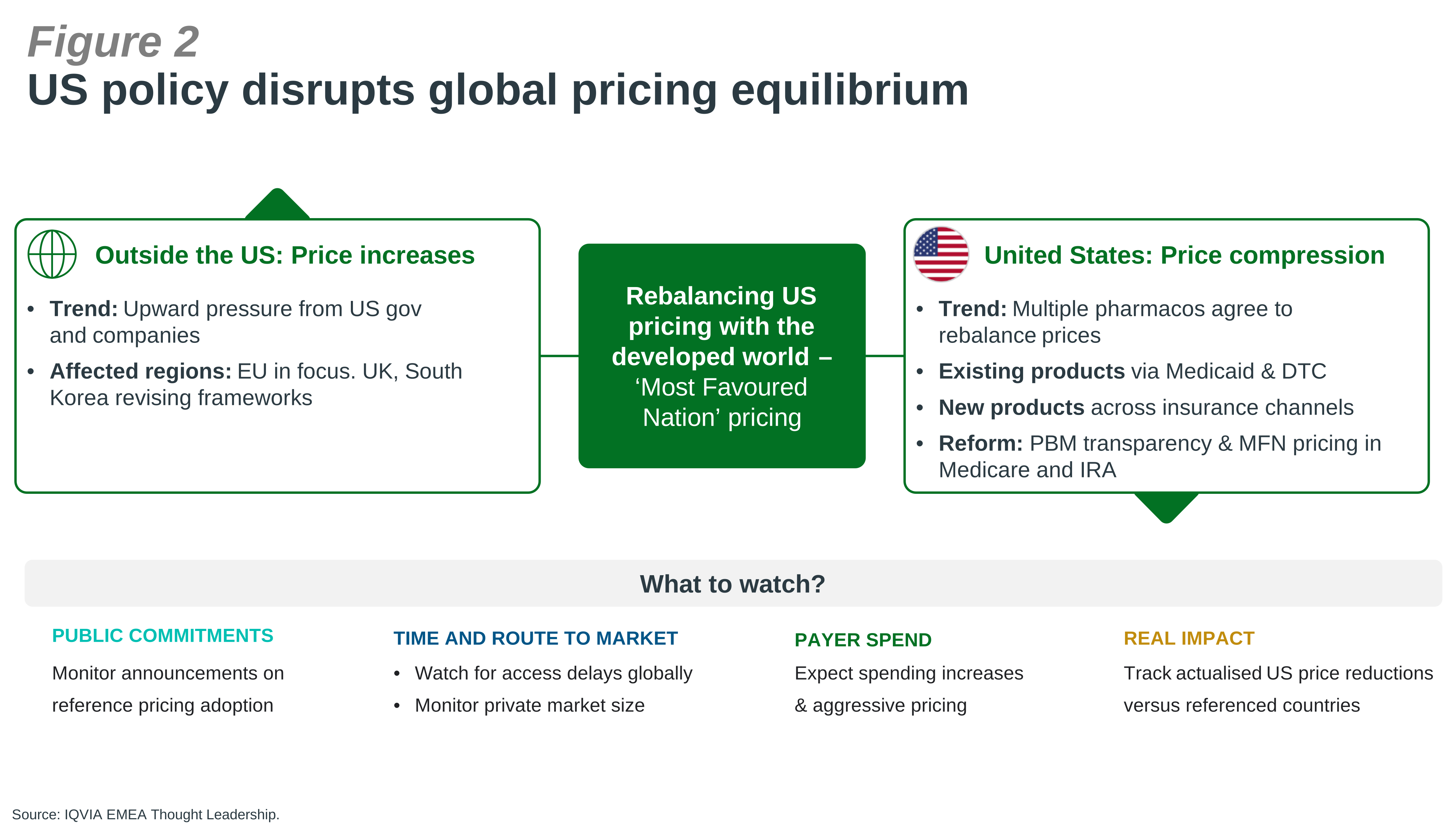
The UK–US trade agreement offers the first major example of how targeted countries might adapt to this new reality. Under the deal, UK pharmaceutical exports to the US will be exempt from tariffs for three years, in exchange for notable policy shifts: raised NICE cost-effectiveness thresholds, and rebate rates within the VPAG (Voluntary Scheme for Branded Medicines Pricing, Access, and Growth) capped at 15% (down from 23%). These changes could enable the NHS to cover an additional three to five medicines annually, while a 10-year roadmap aims to further enhance access to innovative treatments and double UK medicines spend from 0.2% of GDP to 0.6% of GDP. The critical question now is: to what extent will other nations follow suit and agree to pay more?
Pharmaceutical companies have already started implementing measures to align with this evolving global framework. As of early December, five companies have signed agreements with the US administration, including commitments to most favoured nation (MFN) pricing for existing products (via Medicaid and Direct to Consumer sales portals) and new product launches. Substantial uncertainties over the implementation of MFN pricing remain, and figure 2 highlights several factors that will be important to understand its real impact.
Intergovernmental competition ramps up
Global cooperation is increasingly giving way to competitive blocs, as governments recalibrate strategies to secure leadership in life sciences (Figure 3). This shift is redefining incentives, accelerating regulatory reforms, and reshaping investment priorities worldwide.
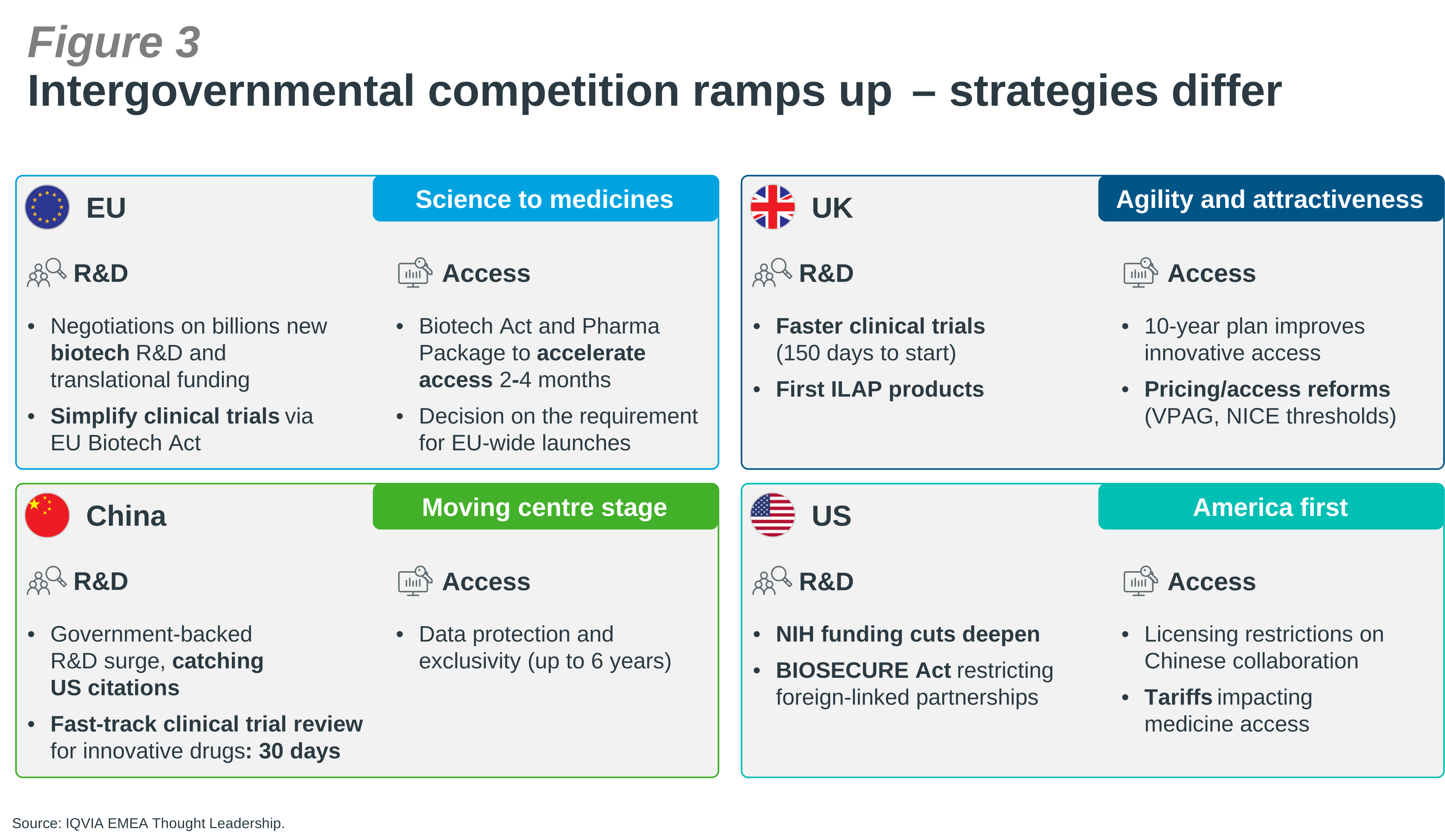
- Europe is focused on translating is leadership in basic sciences to commercial R&D. Billions in new biotech R&D and translational funding are on the table. In addition, the Biotech Act and Pharma Package promise simpler clinical trial processes and cuts to access timelines by several months. Combined, these measures seek to keep Europe competitive and reduce fragmentation.
- The UK is positioning agility as its differentiator. Beyond paying more for innovative medicines, reforms have shortened trial start times (application to first patient) to as little as 150 days, and the Innovative Licensing and Access Pathway (ILAP) pathway is accelerating the journey from lab to patient, strengthening the UK’s appeal for cutting-edge research.
- China is emerging as a central R&D engine for global life sciences. Government-backed R&D is surging, a fast-track review has been introduced allowing certain innovative drug trial applications to proceed if no objections are raised within 30 working days, and extended data exclusivity of up to six years is attracting international partnerships and investment. These moves signal China’s ambition to become a dominant force in life sciences.
- The US is embracing an “America First” stance. The revived proposals for the BIOSECURE Act, and licensing restrictions on foreign-linked partnerships - particularly with China - are restricting global R&D chains. Deepening NIH funding cuts, threatened tariffs, and reduced global health funding underscore a clear pivot toward domestic priorities, with implications for medicine access and international cooperation.
Life sciences is firmly embedded as a central sector in politics, and the contest for dominance is intensifying. For pharmaceutical companies, this is good news and maximising its benefits will depend on navigating a complex patchwork of incentives and restrictions, balancing agility with scale, and adapting operating models for a world where collaboration is reduced.
Closing thoughts
These macro and policy shifts are not just background noise - they represent structural changes that will redefine how pharmaceutical and life science companies operate in 2026 and beyond. From the disruption of global pricing equilibrium to the rise of competitive geopolitical blocs, these forces directly impact market access, pricing strategies, R&D investment, and supply chain resilience. Companies that fail to anticipate and adapt risk losing relevance in an increasingly fragmented and high-stakes environment.
In our next blogs, we’ll explore how innovation and therapeutic breakthroughs will reshape treatment paradigms in 2026, and deep-dive into the business and competitive dynamics that will be most disruptive in the year ahead. For more details, watch our Nine for 2026 webinar on demand here.
Read Nine for 2026: Part 2 here and Nine for 2026: Part 3 here for the full outlook.