






.svg)











Stay ahead with the EMEA Thought Leadership insights: your source for industry-leading expertise and analysis
Blog
The new conversation on weight: what German social media reveals about attitudes to obesity medicines
Feb 06, 2026
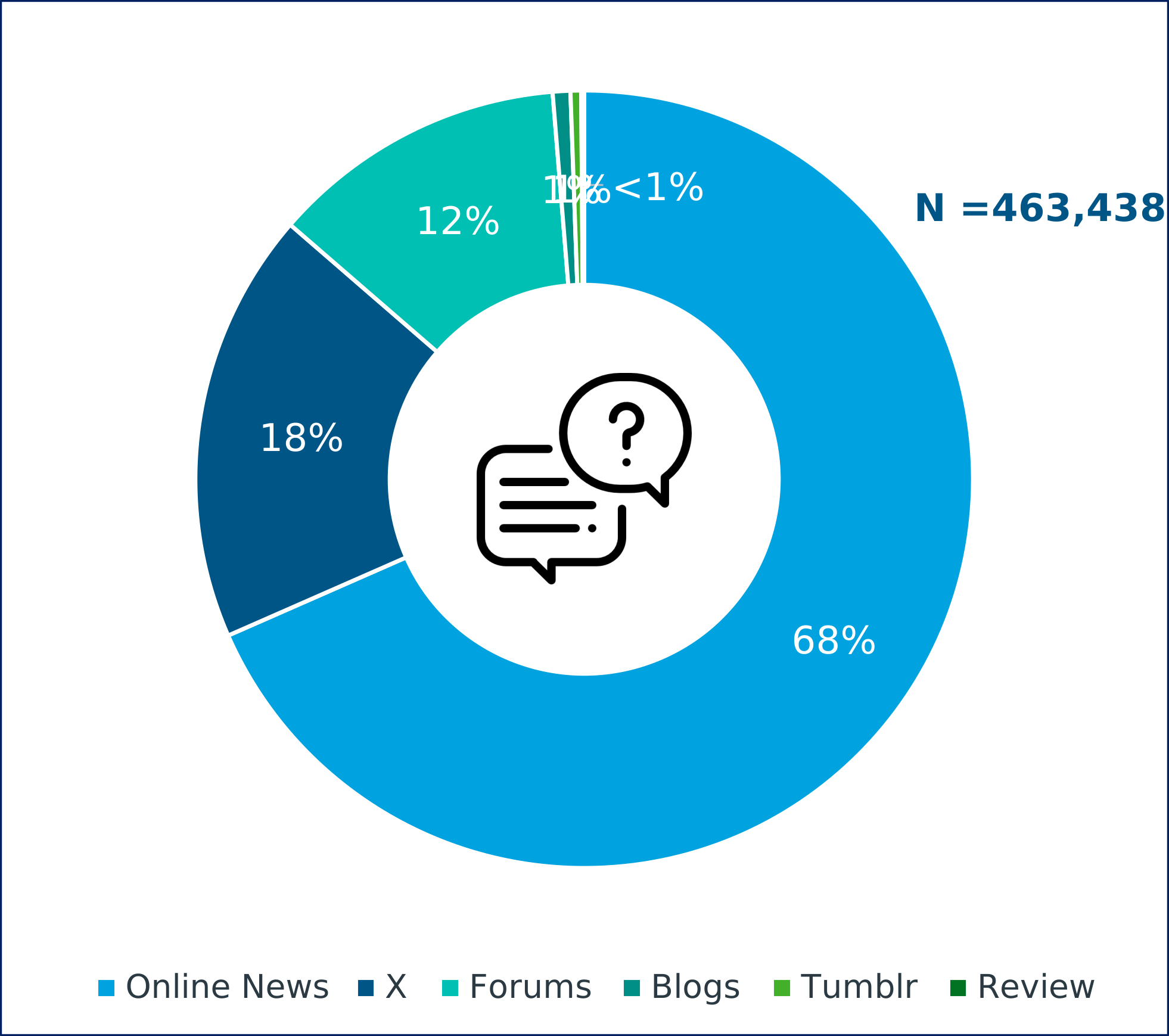
Public discussion of obesity is longstanding, but the rise of GLP 1 medicines has introduced new terminology, broader engagement, and greater urgency. This shift is certainly evident on German social media, which saw more than 463,000 obesity-related mentions between December 2024 and November 2025. With 68%, the largest share of these is accounted for by online news sites, followed by X and various online forums with 18% and 12% respectively.
Figure 1: Social Mentions of Obesity – By Platform (December 2024 – November 2025)
Roughly 11 percent of these mentions focused directly on anti‑obesity medicines, with half of those centred on two brands: Wegovy and Mounjaro.
These conversations, drawn from forums, X (formerly Twitter), blogs, online news sites and reviews, offer something rare in the obesity‑care debate: a spontaneous snapshot of patient sentiment at scale. They reveal expectations about treatment outcomes, emerging patterns of use and discontinuation and the increasingly strategic way patients navigate cost, access and long‑term therapy.
This article summarises the discussions on German social media about obesity medicines, based on a manually analysed sample of 8,217 conversations.
Brand recognition for Ozempic remains high
The German conversation about obesity medicines is dominated by brands that have become cultural shorthand for weight loss. Ozempic, though not approved for obesity in Germany, remains the most frequently mentioned across channels, driven by its visibility in news and global pop‑culture spillover. In online news alone, there were 13,294 mentions of Ozempic, compared with 12,569 for Wegovy, despite Wegovy having been launched in July 2023. Mounjaro scored 5,019 mentions.
Figure 2: Social Mentions of Brands – By Platform (December 2024 – November 2025)
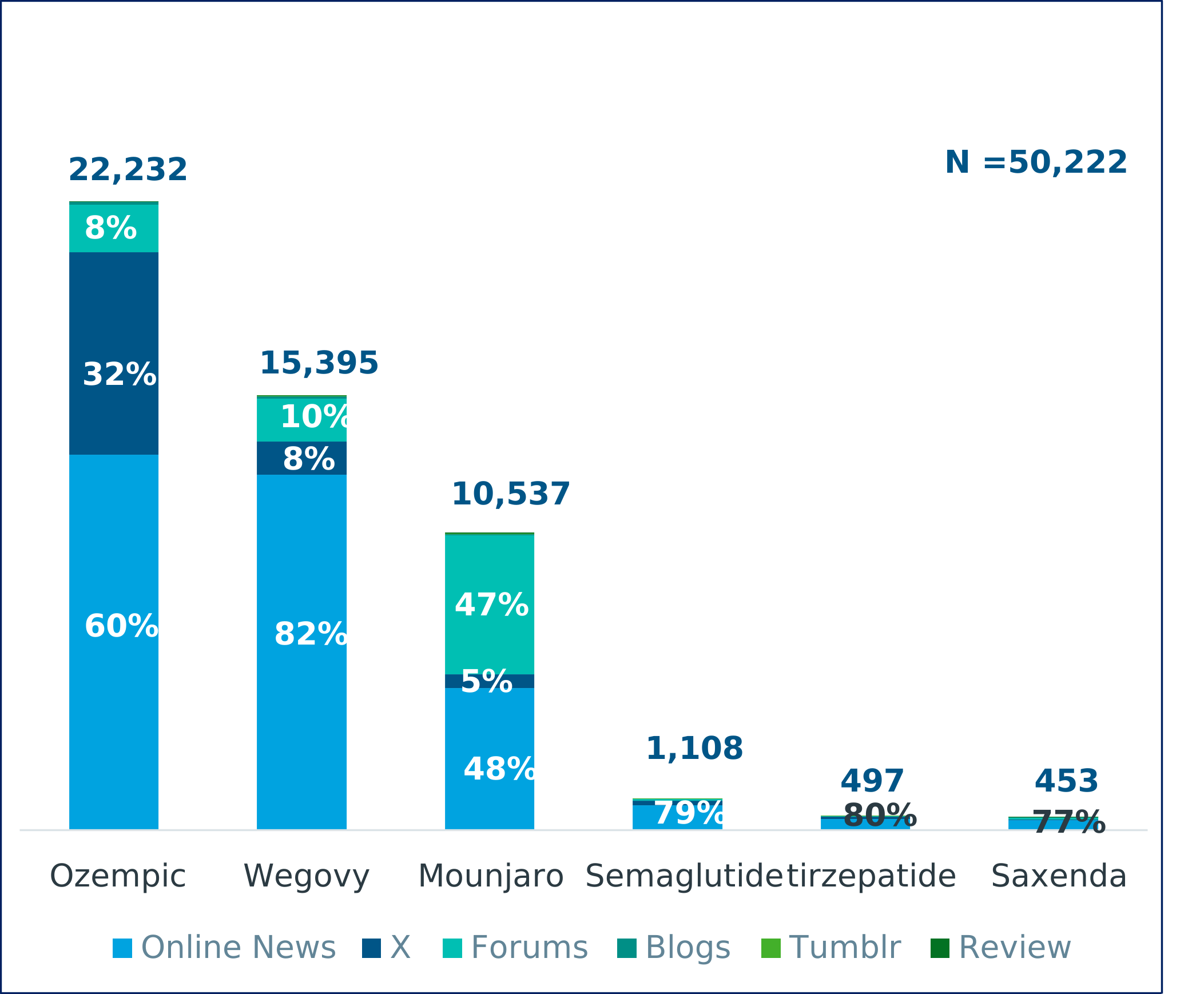
However, patient‑led discussions tell a more nuanced story. Online discussion forums such as Reddit, where individuals exchange practical advice and compare outcomes, show Mounjaro in a prominent position, with 4,917 mentions, surpassing Wegovy and overshadowing Saxenda. It is also noticeable that obesity medications (OM) are almost exclusively discussed under their brand names, with very few mentions of the molecule name.
These differences matter. News channels amplify brand narratives pushed by corporate announcements or clinical trial readouts, such as the spike in mentions following results showing Wegovy’s impact on cardiovascular risk. By contrast, forums and X capture the everyday realities that increasingly influence therapy uptake and discontinuation.
What patients say about their experience
Across the sample, patients focus heavily on the practical aspects of weight loss and their day‑to‑day treatment experience. Efficacy is the predominant theme, reflected in concrete accounts of kilograms lost, periods of plateau, and reduced appetite.
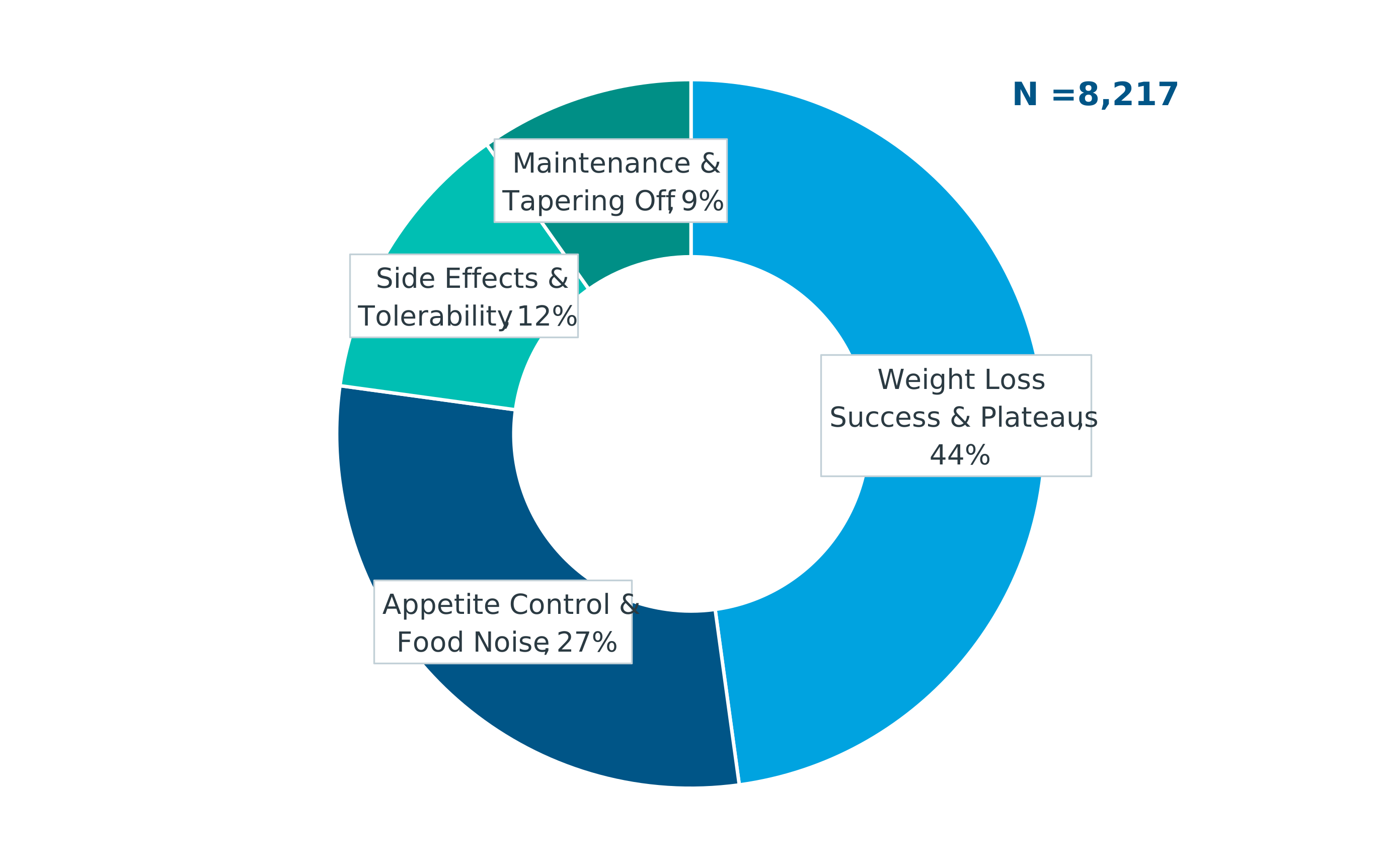
Figure 3: Topics of patient discussions
Weight loss success and plateaus
About 44 percent of patient‑generated insights relate to weight loss achievements. Patients discussed measurable outcomes, focusing on rapid weight loss approaches, weight percentage reductions, and strategies for sustaining results. They frequently reported timelines, before and after comparisons, and progress updates, while also noting the common challenge hitting a weight-loss plateau after 12–15 months.
Appetite control and the disappearance of ‘food noise’
Another 27 percent of conversation centres on appetite control and practical aspects such as meal plans and workout regimes. The disappearance of “food noise”, the constant mental chatter about food, is a welcome turning point for many.
Side effects and tolerability
Not all experiences are positive. 12 percent of discussions focus on gastrointestinal discomfort, nausea and constipation. Patients compare remedies, adjust doses and trade practical tips on maintaining efficacy while reducing discomfort. Their exchanges highlight an implicit calculation: short‑term discomfort weighed against long‑term weight‑loss benefits.
Maintenance, tapering and the risk of regain
Concerns about what happens after reaching a target weight account for 9 percent of conversations. Patients actively plan maintenance dosing, often experimenting with tapering schedules or settling on “comfortable” low doses that maintain weight stability. The fear of weight regain is a recurring theme; many report that hunger and cravings return rapidly when doses fall.
Emotional and behavioural changes
8 percent of conversations reflected on improvements in emotional well‑being, lifestyle adjustments, and mental health following the initiation of OM therapy. They also discussed a holistic approach to obesity management, integrating pharmacological treatment with behavioural strategies to support sustainable health outcomes.
Discontinuation: when therapy becomes unsustainable
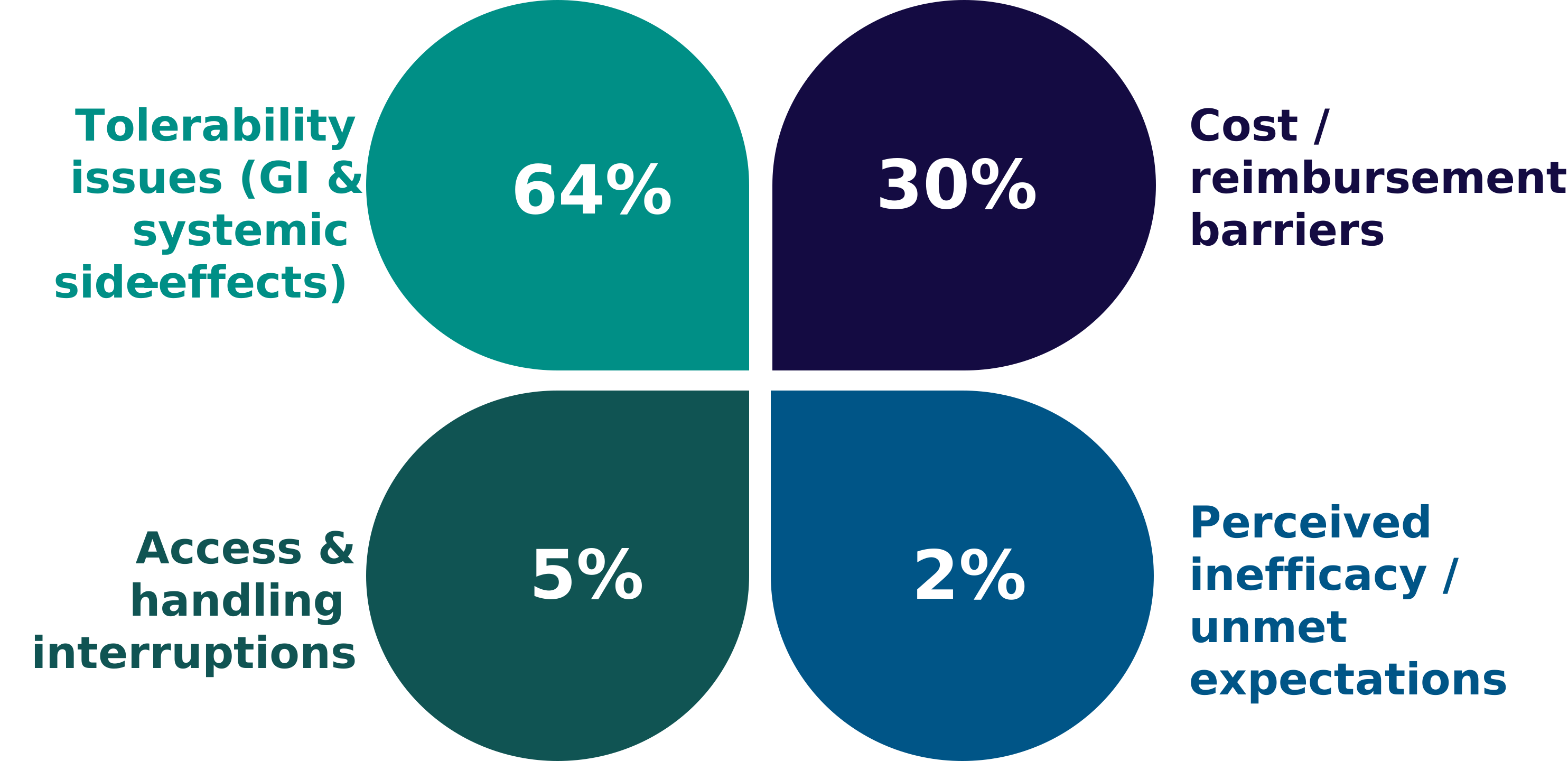
Discussions about discontinuation cluster around four themes:
- Tolerability issues (64 percent): Symptoms such as nausea, bloating and fatigue often precipitate dose interruption or full cessation.
- Cost barriers (30 percent): With out‑of‑pocket expenses of €100 to €400 per month, affordability remains a major impediment to continuity although based on the volume of conversations, it is far less of a concern than tolerability.
- Access issues (5 percent): German patients report difficulties with product handling, including the problem of accidental freezing, which renders injectable medicines unusable.
- Unmet expectations (2 percent): Patients who see slower‑than‑expected results or perceive better outcomes with alternative products often discontinue or switch treatments.
Figure 4: Discussions around therapy discontinuation
The economics of adherence: cost as a pivotal variable
Germany’s statutory health insurance scheme does not reimburse GLP‑1 medicines for obesity. As a result, 42 percent of cost‑related conversations revolve around the burden of self‑pay, with patients expressing frustration over the cost of therapy and exploring saving strategies such as dose splitting.
Insurance dynamics and potential future reimbursement are also discussed. Some private insurers reimburse therapy, albeit temporarily and requiring evidence of concurrent dietary and exercise behaviours for continued coverage. This conditional coverage creates uncertainty that patients must navigate mid‑therapy.
Life after weight loss: the future patients imagine
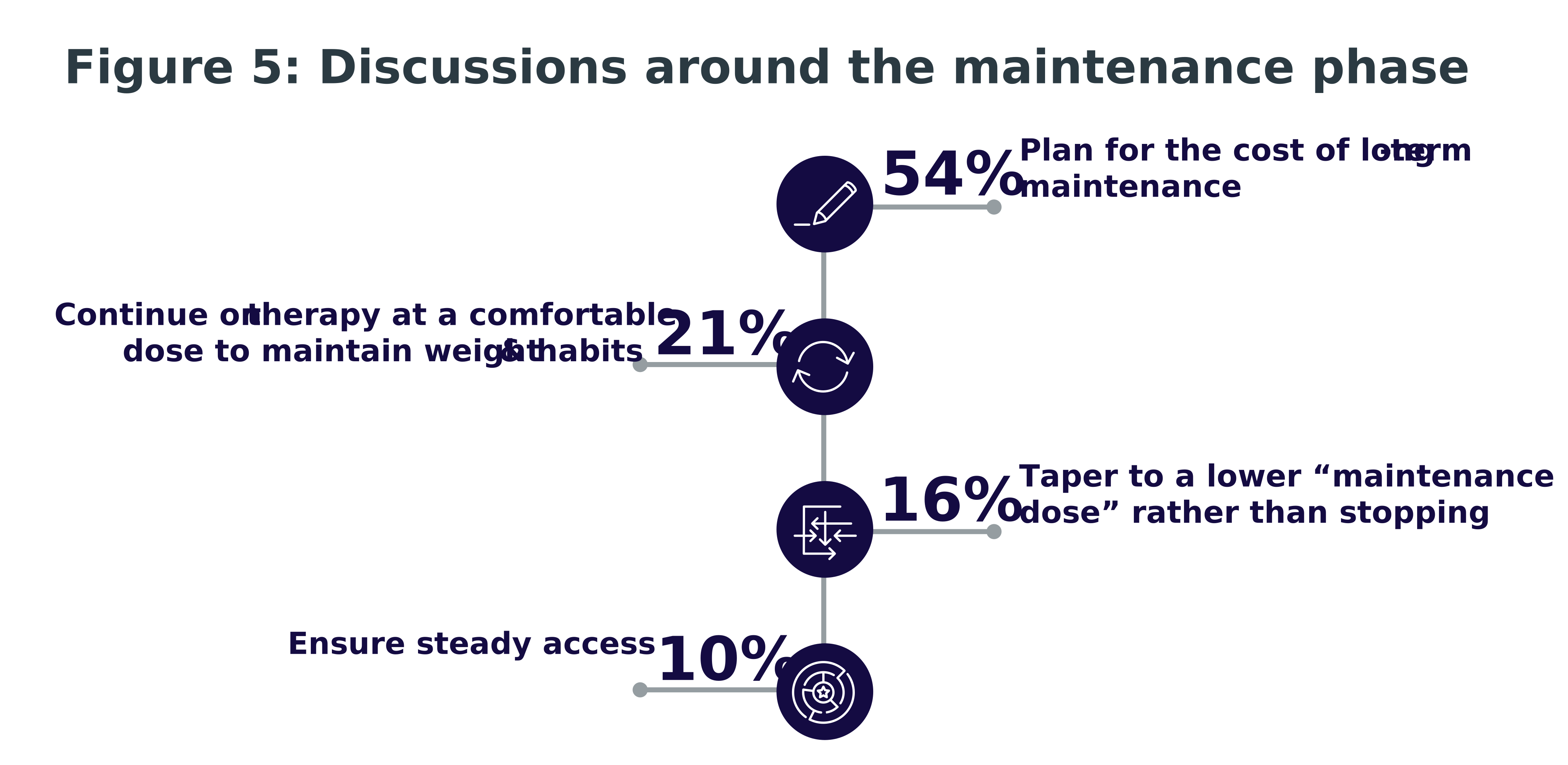
Reaching a target weight is not the end of the story. Instead, many patients’ understanding has evolved to view obesity as a chronic condition requiring long‑term management. This is apparent in conversations about:
- Maintenance therapy: More than half of the 1,844 maintenance‑related data points show patients expecting to remain on low doses indefinitely.
- Cost planning: Patients exchange budgeting strategies, signalling a shift from short‑term “weight loss phase” mindsets to sustained disease‑management expectations.
- Long‑term safety concerns: Questions about effects after five years or longer persist, revealing a knowledge gap that patients attempt to fill with peer‑sourced anecdotes.
- Acceptance of lifelong therapy: A notable minority explicitly equate GLP‑1 maintenance to insulin therapy for diabetes.
Figure 5: Discussions around the maintenance phase
The enduring fear across all groups is weight regain. Even enthusiastic responders worry that stopping therapy without behavioural scaffolding will undo their progress.
What German social media tells us about the future of obesity care
Three insights stand out:
- First, patients increasingly behave as informed therapeutic consumers. They compare efficacy, negotiate costs and share long‑term management strategies with fluency once found only in clinical settings.
- Second, social media has become a parallel infrastructure for obesity care, filling gaps in counselling, reassurance and real‑world tips.
- Third, the chronic‑care paradigm is becoming mainstream among patients more quickly than among payers. Patients expect lifelong treatment, yet affordability lags behind expectation.
In the coming years, pharma, payers, and policymakers may find that crucial discussions about obesity treatments are unfolding publicly across online platforms where patients are shaping the future of obesity care.
This means that pharmaceutical companies need to ensure social media listening is built into their strategy and market insight at a country level - patient conversations about their obesity treatment are a candid, real time insight into the concerns of patients as decision makers, something which will become even more important for the future entrants into the German obesity market as they will introduce more choice for patients. Use social media listening to understand the current baseline environment early, and to inform in-depth primary research.
Once an obesity medicine is in the market, social media listening is an important leading-edge tracker for brand perception, competitive insights, and unmet patient needs. In a patient-led market which is about to become crowded, understanding the latter is particularly important since a targeted patient support strategy will become a crucial differentiator in establishing and maintaining brand loyalty.
For healthcare providers and policy makers, social media listening is also an important insight into a critical intersect between public discourse and public health.