








KNOWLEDGE HUB

Tackling Obesity​

Obesity is a pervasive global health challenge transcending borders and impacting millions with profound consequences to their well-being and quality of life.

IQVIA collaborates with policymakers, health systems, payers, life science companies, and researchers to uncover critical insights and deliver end‑to‑end solutions. 

2026: The year of acceleration

Discover how obesity care is accelerating in 2026 through breakthroughs in science, policy, and global health trends

What's next in obesity: Paving the way to 2030

Competition, access, and differentiation at scale to plan for through 2030

Turn obesity insights into action
Evidence‑based decisions, measurable results.

On-demand webinar

Global advancements in obesity treatment and the need for a preventative approach

Join our expert-led webinar hosted on IQVIA HCP Space. This is IQVIA’s dedicated platform for healthcare professionals and is an exclusive webinar for HCPs.
Discover the latest in GLP-1 therapies, bariatric procedures, and global prescribing trends with speakers Prof. Barbara McGowan and Sarah Rickwood.

Impact of Obesity on Cardiovascular, Kidney, and Metabolic Health – Implementing Access to Obesity Medications in Practice

Join our expert-led webinar hosted on IQVIA HCP Space. This is IQVIA’s dedicated platform for healthcare professionals and is an exclusive webinar for HCPs. This webinar features Prof. Naveed Sattar and Sarah Rickwood, exploring how obesity and its treatment impact cardiovascular, kidney, and metabolic (CKM) health - and practical strategies for implementing obesity medications in real-world practice.

Obesity FAQs

Key questions about a pervasive challenge

Obesity is projected to impact two-thirds of the world's population by 2035, creating significant health and economic burden. To tackle obesity as a global health challenge it is essential to drive strategies focused on equitable access, data-driven care models and tailored approaches for low- and middle-income countries. Read more about obesity care in low-and middle-income countries here

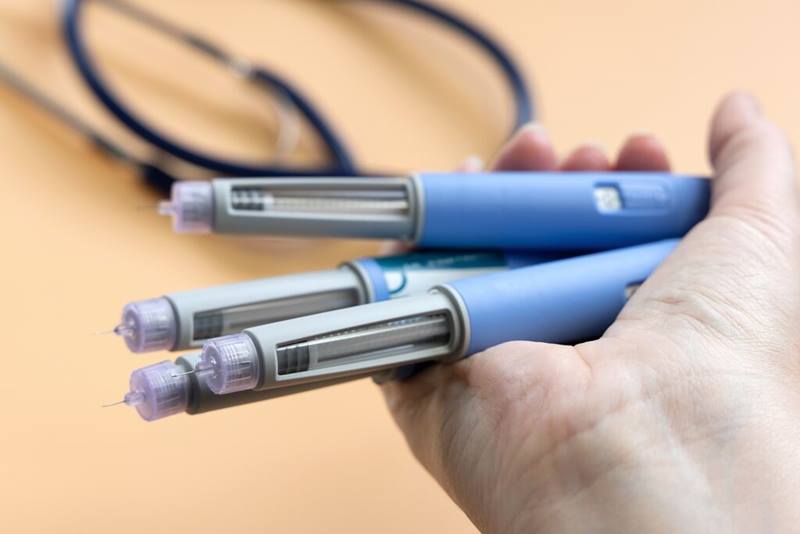
Innovative drugs like GLP-1 receptor agonists deliver significant weight loss and cardiometabolic benefits, reshaping treatment standards. Beyond weight reduction, obesity medications are being explored for additional indications such as cardio-vascular risk reduction, chronic kidney disease, metabolic dysfunction-associated steatohepatitis (MASH) and dementia. Read about obesity medications beyond weight loss here.

Real-world evidence is vital to shaping obesity care, helping policy makers and healthcare providers balance the health and economic benefits of health system investment in new obesity medications with limited budgets and competing priorities. Collecting real-world data and building registries supports smarter planning for future treatment strategies. Read about RWE here.

The future obesity landscape will be driven by next generation incretin based therapies, expanding from GLP1 agonists into dual and triple agonist mechanisms that produce significantly greater weight loss outcomes compared with previous medicines. Industry pipelines now feature over 193 obesity drug candidates at various clinical stages, signalling a wave of therapies that will redefine obesity care over the next several decades.

Obesity is a rapidly expanding global epidemic affecting more than a billion people. Its rise increases demand for effective innovative obesity treatments, including injectables and oral metabolic medicines. Because obesity drives conditions like type 2 diabetes, cardiovascular disease, liver disease, and certain cancers, pharmaceutical organisations view obesity therapeutics as a high impact domain for improving population health outcomes.

New frameworks - like the 2025 Lancet Diabetes & Endocrinology Commission - are shifting obesity diagnosis away from BMI alone toward a model that incorporates waist to height ratios, organ function markers, and metabolic indicators. This evolution will impact clinical trial design, regulatory pathways, and treatment eligibility criteria in the coming years.

Contact Us